Kuinka Saasteet Vaikuttavat Ihoosi
Ympäristön saasteet ovat näkymätön uhka, joka vaikuttaa ihon terveyteen paljon syvemmin kuin useimmat ihmiset ymmärtävät. Ilmassa olevat hiukkaset, otsoni, typpidioksidi, polyaromaattiset hiilivedyt ja haihtuvat orgaaniset yhdisteet hyökkäävät ihoa vastaan päivittäin, erityisesti kaupunkiympäristöissä. Nämä saasteet ovat tarpeeksi pieniä tunkeutumaan huokosiin ja jopa ohittamaan sarveiskerroksen kokonaan, päästen elävien solujen syvempiin kerroksiin epidermiksen.
Kun ne pääsevät ihon sisään, ne laukaisevat vapaita radikaaleja — epävakaita molekyylejä, jotka vahingoittavat solurakenteita, DNA:ta, proteiineja ja lipidejä oksidatiivisen stressin prosessin kautta. Tämä oksidatiivinen vaurio nopeuttaa kaikkia ihon ikääntymisen merkkejä: kollageenin hajoamista, kimmoisuuden menetystä, ryppyjen muodostumista, hyperpigmentaatiota ja epätasaista rakennetta. Tutkimukset ovat johdonmukaisesti yhdistäneet ilman saasteiden altistuksen lisääntyneisiin ikäpilkkujen määriin, erityisesti poskilla ja otsassa, joissa hiukkaset asettuvat raskaammin.
Tutkimukset, jotka vertaavat saastuneissa kaupunkiympäristöissä eläviä väestöjä puhtaammissa ympäristöissä eläviin, osoittavat mitattavasti nopeampaa ihon ikääntymistä kaupunkilaisilla, vaikka auringon altistusta olisi kontrolloitu. Saasteet heikentävät myös ihon estettä kuluttamalla sen luonnollisia antioksidanttireserviä ja häiritsemällä lipidikerrosta, joka säilyttää kosteutta ja pitää ärsyttäjät loitolla. Tulos on lisääntyneen herkkyyden, kroonisen matalan asteen tulehduksen, kuivumisen ja nopeutuneen ikääntymisen kierre.
Teolliset kemikaalit, tupakansavu (mukaan lukien passiivinen altistus) ja liikenteen pakokaasut kaikki vaikuttavat. Jopa sisäilman laatu on tärkeä — ruoanlaiton höyryt, puhdistusaineet ja huonekaluista ja rakennusmateriaaleista peräisin olevat haihtuvat orgaaniset yhdisteet lisäävät kumulatiivista kuormitusta. Ymmärtäminen, että saastevaurio on jatkuvaa ja näkymätöntä, on ensimmäinen askel puolustusstrategian rakentamisessa.
Antioksidanttinen Puolustus: Ensimmäinen Suojasi
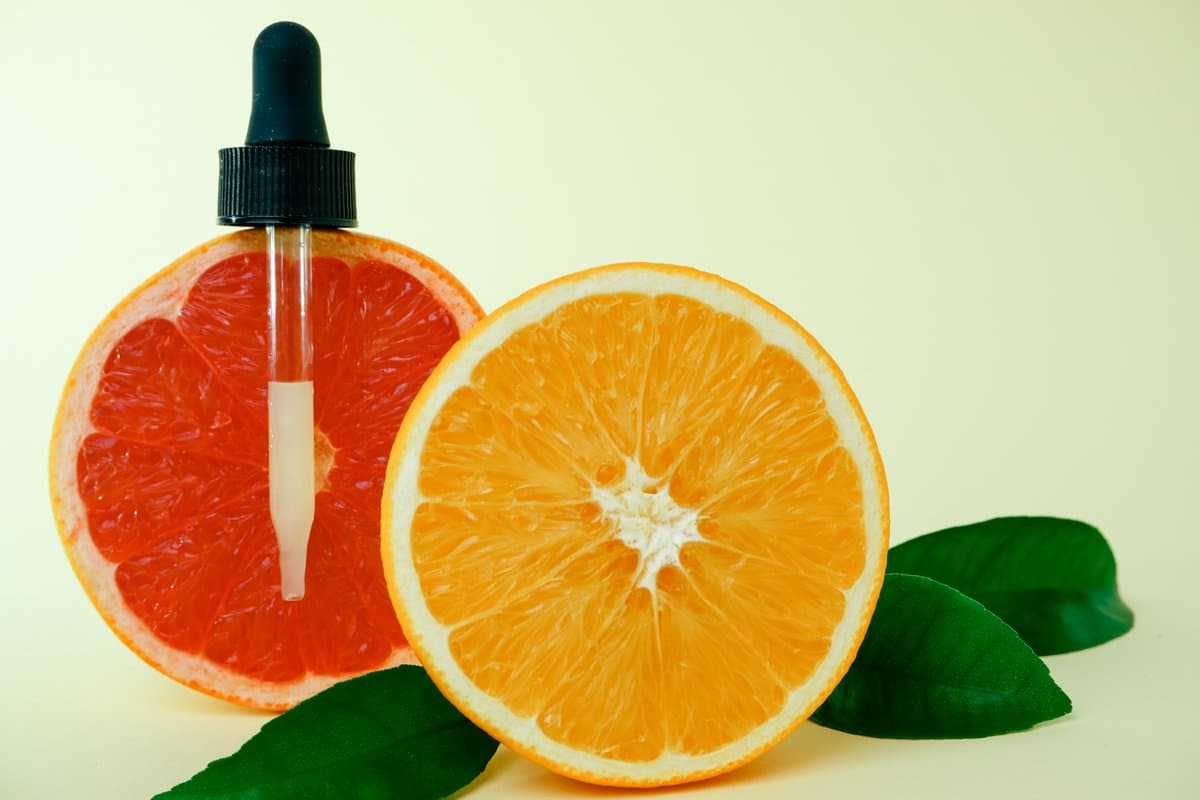
Antioksidantit ovat molekyylejä, jotka neutraloivat vapaita radikaaleja ennen kuin ne voivat vahingoittaa solurakenteita, mikä tekee niistä tärkeimmän ainesosaluokan saasteista johtuvan ihovaurion torjumiseksi. C-vitamiini (L-askorbiinihappo) 10-20 prosentin pitoisuuksilla on laajimmin tutkittu paikallisesti käytettävä antioksidantti, ja tutkimukset osoittavat, että se vähentää oksidatiivista vauriota UV- ja saastealtistuksen seurauksena jopa 50 prosentilla, kun sitä levitetään ennen ympäristöaltistusta.!! Maksimaalisen hyödyn saavuttamiseksi levitä C-vitamiini seerumia joka aamu puhdistuksen jälkeen ja ennen aurinkosuojaa.
Se parantaa aurinkosuojan fotoprotektiivista vaikutusta samalla kun se tarjoaa suoraa vapaita radikaaleja torjuvaa vaikutusta. E-vitamiini (tokotrienoli) toimii synergisesti C-vitamiinin kanssa — yhdessä ne tarjoavat suurempaa suojaa kuin kumpikaan ainesosa yksinään. Monet hyvin muotoillut antioksidanttiseerumit sisältävät molemmat.
Niatsiinamidi suojaa saastevaurioilta samalla kun se vahvistaa ihon estettä, vähentää kosteuden menetystä ja rauhoittaa tulehdusta. Feruliinihappo stabiloi C- ja E-vitamiineja ja kaksinkertaistaa niiden fotoprotektiivisen kapasiteetin. Resveratroli, polyfenoli, jota löytyy viinirypäleiden kuoresta, on osoittanut voimakkaita antioksidanttisia ja tulehdusta ehkäiseviä ominaisuuksia paikallisessa käytössä.
Vihreä tee -uute (EGCG) on toinen tehokas antioksidantti, joka vähentää UV- ja saasteista johtuvaa oksidatiivista stressiä. Astaksantiini, mikrolevistä peräisin oleva karotenoidi, on nousemassa yhdeksi voimakkaimmista antioksidanteista, joita on testattu ihonhoidossa, ja jotkut tutkimukset viittaavat siihen, että se on useita satoja kertoja tehokkaampi kuin E-vitamiini yksinkertaisen hapen sammuttamisessa. Avainperiaate on, että antioksidanttinen suoja toimii parhaiten, kun se levitetään ennaltaehkäisevästi — ennen altistumista — eikä reaktiivisesti.
Ajattele aamun antioksidanttiseerumia näkymättömänä haarniskana, jonka ihoasi käyttää taistelussa joka päivä. Tutustu lisää parhaista ainesosista hehkuvalle iholle.
Puhdistus Kaupunkilaisille
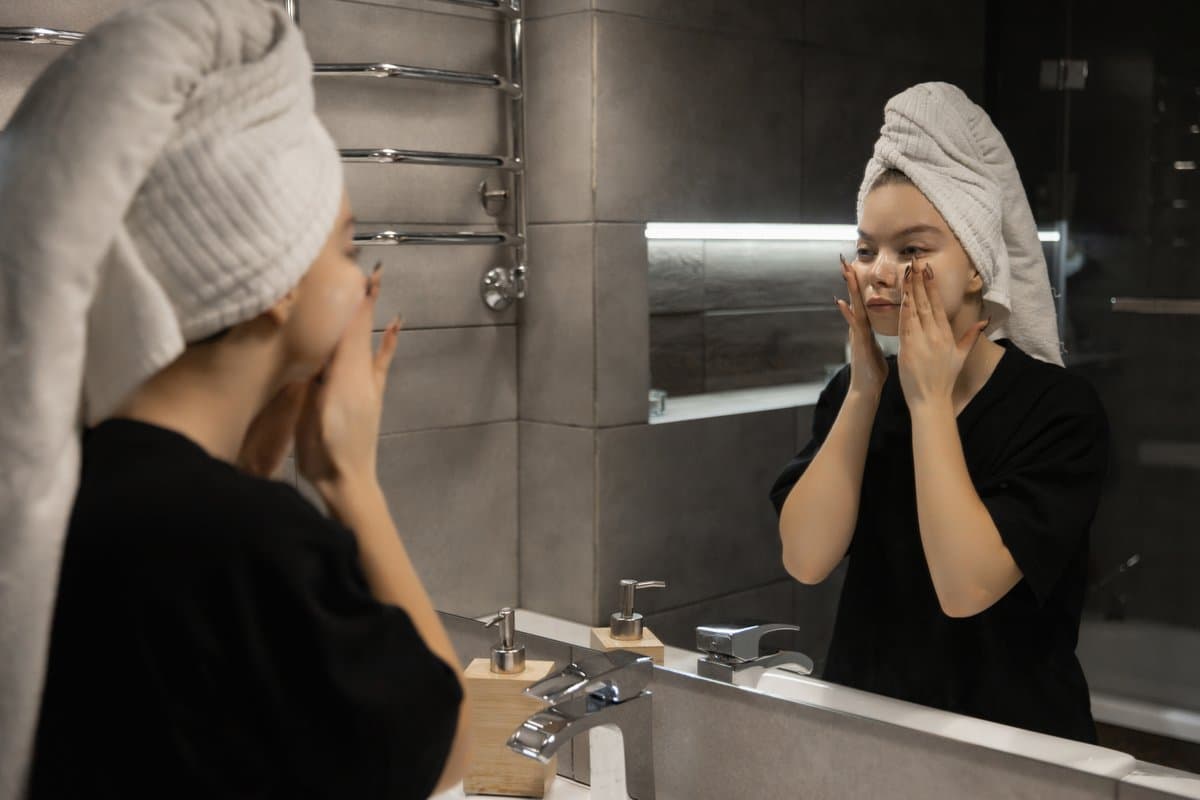
Huolellinen mutta hellävarainen puhdistus on kriittistä kaikille, jotka elävät saastuneessa ympäristössä. Päivän aikana hiukkaset, raskasmetallit ja orgaaniset yhdisteet kerääntyvät ihon pinnalle ja huokosiin. Jos niitä ei poisteta tehokkaasti, nämä saasteet jatkavat vapaita radikaaleja yön aikana, pahentaen vaurioita aikana, jolloin ihon pitäisi korjata itseään.
Kaksoispuhdistus — kaksivaiheinen prosessi, joka on peräisin Itä-Aasian ihonhoidosta — on erityisen hyvin soveltuva tähän haasteeseen. Ensimmäinen puhdistus käyttää öljypohjaista tai balsamipuhdistajaa, joka liuottaa öljyyn liukenevat saasteet, aurinkosuojan ja talin ihon pinnalta. Öljypohjaiset puhdistajat ovat tehokkaampia hiukkasten ja polyaromaattisten hiilivetyjen poistamisessa kuin pelkät vesipohjaiset puhdistajat, koska monet saasteet ovat lipofiilisiä ja sitoutuvat öljyihin eivätkä veteen.!!
Toinen puhdistus käyttää hellävaraista vesipohjaista puhdistajaa, joka poistaa mahdolliset jäljelle jääneet jäämät ja varmistaa, että huokoset ovat puhtaat. Valitse toinen puhdistaja, jonka pH on 4,5-6,5, jotta happoeste säilyy, ja vältä vaahtoavia koostumuksia, jotka sisältävät natriumlauryylisulfaattia, joka riistää juuri niitä esteen lipidejä, joita yrität suojata. Ihmisille, jotka kokevat kaksoispuhdistuksen liian kuivattavaksi tai aikaa vieväksi, micellarivesi tarjoaa yksivaiheisen vaihtoehdon, joka tehokkaasti vangitsee pinnalliset saasteet pinta-aktiivisten micellien kautta.
Kuitenkin micellarivesi yksinään saattaa olla riittämätöntä raskaasti meikkaaville tai niille, jotka altistuvat voimakkaalle liikenteen saasteelle. Puhdistuksen jälkeen levitä iltahoitosi ja kosteusvoide nopeasti — puhdas iho menettää kosteutta nopeasti, ja puhdistuksen jälkeinen aika on optimaalinen tuotteen imeytymiselle. Kerran tai kaksi viikossa harkitse savinaamion käyttöä, joka sisältää kaoliinia tai bentoniittia, jotka sitovat saasteita huokosista ja tarjoavat syvemmän puhdistuksen ilman fyysisten kuorintojen aiheuttamaa ärsytystä.
Esteettinen suoja ja sinisen valon vaurio
Vahva, ehjä ihon este on tehokkain passiivinen puolustus ympäristön hyökkäyksiä vastaan. Este — joka koostuu keratinisoituneista soluista, jotka on upotettu ceramideista, kolesterolista ja rasvahapoista koostuvaan matriisiin — toimii kuin tiiliseinä, joka estää saasteiden pääsyn samalla kun se pitää kosteuden sisällä. Kun tämä este heikkenee kovien tuotteiden, liiallisen kuorinnan tai itse saasteiden vuoksi, iho muuttuu läpäisevämmäksi niille ärsyttäville aineille, joita yrität pitää poissa.
Esteen vahvistaminen edellyttää ceramideja sisältävien tuotteiden käyttöä, jotka täydentävät lipidimortaria; niasiinia, joka lisää luonnollista ceramidituotantoa; ja okklusiivisia aineita, kuten skvalaania tai dimetikonia, jotka muodostavat suojaavan kalvon ihon pinnalle. Jotkut modernit tuotteet sisältävät kalvonmuodostavia polymeerejä, jotka luovat näkymättömän suojan hiukkasten tarttumista vastaan, vähentäen tehokkaasti saasteiden määrää, joka tarttuu ihoosi päivän aikana. Sininen valo, jota kutsutaan myös korkeatehoiseksi näkyväksi valoksi, edustaa uutta huolenaihetta ympäristön aiheuttamassa ihovauriossa.
Uudet tutkimukset viittaavat siihen, että pitkäaikainen altistuminen siniselle valolle näytöiltä ja sisävalaistuksesta voi myötävaikuttaa hyperpigmentaatioon ja oksidatiiviseen stressiin, vaikka todisteet eivät ole yhtä vahvoja kuin UV- tai ilman saasteiden kohdalla, ja kliininen merkitys tyypillisillä altistustasoilla on edelleen tutkimuksen kohteena.!! Rautaoksidi sävytetyissä aurinkovoiteissa tarjoaa merkittävää suojaa näkyvää valoa, mukaan lukien sinistä valoa, vastaan, mikä tekee sävytetyistä mineraalisen aurinkovoiteista käytännöllisen valinnan niille, jotka ovat huolissaan näyttöaltistuksesta. Myös sisäilman saasteita ei pidä aliarvioida — sisäilman laadun parantaminen HEPA-suodattimilla, riittävällä ilmanvaihdolla ja haihtuvien orgaanisten yhdisteiden lähteiden vähentämisellä voi merkittävästi vähentää kokonaiskuormitusta, jonka kanssa ihosi joutuu päivittäin kamppailemaan.
Rutiinin rakentaminen saasteita vastaan
Tehokas saasteita vastaan suunniteltu rutiini ei vaadi olemassa olevan ihonhoitorutiinisi täydellistä uudistamista — se vaatii strategisia lisäyksiä ja säätöjä. Aamulla prioriteetti on puolustuksessa. Puhdistuksen jälkeen levitä antioksidantti-seerumia, joka sisältää C-vitamiinia, ensimmäisenä aktiivisena askeleena.
Seuraavaksi käytä kosteusvoidetta, joka sisältää niasiinia ja ceramideja, esteen vahvistamiseksi. Lopeta laaja-alaisella aurinkovoiteella, mieluiten sävytetyllä mineraalimuodolla, jossa on rautaoksidia lisäsuojaksi näkyvää valoa vastaan. Jos vietät merkittävästi aikaa ulkona korkeasaasteisessa ympäristössä, harkitse aurinkovoidetta, jossa on lisättyjä antioksidantteja ylimääräiseksi puolustukseksi.
Illalla prioriteetti siirtyy poistamiseen ja korjaamiseen. Kaksoispuhdistus varmistaa, että kaikki kertyneet saasteet poistetaan perusteellisesti ihon pinnalta ja huokosista. Levitä hoitoseerumia — retinoli tukee solukiertoa ja kollageenin tuotantoa, auttaen korjaamaan päivittäisiä mikrovaurioita ympäristön altistuksesta.
Tiivistä kaikki rikkaalla yövoiteella tai nukkuvalla naamioilla, jotka sisältävät esteen korjaavia lipidejä. Viikoittain sisällytä savipohjainen naamio syvälle juurtuneiden epäpuhtauksien poistamiseksi. Ruokavalio ja elämäntapatekijät täydentävät paikallista rutiinia.
Antioksidantteja rikkaita ruokia — marjoja, tummia lehtivihanneksia, vihreää teetä, rasvaista kalaa, pähkinöitä ja tummaa suklaata — tarjoavat sisäistä vapaita radikaaleja vastaan suojaa, joka täydentää paikallista suojaasi. Riittävä nesteytys tukee ihon esteen toimintaa. Säännöllinen liikunta parantaa verenkiertoa ja auttaa ihoa poistamaan jätteitä tehokkaammin, vaikka liikunta erittäin saastuneilla alueilla voi olla haitallista, joten valitse sisäliikunta tai vähemmän ruuhkaisia reittejä, kun se on mahdollista. Johdonmukaisen antioksidanttien käytön, perusteellisen puhdistuksen, esteen ylläpidon ja terveiden tapojen kumulatiivinen vaikutus luo kestävän ihoympäristön, joka kestää kaupunkielämää paljon paremmin kuin suojaamaton iho — ja ero tulee yhä näkyvämmäksi joka vuosi.