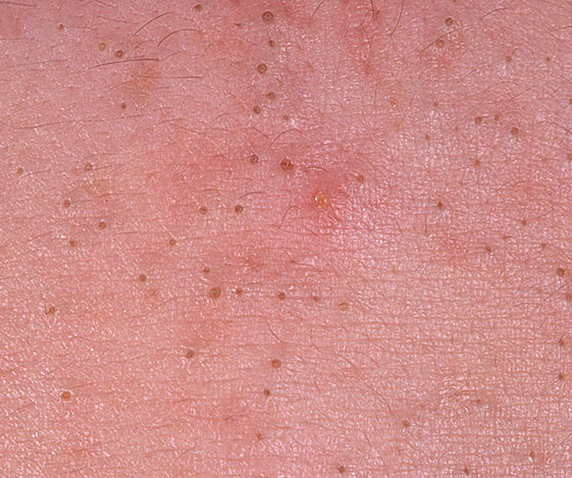
Inkštirai susidaro, kai riebalinės liaukos gamina per daug aliejaus, o negyvos odos ląstelės nėra tinkamai pašalinamos, sukuriant kamštį poros angoje. Hormonai, genetika, tam tikra kosmetika, rūkymas, mityba ir odos pažeidimai (įskaitant UV) gali prisidėti prie šio proceso.
Inkštirai patys savaime nėra pavojingi ir sukelia daugiausia kosmetinį ir psichologinį diskomfortą. Tačiau daugybė komedonų gali rodyti hormonines ar medžiagų apykaitos problemas ir gali progresuoti į uždegiminius spuogus, jei bakterijos per daug dauginasi užsikimšusiose porose.
Pavieniai, maži inkštirai, kurie tau netrukdo, dažnai nereikalauja gydymo ir gali išnykti savaime. Daugeliui ar nuolatiniams komedonams gydymas paprastai apima švelnų valymą, cheminius šveitiklius (pvz., salicilo rūgštį), retinoidus ir kartais profesionalų išspaudimą ar šveitimą prižiūrint dermatologui arba kosmetologui.
Prevencija orientuota į švelnią kasdieninę odos priežiūrą, nekomedogeninius produktus ir bendrą sveiką gyvenimo būdą. Apsauga nuo UV spindulių, vengimas lėtinio trinties ar traumos, nerūkymas ir mitybos, streso bei hormonų valdymas padeda sumažinti naujų inkštirų atsiradimą.
Kada kreiptis į gydytoją?
Apsilankyk pas dermatologą, jei inkštirai yra gausūs, plinta, negerėja su pagrindine priežiūra arba virsta raudonais, skausmingais spuogais. Taip pat turėtum pasitikrinti, jei pastebi staigius sunkius išbėrimus, infekcijos požymius arba jei spuogai stipriai veikia tavo pasitikėjimą savimi ar nuotaiką.
Inkštirai paprastai nėra skubūs ir gali būti valdomi su įprasta odos priežiūra ir planuotais dermatologo vizitais. Kreipkis į gydytoją anksčiau, jei pažeidimai tampa raudoni, skausmingi ar užsikrėtę, arba jei išbėrimai staiga pablogėja.