
Causes
The exact cause of seborrheic keratosis is not fully known, but age, genetics, and sun exposure all play a role. They are not caused by infection, are not contagious, and do not come from poor hygiene.
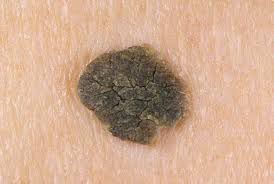
Seborrheic keratosis
Frequency
Very Common
Age Group
Adults & Elderly
Progression
Chronic
Contagious
No
Seborrheic keratosis is a very common benign skin growth that looks like a stuck‑on, warty or waxy spot on the skin. It usually appears after age 40–50, often in many spots, and does not turn into skin cancer in most people.
This is general information. With a scan you'll receive a detailed, personalized analysis — including individual risk assessment, progression tracking and recommended actions.
The exact cause of seborrheic keratosis is not fully known, but age, genetics, and sun exposure all play a role. They are not caused by infection, are not contagious, and do not come from poor hygiene.
Seborrheic keratosis itself is low‑risk and usually stays benign, but in rare cases it can transform into squamous cell carcinoma, especially if it is repeatedly irritated or burned. The bigger concern is that skin cancers like melanoma or squamous cell carcinoma can sometimes mimic or hide among these spots.
Seborrheic keratoses do not need treatment unless they bother you or look suspicious. When removal is needed, options include surgical shaving, curettage, electrosurgery, laser, or cryotherapy, ideally after a doctor has ruled out skin cancer.
You cannot fully prevent seborrheic keratoses, but good sun protection and avoiding chronic skin irritation can reduce triggers. Regular skin checks and photo monitoring help catch any suspicious changes early.
See a dermatologist if a seborrheic keratosis changes quickly, bleeds, becomes very itchy or painful, or looks different from your other spots. Routine check‑ups and AI‑assisted photo monitoring are useful if you have many lesions or a history of skin cancer.
Most seborrheic keratoses are not urgent and can be checked at a routine dermatology visit, but any rapidly changing, bleeding, or very dark lesion should be assessed within weeks. If a spot looks clearly different from all your others or you suddenly get many new ones, book an appointment soon.
The information provided here is for educational purposes only and does not replace professional medical advice. Always consult a dermatologist or physician if you have any concerns.
An open comedone, or blackhead, is a small plug of oil and dead skin that blocks the opening of a pore and turns dark when exposed to air. It is a non‑inflamed form of acne and most often appears on the face, neck, chest, back, and shoulders. Blackheads are usually harmless but can be a cosmetic concern and may progress to inflamed pimples if bacteria overgrow.
Milia are tiny, white or yellowish cysts just under the surface of the skin, most often seen on the face. They are harmless, not infectious, and usually cause only cosmetic concerns rather than health problems.
A closed comedone (whitehead) is a small clogged pore where sebum and dead skin cells are trapped under a thin layer of skin. It looks like a tiny, pale or skin‑colored bump without a black dot in the center and is considered a mild, non‑inflamed form of acne.
An acral nevus is a benign mole that appears on the palms of the hands or soles of the feet. It is usually small, evenly colored, and stable over time, and most do not turn into melanoma. Because melanoma can also appear on palms and soles, any new or changing spot in these areas should be checked by a dermatologist.