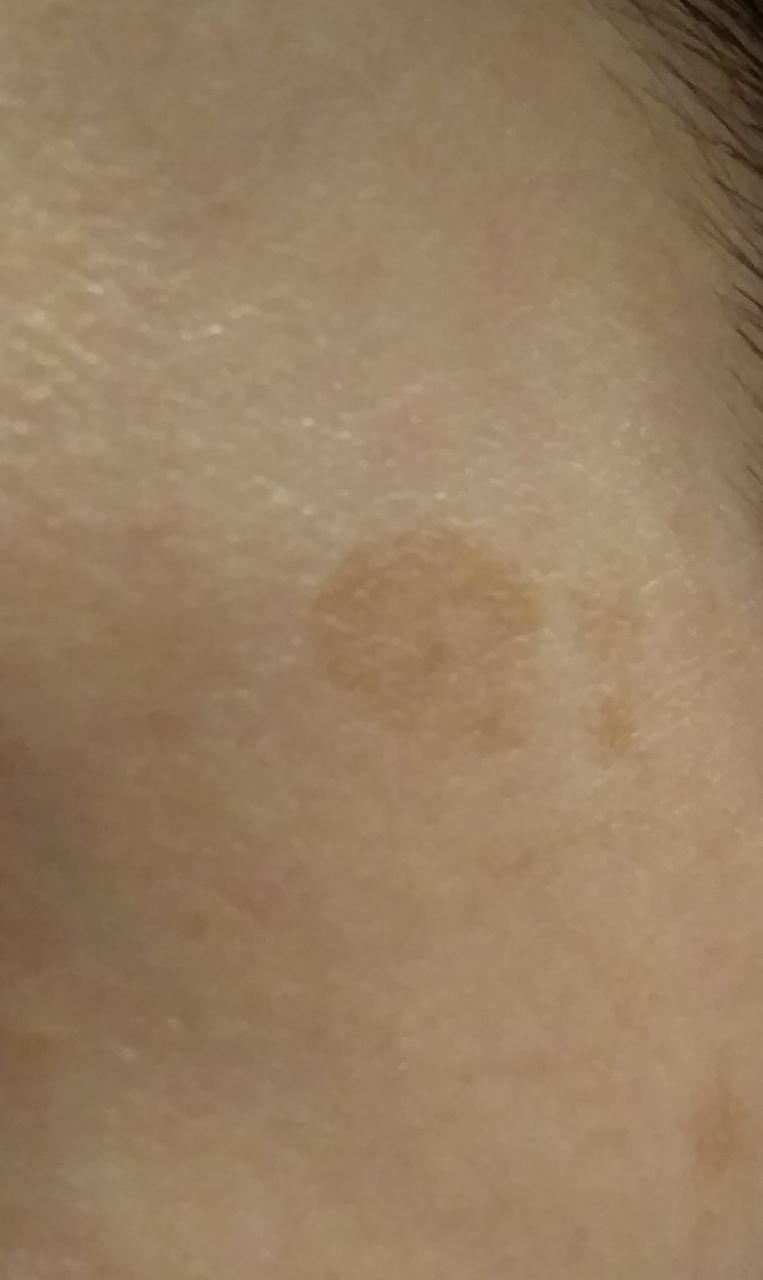
Lentigo develops when certain skin cells produce extra melanin, usually after years of UV exposure from the sun or tanning beds. Age, fair skin, hormones, genetics, and sometimes previous skin damage or radiation also play a role. In younger people, lentigo is less common and can be linked to hormonal or metabolic issues. Often, several factors add up rather than one single cause.
Simple lentigo itself has a very low risk of turning into melanoma, similar to normal skin. The main risk is missing an early melanoma or lentigo maligna that looks like a harmless sun spot. Extra UV exposure, chronic irritation, and older age increase overall skin cancer risk. Regular self‑checks, our AI skin analysis, and periodic dermatologist visits help keep that risk under control.
Most lentigines don’t need treatment unless you dislike how they look or the spot is in a high‑risk area that gets constant friction. Options include surgical removal for single lesions and cosmetic methods like lasers, chemical peels, or light‑based treatments for multiple spots. Any destructive procedure should only be done after a dermatologist or oncologist has examined the lesion, ideally with dermatoscopy or biopsy if needed. After removal, the area should be monitored for any new or recurring pigment, using photos or our AI skin analysis.
You can reduce the chance of new lentigines and lower cancer risk by limiting UV exposure, avoiding tanning beds, and using broad‑spectrum sunscreen daily. Wear hats and protective clothing, and avoid chronic rubbing or irritation of the same skin areas. Follow safety rules if you work with radiation or skin‑damaging chemicals. Regular self‑checks, our AI skin analysis, and timely dermatologist visits are key for prevention and early detection.
See a dermatologist if a brown spot is new, changing, very dark, irregular, or starts to itch, bleed, or crust, or if you have many sun spots and a history of heavy sun exposure. Routine checks every 1–2 years are wise if you’re over 35, have fair skin, or many pigmented lesions. Use our AI skin analysis between visits to monitor your spots and decide when something needs a professional look.
Most lentigines are not urgent and can be checked at a routine dermatology visit. However, if a spot that looks like a sun or age spot starts changing quickly, becomes very dark or irregular, or begins to itch, bleed, or crust, you should see a dermatologist within weeks rather than months.