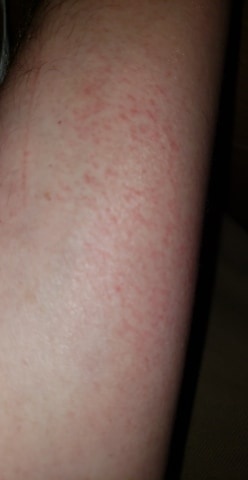
Dermatitis develops when the skin barrier is damaged or reacts to a substance, leading to inflammation. Irritant contact dermatitis is caused by direct damage from things like water, soaps, chemicals, or friction, while allergic contact dermatitis is a delayed immune reaction to a specific allergen such as nickel, fragrances, or preservatives. Dry air, frequent wetting and drying, and an atopic background (hay fever, asthma, eczema) all make the skin more sensitive to these triggers.
You’re at higher risk of dermatitis if your job or daily life involves frequent handwashing, wet work, chemicals, or friction, such as in healthcare, cleaning, hairdressing, construction, or food service. Having dry skin, living in low humidity, or having hay fever, asthma, or eczema also makes your skin more reactive. Wearing certain metals, cosmetics, fragrances, rubber gloves, or using many topical products increases the chance of allergic contact dermatitis.
The key to treating dermatitis is to identify and avoid the irritant or allergen, protect the skin, and repair the barrier. This usually means reducing wet‑dry cycles, using gloves correctly, and applying thick emollients like petroleum jelly several times a day. Topical corticosteroid ointments are often prescribed for 1–3 weeks to calm redness, itching, and swelling, with the strength chosen according to the body area. Severe or widespread allergic contact dermatitis may need a short course of oral steroids under medical supervision.
To prevent dermatitis, protect your skin from irritants and allergens and keep the barrier strong. Use mild, fragrance‑free cleansers, moisturize often with thick creams or petroleum jelly, and avoid long hot showers and repeated wet‑dry cycles. At work, wear appropriate protective gloves and cotton liners, and rinse and dry your hands gently. If you already know your allergens, read labels carefully and avoid products with those ingredients.
See a dermatologist if your dermatitis lasts more than 2–3 weeks despite good skin care, keeps coming back, is very itchy or painful, or interferes with sleep or work. You should also get medical help quickly if the skin becomes very swollen, hot, or oozing, if you see pus or yellow crusts, or if you feel unwell with fever or chills.
Dermatitis is usually not an emergency, but you should see a doctor if it lasts more than a few weeks, keeps coming back, or becomes very uncomfortable. Seek urgent care if the skin becomes very swollen, hot, or painful, if there is pus or spreading redness, or if you feel feverish or unwell.