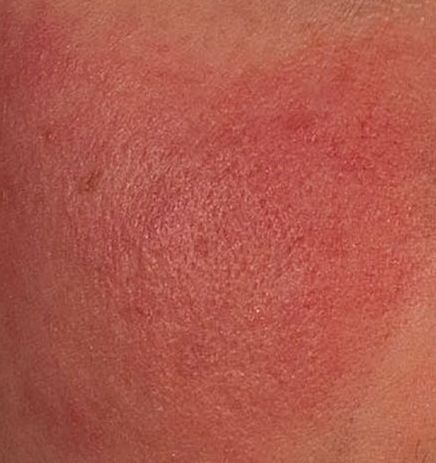
Rosacea develops from a mix of factors: abnormal reactivity of facial blood vessels, chronic low‑grade inflammation, changes in the skin’s microbiome (including Demodex mites), genetics, and environmental triggers like UV, heat, and alcohol. It is not caused by poor hygiene and is different from acne, although both can occur together.
Rosacea itself is not life‑threatening, but without control it can lead to permanent redness, visible vessels, skin thickening, and eye problems. It often causes a strong cosmetic and psychological burden, so early diagnosis and steady treatment are important.
Rosacea treatment is long‑term and tailored: gentle skincare, daily sun protection, trigger avoidance, and prescription creams or gels are the base. Depending on the subtype and severity, doctors may add oral medications, laser or light treatments for vessels, and sometimes surgery for advanced thickening of the nose or other areas.
You can’t completely prevent rosacea if you’re predisposed, but you can greatly reduce flares by protecting your skin from UV, avoiding personal triggers, and using gentle skincare. Consistent habits usually matter more than any single product.
You should see a dermatologist for any persistent facial redness, visible vessels, or acne‑like bumps that don’t improve with gentle care, especially if you’re over 30. Eye redness, burning, or vision changes with rosacea are a reason to see both a dermatologist and an ophthalmologist soon.
Rosacea is usually not an emergency, but you should see a dermatologist within a few weeks for diagnosis and a tailored plan, especially if redness and bumps are spreading. Seek earlier care if you have eye symptoms, painful nodules, or thickening and deformity of the nose or other facial areas.