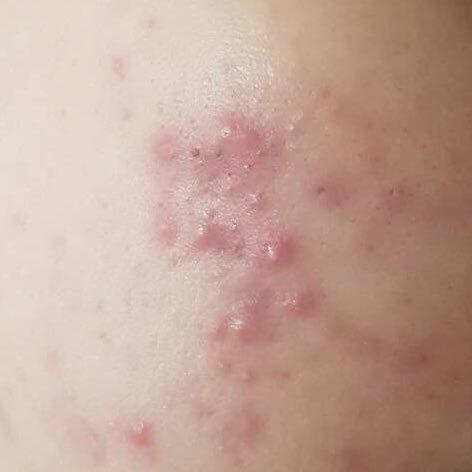
Pustular acne develops when excess sebum, clogged pores and skin bacteria trigger inflammation in hair follicles, on a background of genetic and hormonal influences. Puberty, androgens, stress, cosmetics, friction, and diet can all contribute, but there is rarely a single isolated cause.
Pustular acne itself is usually not dangerous, but it can lead to permanent scars, dark spots and significant psychological distress if not treated properly. In rare cases, severe or neglected acne can become heavily infected or signal underlying hormonal or metabolic problems.
Treatment of pustular acne usually combines topical anti-inflammatory and antibacterial products, retinoids to normalize skin turnover, and gentle cosmetic care. In more severe or resistant cases, doctors may add oral antibiotics, hormonal therapy or procedures like light therapy, peels or laser to reduce inflammation and improve scars.
You can help prevent pustular acne flares by using gentle non‑comedogenic skincare, avoiding picking, protecting your skin from excessive sun and friction, and maintaining a healthy lifestyle and diet. Regular self‑checks and early adjustment of care with a dermatologist or AI skin analysis reduce the risk of scars and dark spots.
See a dermatologist for pustular acne if over‑the‑counter products are not helping after a few weeks, if you see nodules, cysts or scars, or if acne is strongly affecting your mood or self‑esteem. Regular follow‑up and using our AI skin analysis between visits help fine‑tune treatment and prevent long‑term damage.
Pustular acne is usually not an emergency, but you should see a dermatologist within a few weeks to prevent scars and dark spots, especially if it is widespread or bothering you emotionally. Seek more urgent care if lesions are very painful, rapidly worsening, or accompanied by fever or feeling unwell.