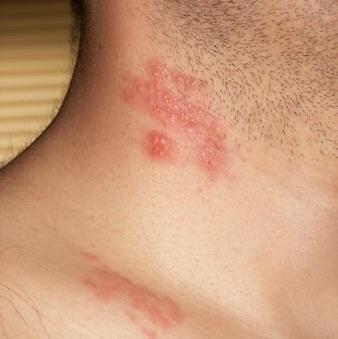
Herpes zoster shkaktohet nga riaktivizimi i virusit varicella-zoster që ka qenë në gjendje të fjetur në ganglionet nervore që nga një infeksion i kaluar me lisë së dhenve. Kur sistemi imunitar dobësohet ose është nën stres, virusi mund të riaktivizohet përgjatë një nervi specifik dhe të shkaktojë skuqjen tipike të dhimbshme në një anë.
Rreziku yt për herpes rritet me moshën, një sistem imunitar të dobësuar, sëmundje kronike dhe disa medikamente si kimioterapia ose steroidet afatgjata. Njerëzit që kanë kaluar lisë së dhenve janë në rrezik, dhe komplikacionet janë më të zakonshme tek të moshuarit dhe ata me imunitet të dobësuar.
Trajtimi kryesor për herpes zoster është terapia e hershme antivirale me ilaçe si acikloviri, valacikloviri ose famcikloviri, idealisht e filluar brenda 72 orëve nga fillimi i skuqjes. Kontrolli i dhimbjes me analgjezikë, ilaçe për dhimbje nervore dhe kujdes qetësues lokal është thelbësor, dhe disa njerëz kanë nevojë për trajtim specifik për neuralgjinë postherpetike.
Mënyra më efektive për të parandaluar herpesin dhe komplikacionet e tij është vaksinimi kundër herpes zoster, veçanërisht për të rriturit mbi 50 vjeç. Zakone të shëndetshme të jetesës dhe kontroll i mirë i sëmundjeve kronike gjithashtu ndihmojnë në mbajtjen e sistemit imunitar të fortë dhe uljen e rrezikut të riaktivizimit.
Kur të Shihni një Doktor?
Duhet të shohësh një mjek menjëherë nëse dyshon për herpes, sidomos nëse skuqja është në fytyrë, pranë syrit, ose nëse dhimbja është e fortë. Një mjek mund të konfirmojë diagnozën, të fillojë antiviralët, të menaxhojë dhimbjen dhe të kontrollojë për komplikacione si dëmtimi i syrit ose neuralgjia postherpetike.
Herpes duhet të vlerësohet nga një mjek brenda 24-72 orëve nga fillimi i skuqjes në mënyrë që trajtimi antiviral të fillojë herët. Nëse skuqja është në fytyrë, pranë syrit, ose ndihesh shumë keq, kërko kujdes urgjent të njëjtën ditë ose emergjencë.