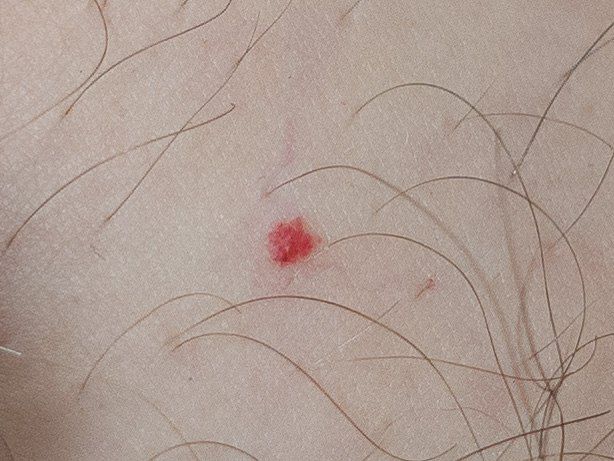
La causa exacta dels hemangiomes és desconeguda, però estan lligats al creixement local de vasos sanguinis influenciat per factors genètics, d'embaràs i de vegades per malalties internes. En adults, els canvis a la paret vascular, malalties del fetge, problemes hormonals i l'exposició als UV poden jugar un paper.
Els hemangiomes gairebé mai es converteixen en càncer, i el seu risc maligne és similar al de la pell normal. Els principals riscos són sagnat, ulceració, infecció i problemes cosmètics o funcionals si la lesió és gran o està en una àrea sensible.
Molts hemangiomes petits i estables no necessiten tractament i poden simplement ser monitoritzats, incloent-hi amb la nostra anàlisi de pell per IA. Si cal tractament, les opcions inclouen teràpia làser, crioteràpia, escleroteràpia, cirurgia i, per a algunes formes congènites, medicaments com beta-bloquejadors o esteroides.
No pots prevenir completament els hemangiomes, especialment els congènits, però una cura saludable de l'embaràs redueix alguns riscos. Per als hemangiomes existents, la prevenció se centra en protegir la pell de traumatismes, gestionar altres malalties i revisar les lesions regularment, incloent-hi amb la nostra anàlisi de pell per IA.
La majoria dels hemangiomes poden ser mostrats a un dermatòleg en una visita planificada, especialment si són nous, estan creixent o són molestos estèticament. Es necessita atenció urgent si hi ha sagnat abundant, canvi ràpid o una lesió prop de l'ull, boca o via aèria en un nen.
Els hemangiomes normalment no són una emergència i poden ser avaluats en una visita de dermatologia de rutina. Busca atenció urgent només si hi ha sagnat fort, creixement ràpid, dolor sever o si una lesió en un nen afecta la respiració, alimentació o visió.