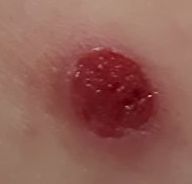
La causa esatta del granuloma piogenico non è completamente chiara, ma sembra essere una risposta di guarigione esagerata dei vasi sanguigni, spesso dopo una lesione minore, irritazione o ustioni. Cambiamenti ormonali, alcuni farmaci e la gravidanza possono anche innescare o promuovere queste crescite.
Il granuloma piogenico è benigno e non si trasforma in cancro, ma può sanguinare abbondantemente o infettarsi se irritato. Il principale rischio medico è confonderlo con un cancro della pelle che può sembrare simile, motivo per cui è importante una diagnosi corretta.
I granulomi piogenici vengono solitamente trattati rimuovendoli, più spesso con escissione chirurgica, laser, cauterizzazione o congelamento, seguiti da istologia per confermare la diagnosi. Poiché sono molto vascolari, è importante un controllo attento del sanguinamento durante e dopo la procedura.
Puoi ridurre la possibilità di granuloma piogenico proteggendo la tua pelle da lesioni minori ripetute, ustioni e irritazioni croniche, e trattando tempestivamente le infezioni cutanee. Controlli regolari e visite precoci dal medico per nuovi noduli sanguinanti aiutano anche a individuare precocemente i tumori simili.
Dovresti vedere un dermatologo (o a volte un dermato-oncologo) per qualsiasi nuovo nodulo rosso a crescita rapida che sanguina facilmente per confermare che si tratta di un granuloma piogenico e non di un cancro della pelle. Dopo la diagnosi, possono rimuoverlo in sicurezza e inviarlo per istologia se necessario.
Un granuloma piogenico non è un'emergenza, ma dovresti prenotare una visita dermatologica di routine entro poche settimane per qualsiasi nuovo nodulo rosso a crescita rapida che sanguina facilmente. Cerca assistenza urgente lo stesso giorno se il sanguinamento non si ferma con una pressione ferma o se ci sono segni di infezione diffusa.