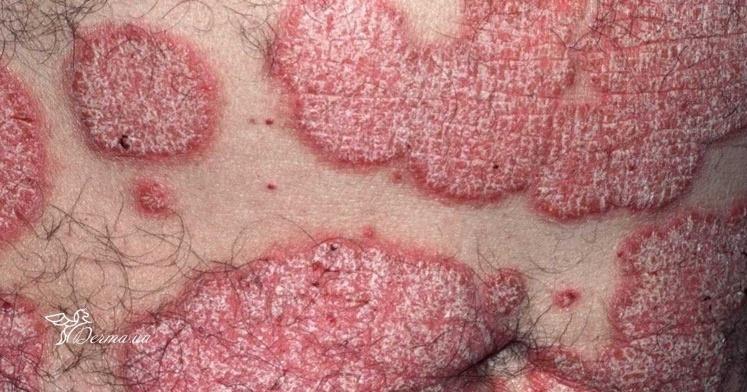
Psoriasis vulgaris is caused by a mix of genetic predisposition and immune system overactivity, triggered by factors like infections, certain medications, skin irritation, stress, alcohol, and climate. The immune system mistakenly speeds up skin cell growth and inflammation, leading to the typical red, scaly plaques.
You are more likely to develop psoriasis vulgaris if close relatives have psoriasis, if you smoke, drink a lot of alcohol, are overweight, or have autoimmune or metabolic diseases. Repeated skin injuries, chronic stress, and certain medications also increase the risk of flare‑ups and more severe disease.
Treatment of psoriasis vulgaris focuses on softening and removing scales, calming inflammation, and slowing down the overgrowth of skin cells. Depending on severity, this can include moisturizers and keratolytic creams, topical steroids, vitamin D analogues, calcineurin inhibitors, phototherapy, and in moderate to severe cases systemic drugs or biologics, guided by a dermatologist.
You cannot fully prevent psoriasis vulgaris if you are genetically prone, but you can reduce flare‑ups by avoiding triggers like smoking, heavy alcohol use, skin injuries, and uncontrolled stress. Gentle skin care, a healthy weight, regular exercise, and careful use of medications under medical guidance all help keep the disease calmer.
You should see a dermatologist to confirm psoriasis vulgaris, discuss trigger factors, and choose the right mix of creams, possible light therapy, or systemic treatment. Regular follow‑ups are important, especially if plaques spread, nails or joints are affected, or your quality of life is clearly reduced.
Psoriasis vulgaris usually does not require emergency care, but you should see a dermatologist within weeks for diagnosis and a tailored treatment plan, especially if plaques are spreading, nails or joints are involved, or itching and appearance bother you. Seek urgent medical help if you develop widespread redness, pus‑filled lesions, fever, or severe malaise.