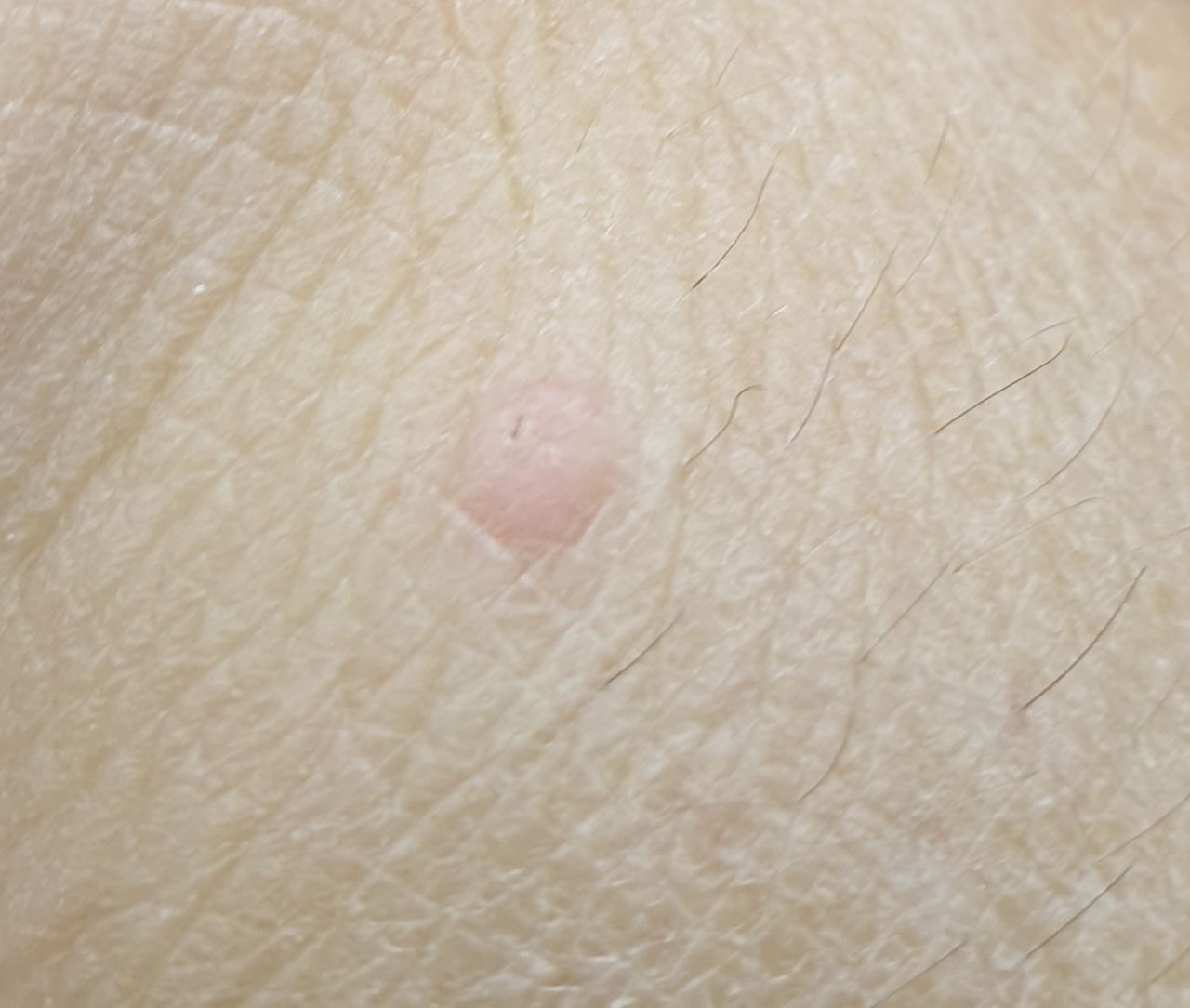
Плоските брадавици са причинени от инфекция на горните слоеве на кожата с човешки папиломен вирус (HPV), обикновено нискорискови типове. Повечето хора носят HPV, но брадавици се появяват само когато допълнителни фактори като намален имунитет, увреждане на кожата или лоша грижа за кожата улесняват вируса да предизвика израствания.
Плоските брадавици се считат за безопасни по отношение на раковия риск и почти никога не стават злокачествени. Основните проблеми са козметичният дискомфорт, възможното кървене или болезненост, ако често се травмират, и склонността да се разпространяват или умножават върху кожата.
Плоските брадавици могат да бъдат премахнати с нежни методи като лазер, течен азот (криотерапия), радиовълнова хирургия или електрокоагулация. В някои случаи се използва хирургично изрязване с хистология, особено ако диагнозата не е ясна. Самостоятелното рязане, изгаряне или чоплене на брадавици е опасно и може да причини кървене, инфекция, белези и грешна диагноза. Дори след премахване, нови брадавици могат да се появят, затова последващото наблюдение и превенцията са важни.
Можеш да намалиш риска от плоски брадавици, като защитаваш кожата си от хронично дразнене, поддържаш добра лична хигиена и лекуваш инфекции и метаболитни заболявания навреме. Укрепването на имунитета, използването на слънцезащита и избягването на ненужно UV или радиационно излагане също помагат. Редовните самопроверки и ранните посещения при дерматолог за променящи се лезии са ключови.
Посети дерматолог, ако забележиш нови плоски, множество подутини, които изглеждат като брадавици, особено върху ръцете или лицето, или ако съществуващи брадавици се променят, кървят или често се нараняват. Рутинните проверки са полезни за хора с много брадавици, отслабен имунитет или други кожни тумори.
Плоските брадавици обикновено не са спешни и могат да бъдат оценени при планирано посещение при дерматолог. Потърси по-ранна медицинска помощ, ако лезията се променя бързо, кърви без ясна травма, става болезнена или изглежда много различно от другите ти брадавици.