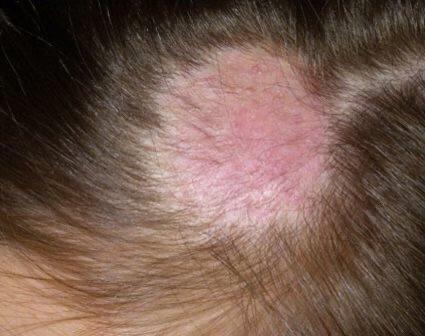
Трихомікоз викликаний дерматофітними грибами, головним чином видами Microsporum і Trichophyton, які проникають у стрижень волосся та фолікули. Інфекція зазвичай поширюється через прямий контакт зі шкірою, контакт із зараженими тваринами або спільними предметами, такими як гребінці, капелюхи, рушники або бритви.
Діти, люди в групах з тісним контактом, і чоловіки, які часто голять або підстригають бороди, мають вищий ризик трихомікозу. Контакт із зараженими домашніми або сільськогосподарськими тваринами, спільне використання інструментів для волосся та ослаблена імунна система також підвищують ризик інфекції та рецидивів.
Трихомікоз лікується головним чином системними протигрибковими препаратами, такими як гризеофульвін, тербінафін або ітраконазол, часто протягом кількох тижнів. Місцеві креми, лікувальні шампуні, обережне гоління або підстригання та гігієнічні заходи допомагають очистити грибок і запобігти поширенню, а раннє лікування знижує ризик постійного випадіння волосся.
Щоб запобігти трихомікозу, уникай спільного використання інструментів для волосся та бороди, регулярно мий руки та волосся, та своєчасно лікуй заражених членів сім'ї та домашніх тварин. Обережні практики гоління, дезінфекція інструментів для догляду та регулярні перевірки у дітей та працівників з високим ризиком допомагають зменшити спалахи.
Коли звернутися до лікаря?
Ти повинен звернутися до дерматолога при будь-яких стійких лускатих плямах, ламкості волосся або запалених вузлах на шкірі голови або в області бороди, особливо якщо вони поширюються або інші навколо тебе мають схожі проблеми. Рання діагностика та лабораторні тести допомагають вибрати правильне протигрибкове лікування та запобігти постійному випадінню волосся або поширенню на членів сім'ї.
Трихомікоз не є екстреною ситуацією, але ти повинен звернутися до дерматолога протягом кількох тижнів або раніше, якщо є біль, гній або швидке випадіння волосся. Раннє лікування знижує ризик постійного рубцювання та допомагає запобігти поширенню інфекції на інших.