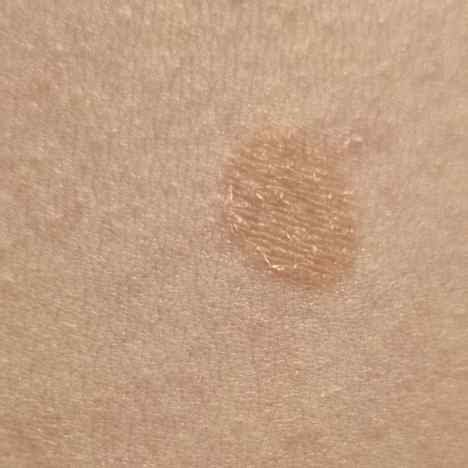
The cause of pityriasis versicolor is an overgrowth and transformation of Malassezia yeasts that normally live on oily skin. Heat, humidity, sweating, oily skin, hormonal changes, weakened immunity and some medications can trigger this shift and lead to visible spots.
You are more likely to get pityriasis versicolor if you live in a warm, humid climate, sweat a lot, have oily skin, or wear tight, non‑breathable clothing. Hormonal changes, oral contraceptives, systemic steroids, weakened immunity and malnutrition also increase the risk and make recurrences more likely.
Mild pityriasis versicolor is usually treated with antifungal shampoos, solutions or creams such as ketoconazole, clotrimazole or terbinafine, applied once or twice daily for 2–4 weeks. More extensive or stubborn cases may need prescription tablets like itraconazole or fluconazole, and even after the fungus is cleared, the color changes can take weeks to months to fade. Our AI skin analysis can help you track how well the spots respond to treatment and if they start to come back.