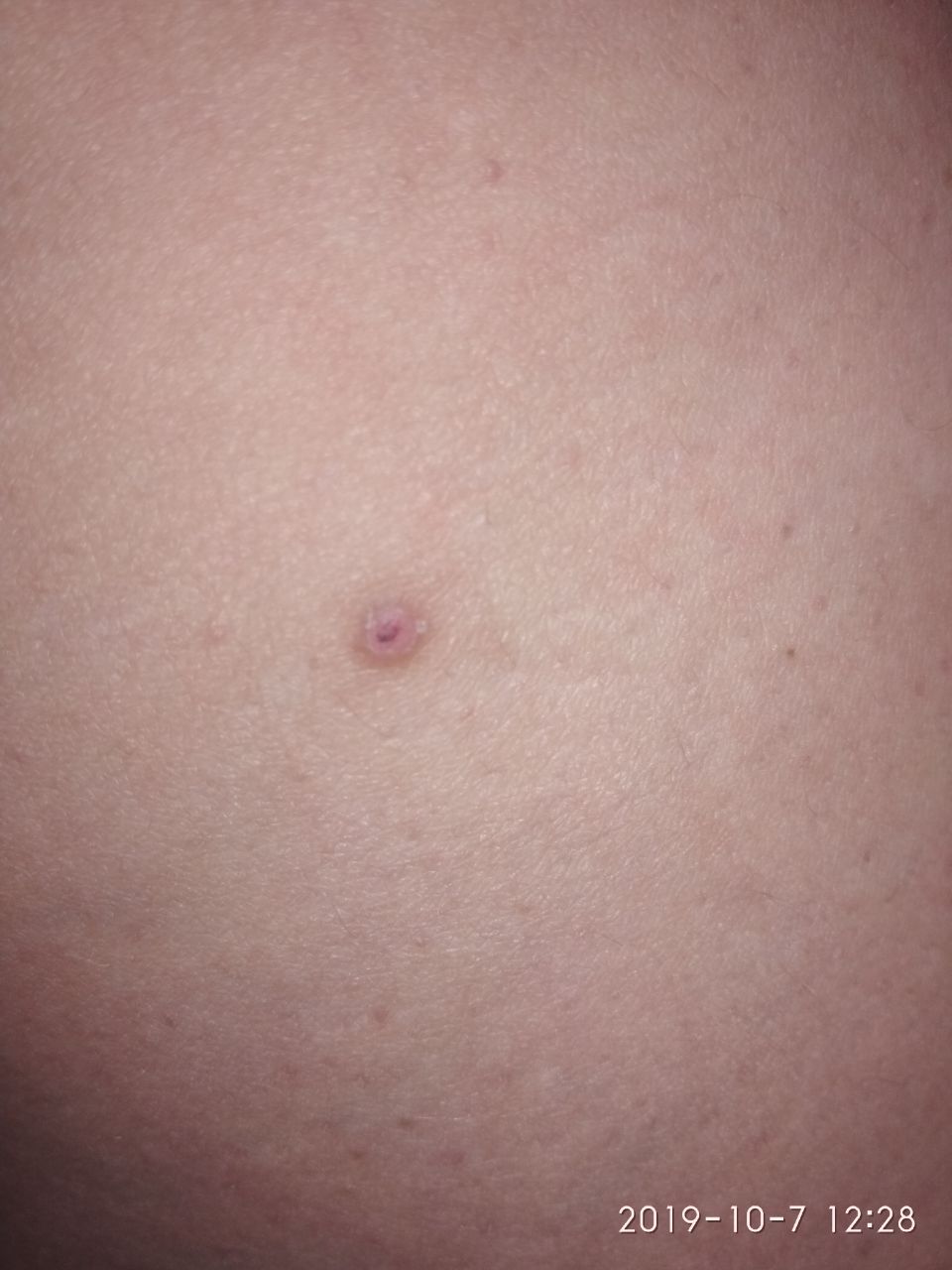
Molluscum contagiosum izaziva virus molluscum contagiosum (MCV), poksvirus koji inficira gornji sloj kože. Širi se direktnim kontaktom s kožom, deljenjem predmeta poput peškira ili igračaka za bazen, a kod odraslih često putem bliskog seksualnog kontakta.
Molluscum contagiosum nije kancerogen i ne pretvara se u melanom ili druge karcinome kože. Glavni rizici su širenje na druge delove tela, infekcija bliskih kontakata, kozmetički problemi i povremena iritacija, infekcija ili ožiljci ako se izbočine češu ili diraju.
Lečenje obično uključuje uklanjanje izbočina ili uništavanje virusa u koži metodama poput lasera, krioterapije (zamrzavanje), kiretaže, radio talasa ili električne kauterizacije ili propisanih lokalnih lekova. Ne smeš stiskati ili dirati izbočine sam, jer to širi virus i povećava rizik od infekcije i ožiljaka.
Možeš smanjiti rizik od molluscum contagiosum tako što nećeš deliti peškire ili brijače, štitiš kožu od hronične iritacije, praktikuješ sigurniji seks i lečiš postojeće izbočine kako se ne bi širile. Dobra higijena, upravljanje drugim kožnim problemima i podržavanje imunološkog sistema takođe pomažu u smanjenju recidiva.
Trebaš posetiti dermatologa kako bi potvrdio da su izbočine molluscum contagiosum i razgovarao o opcijama uklanjanja, posebno ako se šire, na licu ili genitalijama, ili uzrokuju sram. Naša AI analiza kože korisna je za rutinsko praćenje, ali ne zamenjuje lični pregled i moguću dermatoskopiju ili biopsiju.
Molluscum contagiosum nije hitno, ali trebaš planirati rutinsku posetu dermatologu u roku od nekoliko nedelja kako bi potvrdio dijagnozu i razgovarao o lečenju, posebno ako se lezije šire ili su na licu ili genitalijama.