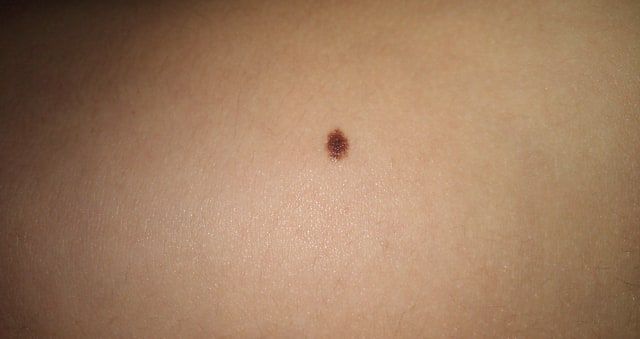
Benign nevi form when pigment cells in the skin grow in small clusters instead of spreading out evenly. Genetics, sun and UV exposure, and hormonal changes all play a role in how many moles you get and how they look. Sometimes injuries, radiation, or certain illnesses can also trigger new moles or changes in existing ones.
A typical benign nevus has a very low risk of turning into melanoma, similar to normal skin. The risk is slightly higher in large or giant congenital moles, especially those over 20 cm, but still low overall. The main warning signs are changes in size, shape, color, or new symptoms like itching, pain, or bleeding.
Most benign nevi don’t need any treatment and can simply be monitored over time. If a mole is suspicious, repeatedly traumatized, or cosmetically bothersome, it can be surgically removed and sent for histology. Destructive methods like laser or freezing are not recommended for pigmented nevi because they destroy tissue needed for proper analysis.
You can’t fully prevent moles, but you can reduce unnecessary new ones and lower cancer risk by protecting your skin from UV, avoiding tanning beds, and preventing chronic rubbing or injury to moles. Regular self-checks, using tools like our AI skin analysis, and timely visits to a dermatologist if something changes are key. Good sun habits from a young age make the biggest difference.
See a dermatologist for a full skin check if you have many moles, large congenital moles, or notice any changes in a mole’s size, shape, color, or symptoms. Routine monitoring can be done at home with self-checks and our AI skin analysis, but any suspicious or injured mole should be assessed in person.
A typical benign nevus is not an emergency and can be checked at your next routine dermatology visit. However, if a mole changes quickly, looks very irregular, or starts to itch, hurt, or bleed, you should arrange a non-emergency but prompt appointment within the next few weeks.