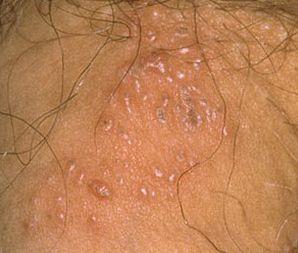
Genitalni herpes je uzrokovan infekcijom herpes simpleks virusom, obično kroz seksualni kontakt sa zaraženim partnerom. HSV-1 ili HSV-2 ulazi kroz male pukotine na koži ili sluznici i zatim se smešta u obližnje nervne ćelije, gde se kasnije može ponovo aktivirati i izazvati nova izbijanja.
Rizik od genitalnog herpesa je veći ako imaš nezaštićeni seks sa više partnera, imaš partnera sa poznatim herpesom ili si započeo seksualnu aktivnost u mladom uzrastu. Oslabljeni imunitet, druge polno prenosive infekcije i često nadraživanje kože u genitalnom području takođe povećavaju šansu za infekciju i recidive.
Genitalni herpes se leči antivirusnim tabletama kao što su aciklovir, valaciklovir ili famciklovir, koji skraćuju izbijanja i smanjuju bol. Blagi slučajevi mogu zahtevati samo lokalnu negu poput nežnog pranja, labavog pamučnog donjeg veša, toplih kupki i lekova protiv bolova, dok česta ili teška izbijanja mogu zahtevati dužu supresivnu antivirusnu terapiju koju propisuje lekar.
Možeš smanjiti rizik od genitalnog herpesa korišćenjem kondoma, ograničavanjem broja seksualnih partnera i izbegavanjem seksa tokom izbijanja ili kada osećaš upozoravajuće znakove poput trnjenja ili peckanja. Obaveštavanje partnera o dijagnozi, razmatranje dnevnih antivirusnih tableta ako su izbijanja česta i upravljanje okidačima poput stresa i bolesti takođe pomažu u smanjenju recidiva i prenosa.
Poseti dermatologa, venerologa ili lekara za seksualno zdravlje ako primetiš bolne genitalne plikove, rane ili peckanje, posebno nakon novog seksualnog kontakta. Hitna procena je potrebna ako imaš jaku bol, poteškoće s mokrenjem, visoku temperaturu, trudna si ili imaš oslabljen imuni sistem.
Genitalni herpes obično zahteva brzu, ali ne hitnu negu, posebno za prvi napad ili ako su simptomi teški. Poseti hitnu ili hitnu negu ako ne možeš mokriti, imaš vrlo jaku bol, visoku temperaturu ili si trudna i misliš da je ovo tvoj prvi napad.