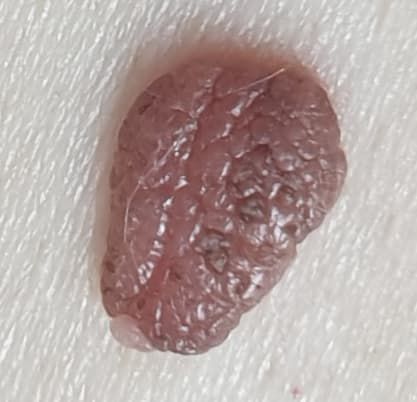
Nguyên nhân chính xác của nốt ruồi nhú chưa được biết rõ, nhưng di truyền và tiếp xúc với tia UV đóng vai trò quan trọng. Xu hướng gia đình, tiếp xúc với ánh nắng mặt trời hoặc giường tắm nắng, và các yếu tố như bức xạ ion hóa, nhiễm trùng virus, hoặc chấn thương da lặp đi lặp lại đều có thể góp phần vào sự xuất hiện hoặc phát triển của chúng.
Nốt ruồi nhú được coi là an toàn và có nguy cơ rất thấp chuyển thành u ác tính. Mối quan tâm chính là khi một nốt ruồi bắt đầu thay đổi về kích thước, hình dạng, màu sắc, hoặc cảm giác, đặc biệt sau chấn thương hoặc tiếp xúc nhiều với tia UV, điều này nên thúc đẩy một cuộc hẹn với bác sĩ.
Hầu hết các nốt ruồi nhú không cần điều trị và có thể chỉ cần theo dõi. Nếu cần loại bỏ vì lý do y tế hoặc thẩm mỹ, cắt bỏ phẫu thuật kèm theo xét nghiệm mô học là phương pháp được khuyến nghị, trong khi laser hoặc đông lạnh thường không được khuyến khích cho các nốt ruồi nổi sắc tố.
Bạn không thể ngăn ngừa hoàn toàn nốt ruồi nhú vì di truyền đóng vai trò lớn, nhưng bạn có thể giảm rủi ro bằng cách hạn chế tiếp xúc với tia UV, tránh giường tắm nắng, và bảo vệ da khỏi chấn thương mãn tính. Tự kiểm tra thường xuyên, giám sát bằng AI, và thăm khám bác sĩ kịp thời cho các nốt ruồi thay đổi giúp ngăn ngừa phát hiện muộn u ác tính.
Gặp bác sĩ da liễu nếu nốt ruồi nhú thay đổi về kích thước, hình dạng, màu sắc, hoặc cảm giác, hoặc nếu nó bị chấn thương lặp đi lặp lại hoặc gây khó chịu về mặt thẩm mỹ. Kiểm tra định kỳ mỗi 1-2 năm là hợp lý nếu bạn có nhiều nốt ruồi, sử dụng phân tích da AI của chúng tôi giữa các lần thăm khám để theo dõi sự thay đổi.
Hầu hết các nốt ruồi nhú không khẩn cấp và có thể được xem xét trong một cuộc hẹn da liễu định kỳ. Nếu bạn nhận thấy thay đổi nhanh chóng, triệu chứng mới như chảy máu hoặc đau, hoặc một nốt ruồi trông rất khác so với các nốt khác của bạn, bạn nên đặt lịch hẹn trong vài tuần thay vì vài tháng.