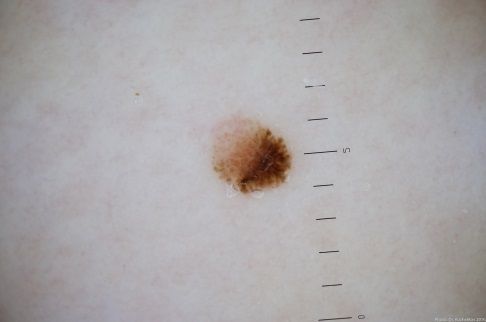
Dysplastic nevi develop from a mix of genetic predisposition and environmental triggers, mainly UV radiation. Hormonal shifts, skin injuries, and ionizing radiation can also contribute, but there is usually no single clear cause in one person.
Dysplastic nevi carry a higher risk of turning into melanoma than ordinary moles, especially when there are many of them, there is a family history of melanoma, or there is heavy UV exposure. Any change in size, shape, color, border, or new symptoms like itching, bleeding, or crusting should be checked quickly by a doctor.
The main treatment for a dysplastic nevus is surgical removal with a small margin of normal skin and mandatory histology. Destructive methods like laser or freezing are not recommended, because they destroy the tissue and make it impossible to rule out melanoma.
You can lower the risk of new dysplastic nevi and melanoma by limiting UV exposure, using sunscreen daily, avoiding tanning beds, and preventing repeated trauma to moles. Regular skin self‑checks, photo tracking, and timely visits to a dermatologist are key.
You should see a dermatologist or oncologist for any atypical mole, especially if it is changing, looks different from your other moles, or is in a high‑risk person or location. Regular professional skin checks, usually at least once a year and more often if you have many dysplastic nevi, are strongly recommended.
If an atypical mole is changing in size, shape, color, border, or starts itching, bleeding, or crusting, you should see a dermatologist or oncologist within the next 1–2 weeks. Stable atypical moles without changes still need regular planned check‑ups, usually at least once a year.