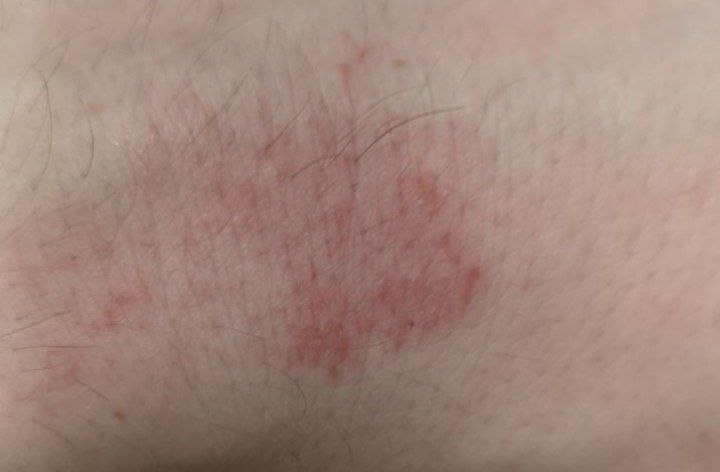
La dermatitis atòpica és causada per una barreja de predisposició genètica, una barrera de la pell debilitada i una resposta immune hiperactiva. Els al·lèrgens, l'aire sec, els irritants, les infeccions, l'estrès i els canvis hormonals poden desencadenar o empitjorar els brots.
Tens més probabilitats de tenir dermatitis atòpica si hi ha antecedents familiars, especialment juntament amb asma, febre del fenc o altres al·lèrgies. Els nadons i nens són els més afectats, i la pell seca, les estacions fredes, l'estrès i certes infeccions poden augmentar el risc de brots.
El tractament se centra en hidratants diaris, cura suau de la pell i medicaments antiinflamatoris com esteroides tòpics o inhibidors de la calcineurina durant els brots. En casos més severs, els metges poden afegir antihistamínics, antibiòtics, fototeràpia o tractaments sistèmics, i és important gestionar al·lèrgies, infeccions i estrès. El seguiment regular amb la nostra anàlisi de pell amb IA pot ajudar a seguir la resposta i detectar brots primerencs.
No pots prevenir completament la dermatitis atòpica si tens predisposició genètica, però pots reduir els brots mantenint la pell ben hidratada, evitant sabons agressius i llana, i gestionant al·lèrgens, estrès i infeccions. El tractament primerenc de brots lleus i el seguiment regular amb la nostra anàlisi de pell amb IA poden evitar que es tornin severs.
Consulta un dermatòleg o al·lergòleg per a un diagnòstic i un pla de tractament a llarg termini, especialment si l'erupció està molt estesa, és molt amb picor o no millora amb hidratants bàsics. Busca atenció urgent si notes un empitjorament dolorós sobtat, febre, pus o moltes petites butllofes que podrien indicar una infecció greu.
La dermatitis atòpica normalment no és una emergència, però necessita atenció mèdica regular si és moderada a severa o afecta el son i la vida diària. Busca ajuda urgent si desenvolupa febre, erupció dolorosa que s'estén ràpidament, pus o moltes butllofes similars que podrien indicar una infecció greu.