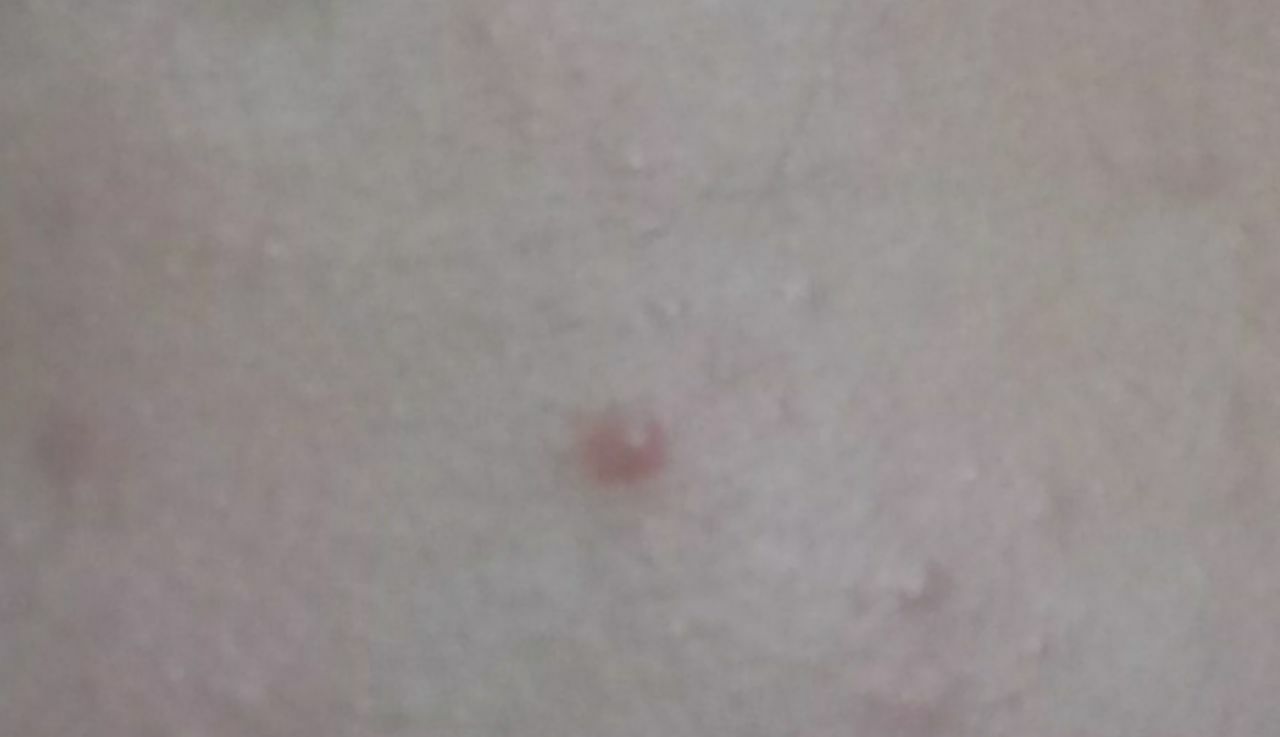
Затворените комедони се образуват, когато себумните жлези са свръхактивни и мъртвите кожни клетки не се излющват правилно, така че отворът на фоликула се блокира и себумът се затваря под кожата. Хормони, генетика, продукти за грижа за кожата, пушене, диета и увреждане на кожата (включително UV) могат да допринесат.
Самите по себе си затворените комедони не са опасни, но много лезии могат да сигнализират за хормонални или метаболитни проблеми и могат силно да повлияят на външния вид и самочувствието. Без правилна грижа, те могат да се възпалят, превръщайки се в акне папули, пустули или по-дълбоки кисти с риск от белези.
Единични, малки затворени комедони, които не те притесняват, често не изискват лечение и могат да изчезнат сами. Множество или упорити лезии обикновено се лекуват с нежни химически ексфолианти, ретиноиди и понякога извличания или пилинги в офиса под наблюдението на дерматолог, като същевременно се коригират тригерите като грижа за кожата, хормони и начин на живот.
Можеш да намалиш затворените комедони, като използваш нежна, некомедогенна грижа за кожата, почистваш редовно без прекомерно търкане и защитаваш кожата си от UV и хронично дразнене. Здравословен начин на живот, добра хигиена и редовни проверки на кожата с дерматолог или нашия AI анализ на кожата помагат за ранно откриване на проблеми.
Посети дерматолог, ако имаш много затворени комедони, ако не се подобряват с добра грижа за кожата или ако започнат да се зачервяват, болят или възпаляват. Нашият AI анализ на кожата е полезен за рутинно наблюдение, но лекар трябва да ръководи диагнозата и предписаните лечения.
Затворените комедони обикновено са с ниска спешност и могат да се управляват с планирани посещения при дерматолог, а не с спешна грижа. Потърси по-бързо внимание, ако лезиите внезапно се променят, станат много възпалени или болезнени, или ако видиш признаци на инфекция след изстискване.