
What Is Tinea Versicolor?
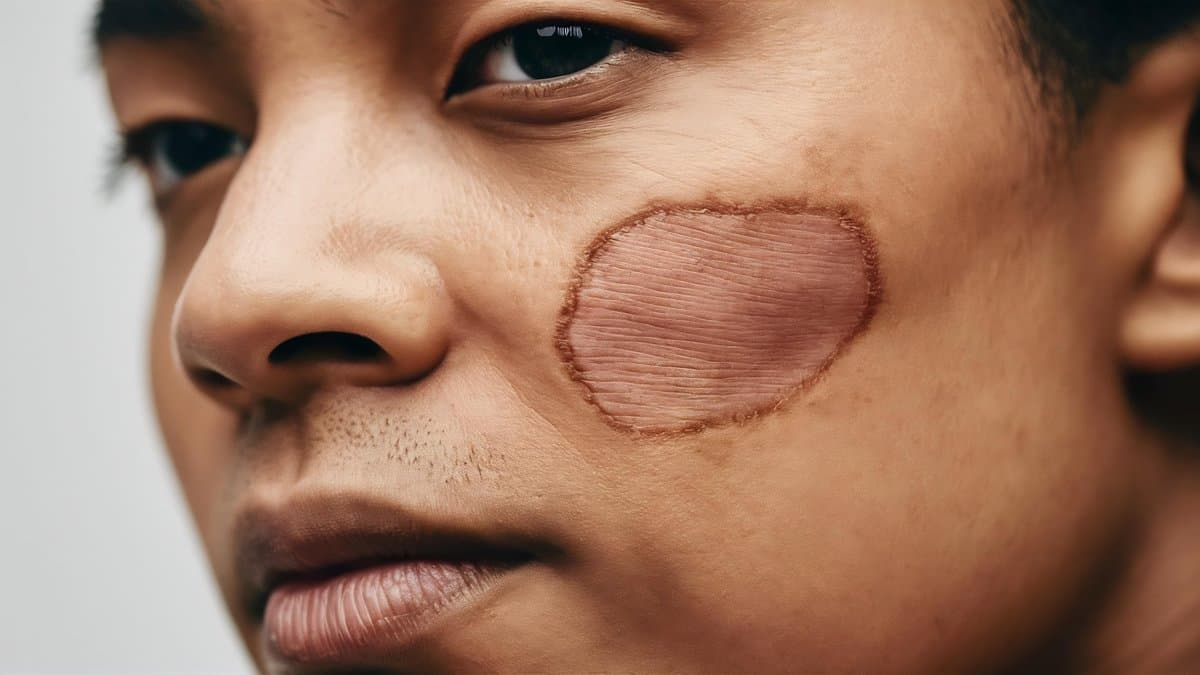
Tinea versicolor, also known as pityriasis versicolor, is a superficial fungal infection caused by an overgrowth of Malassezia yeast on the skin. This yeast naturally lives on everyone's skin without causing problems, but under certain conditions it can multiply excessively and interfere with normal skin pigmentation. The result is characteristic patches of discolored skin that can be lighter or darker than the surrounding areas. Despite its appearance, tinea versicolor is not a dangerous condition and is considered purely cosmetic in nature.
What Causes the Yeast to Overgrow?
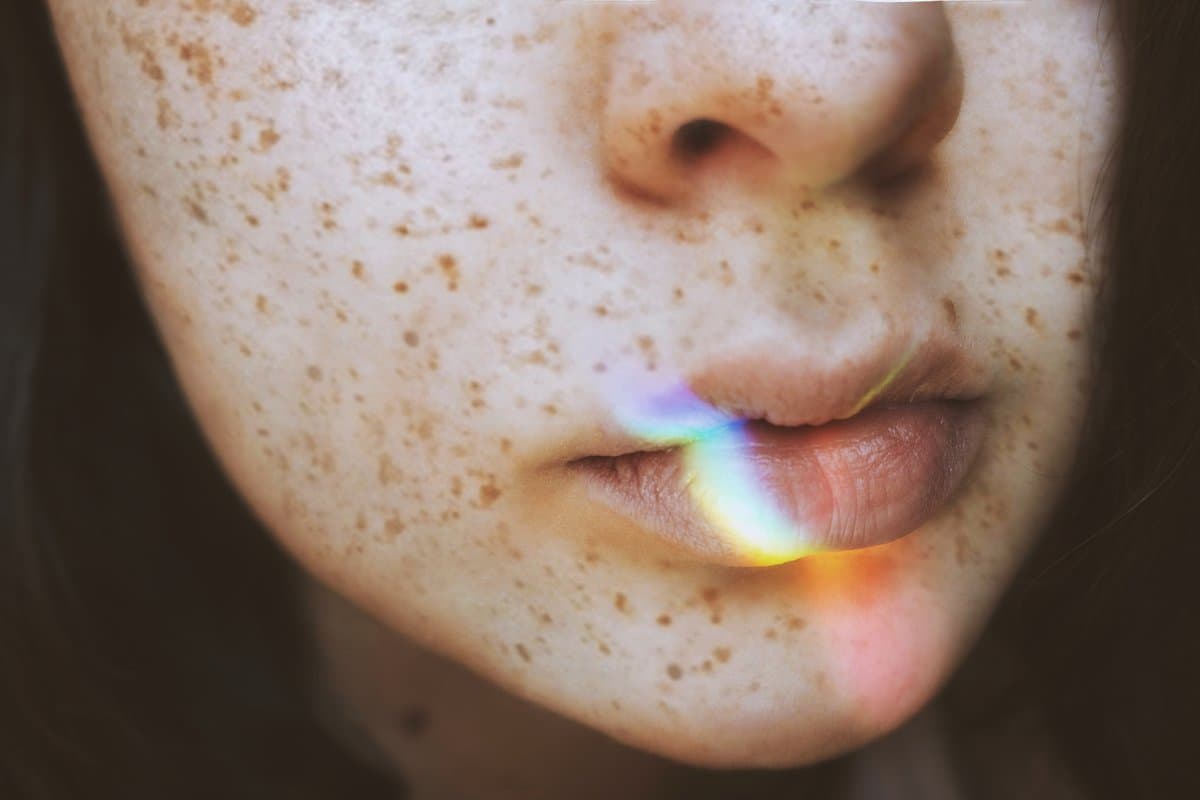
Malassezia yeast thrives in warm, humid environments, which is why tinea versicolor is more common in tropical and subtropical climates. Excessive sweating, oily skin, hormonal changes, and a weakened immune system can all trigger the overgrowth. Young adults and teenagers are particularly susceptible because their sebaceous glands are more active during this period of life. Using heavy, oil-based skincare products can also create a favorable environment for the yeast to proliferate.

How Does Tinea Versicolor Look?
The hallmark of tinea versicolor is patches of skin that are a different color from the surrounding area, often appearing on the chest, back, shoulders, and upper arms. On lighter skin tones, the patches tend to appear as pink, tan, or light brown spots, while on darker skin tones they often look lighter or hypopigmented. The patches may have a fine, scaly texture and can merge together to form larger irregular areas. Mild itching is possible, especially when sweating, but many people experience no discomfort at all.
Why It Becomes More Visible After Tanning
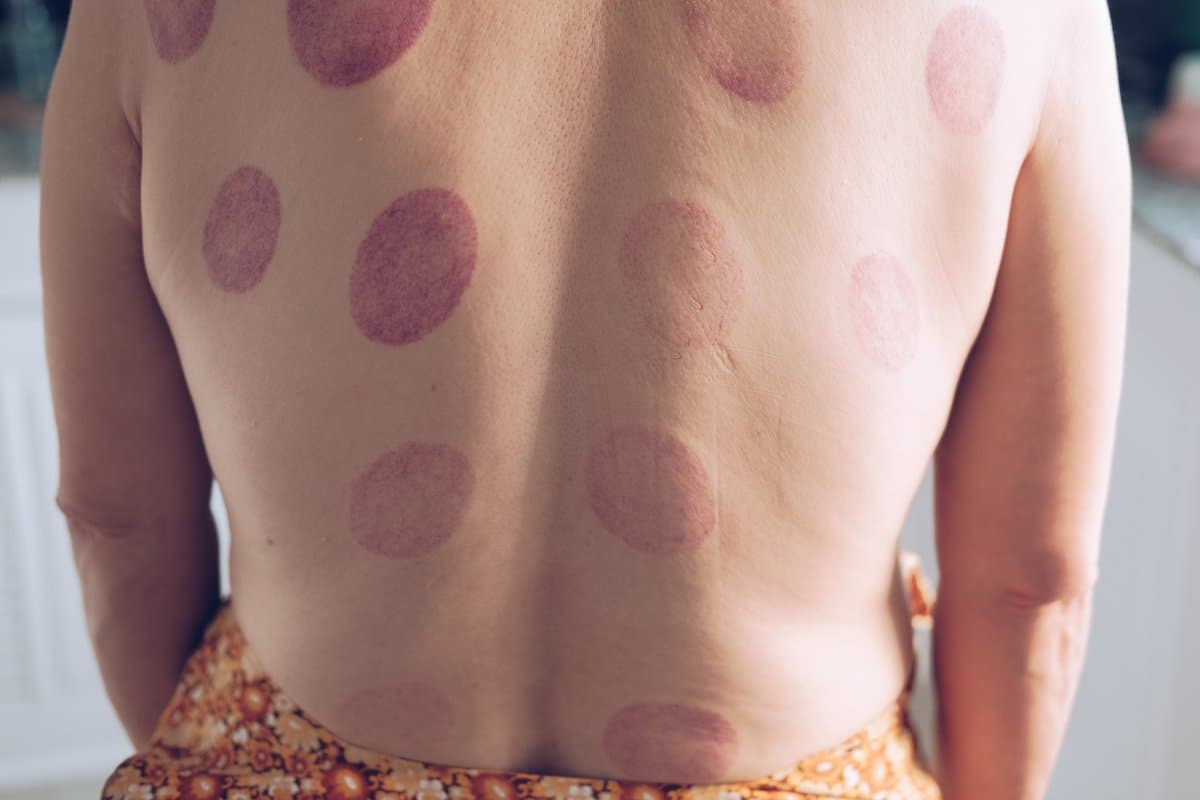
One of the most common reasons people notice tinea versicolor is after spending time in the sun or using a tanning bed. The Malassezia yeast produces azelaic acid, which inhibits melanin production in the affected patches of skin. When the surrounding skin tans normally but the affected areas cannot darken, the contrast becomes strikingly obvious. This effect can persist for weeks or even months after the infection is treated because the skin needs time to repigment evenly.

Treatment Options
Mild cases of tinea versicolor often respond well to over-the-counter antifungal treatments such as selenium sulfide shampoo or ketoconazole shampoo applied directly to the affected skin. For more widespread or persistent infections, a doctor may prescribe oral antifungal medication such as fluconazole or itraconazole for a short course. The infection itself typically clears within a few weeks of starting treatment, but the discoloration can take several months to fully resolve.!! It is important to complete the entire course of treatment even if the patches appear to be fading.

Recurrence and Prevention
Tinea versicolor is notorious for coming back, especially during warm and humid months. Many dermatologists recommend preventive measures such as using antifungal shampoo as a body wash once or twice a month during summer. Wearing loose-fitting, breathable clothing and showering promptly after heavy sweating can also help reduce recurrence. Some people with frequent flare-ups may benefit from a periodic short course of oral antifungal medication as a preventive strategy.
Is Tinea Versicolor Contagious?
Despite being caused by a microorganism, tinea versicolor is not considered contagious.!! The Malassezia yeast is a normal part of the skin flora that exists on virtually every person's body. The condition develops because of individual factors like skin chemistry, oil production, and immune response rather than through person-to-person transmission. You cannot catch tinea versicolor from sharing towels, clothing, or close physical contact with someone who has it.
Tracking Your Skin with Skinscanner
Monitoring skin changes over time can be valuable when managing a recurring condition like tinea versicolor. Skinscanner uses AI-powered image analysis to help you track discolored patches and observe how they respond to treatment. By regularly documenting your skin's appearance, you can identify patterns in flare-ups and discuss them more effectively with your dermatologist. Early detection of new patches means you can start treatment sooner and minimize the cosmetic impact of the condition.