

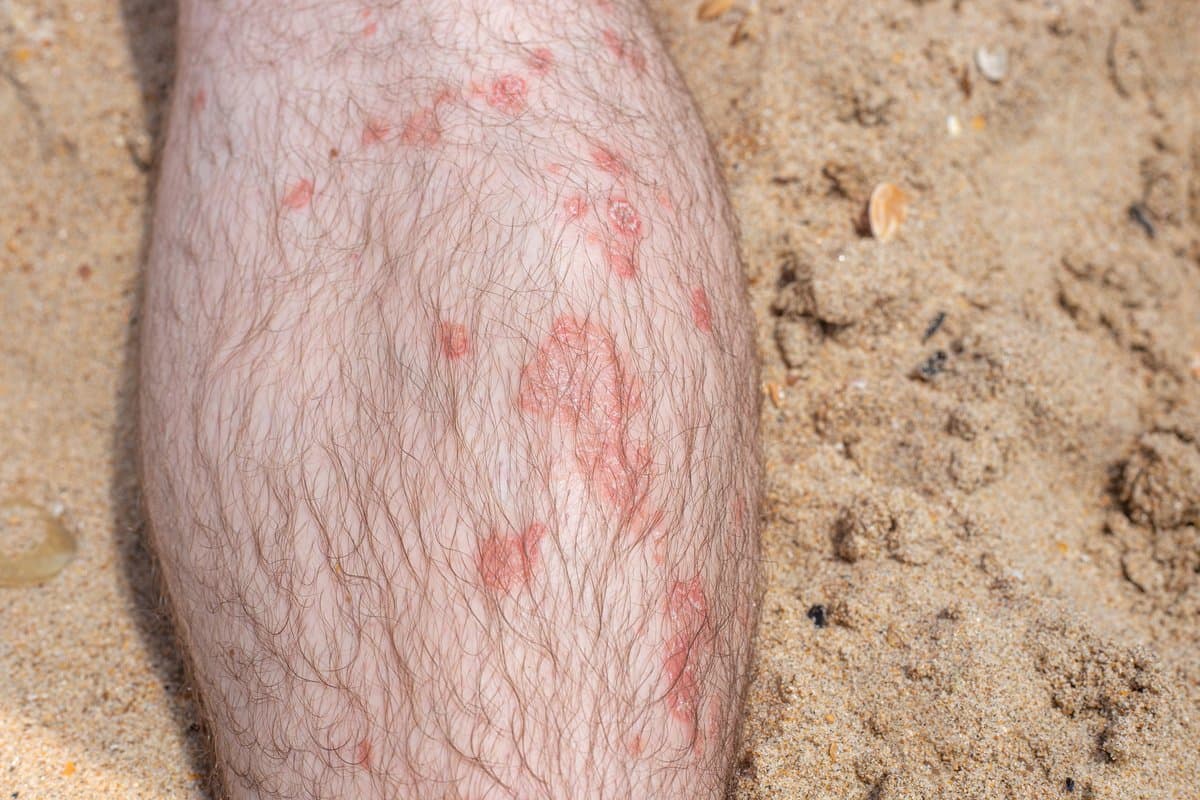
Kuelewa Tofauti Muhimu
Watu wengi hutumia neno kipanda uso kama neno la jumla kwa ajili ya kuanguka kwa ngozi kwenye ngozi ya kichwa, lakini kipanda uso na ngozi kavu ni hali tofauti zenye sababu tofauti zinazohitaji matibabu tofauti. Kuichanganya kunaweza kuleta mzunguko wa kukatisha tamaa wa bidhaa ambazo hazionekani kufanya kazi. Kipanda uso, ambacho kitaalamu kinajulikana kama dermatitis seborrheic ya ngozi ya kichwa, ni hali ya kuvimba inayosababishwa na kuongezeka kwa Malassezia, chachu inayopatikana kwa kawaida kwenye ngozi ya kichwa.
Wakati Malassezia inakula mafuta ya kichwa, inazalisha asidi oleiki kama bidhaa ya ziada, ambayo inakusababisha ngozi kuwasha kwa watu walio na hisia na kuanzisha mzunguko wa haraka wa seli. Kuanguka kwa haraka kwa seli za ngozi kunazalisha flake za kipekee. Flake za kipanda uso kwa kawaida ni za rangi ya njano au nyeupe, zikiwa na mafuta, na ni kubwa kwa kiasi.
Ngozi ya kichwa chini yake mara nyingi huwa nyekundu na kuvimba. Kipanda uso huonekana kuwa kibaya zaidi katika maeneo yenye mafuta na kinaweza kuathiri nyusi, mikunjo ya pua, na nyuma ya masikio pia. Kipanda uso kwa kweli huongezeka wakati ngozi ya kichwa ina mafuta zaidi, ambayo ni kinyume na ngozi kavu, hivyo kuosha mara kwa mara kwa shampoo sahihi yenye dawa kunaweza kuwa na manufaa badala ya madhara.!!
Ngozi kavu, kwa upande mwingine, inasababishwa na ukosefu wa unyevu kwenye ngozi. Flake za ngozi kavu kwa kawaida ni ndogo, nyeupe, na kavu badala ya kuwa na mafuta. Ngozi ya kichwa inaweza kujisikia kuwa ngumu na kuwasha lakini kwa kawaida haina rangi nyekundu na kuvimba kama inavyoonekana kwa kipanda uso.
Ngozi kavu mara nyingi inakuja pamoja na ngozi kavu sehemu nyingine za mwili na huongezeka wakati wa miezi ya baridi na kavu, katika mazingira ya ndani yenye joto, au baada ya kutumia shampoos kali ambazo zinakata mafuta ya asili ya ngozi ya kichwa. Kuosha mara nyingi, maji ya moto, na shampoos zenye sulfati ni sababu za kawaida. Kuelewa hali ulionayo huamua ikiwa unahitaji matibabu ya antifungal au urejeleaji wa unyevu.
Mikakati ya Matibabu Ambayo Hufanya Kazi
Kwa sababu kipanda uso na ngozi kavu vina sababu tofauti, kutumia matibabu yasiyo sahihi kunaweza kudumisha au kuharibu tatizo. Kwa kipanda uso, lengo kuu ni kudhibiti chachu ya Malassezia na kupunguza kuvimba kwa ngozi ya kichwa. Shampoos zenye dawa ni matibabu ya kwanza.
Viambato vya kazi vya kutafuta ni pamoja na zinc pyrithione, ambayo ina mali za antifungal na antibacterial, ketoconazole, antifungal yenye nguvu ya dawa inayopatikana pia kwa viwango vya chini bila dawa, selenium sulfide, ambayo inachelewesha mzunguko wa seli na kupunguza chachu, na coal tar, ambayo hupunguza kuanguka na kuvimba. Badilisha kati ya shampoos mbili tofauti zenye dawa ili kuzuia chachu kuendeleza upinzani. Acha shampoo kwenye ngozi ya kichwa yako kwa dakika tatu hadi tano kabla ya kuosha ili kuruhusu viambato vya kazi kufanya kazi.
Kwa ngozi kavu, mbinu ni tofauti kabisa. Badilisha kwa shampoo laini, isiyo na sulfati ambayo inasafisha bila kuondoa mafuta ya asili. Punguza mara za kuosha hadi mbili au tatu kwa wiki badala ya kila siku.
Tumia maji ya uvuguvugu badala ya maji ya moto, kwani maji ya moto yanaongeza kupoteza unyevu. Mafuta mepesi ya ngozi ya kichwa yanayojumuisha jojoba, argan, au squalane yanayotumika kwenye ngozi ya kichwa yenye unyevunyevu baada ya kuosha yanaweza kurejesha kizuizi cha lipid ambacho ngozi kavu ya kichwa inakosa bila kuanzisha kipanda uso.!! Kutumia humidifier wakati wa miezi kavu husaidia kudumisha viwango vya unyevu wa mazingira.
Ikiwa unatumia shampoo ya kipanda uso kwa kile ambacho kwa kweli ni ngozi kavu, viambato vya antifungal vya nguvu vinaweza kuondoa unyevu zaidi na kufanya kuanguka kuwa mbaya zaidi. Kwa upande mwingine, kutumia mafuta na viongeza vya utajiri kwenye ngozi ya kichwa yenye kipanda uso inakidhi chachu ya Malassezia na inaweza kuimarisha hali hiyo. Skinscanner inaweza kukusaidia kurekodi hali ya ngozi yako ya kichwa na kufuatilia jinsi inavyopokea matibabu tofauti, na kufanya iwe rahisi kubaini ni mbinu ipi inafanya kazi kwa hali yako maalum.
