
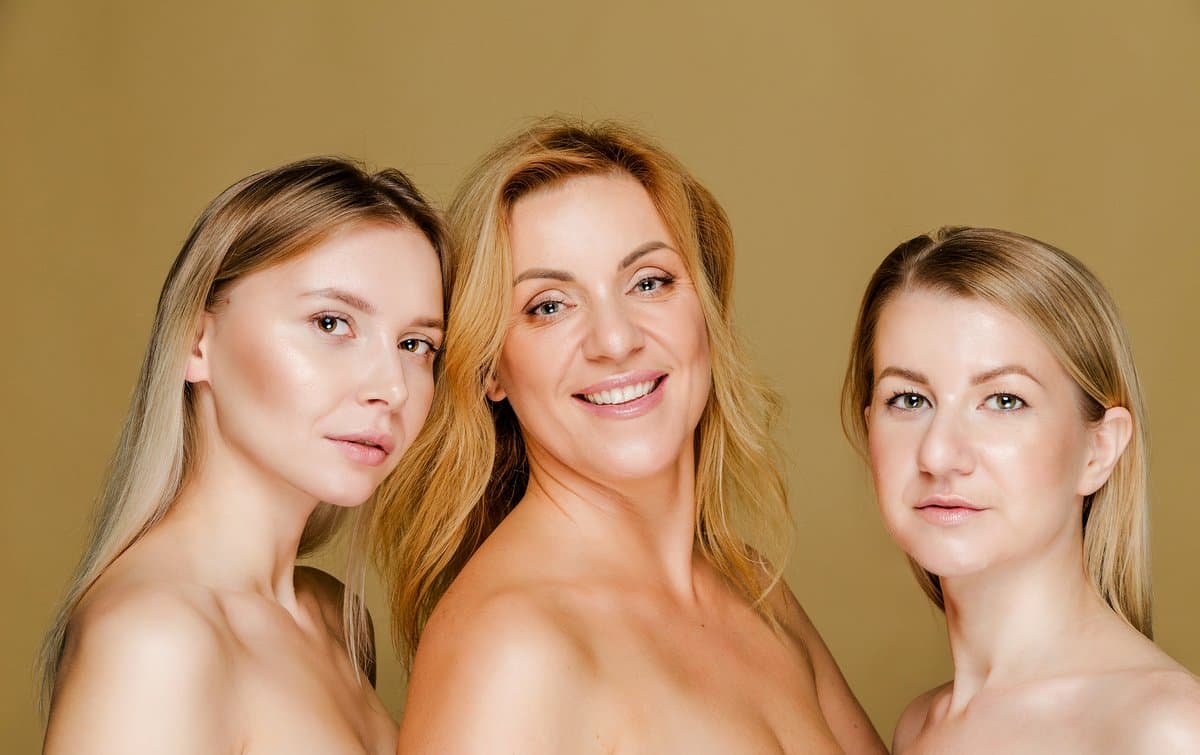
Como a Pele Muda ao Longo das Décadas
A sua pele não é um órgão estático — ela está constantemente mudando em resposta a alterações hormonais, exposição ambiental acumulada e ao processo natural de envelhecimento. Compreender essas mudanças ajuda você a ajustar sua rotina de forma proativa, em vez de reativa. Durante a puberdade, um aumento nos andrógenos faz com que as glândulas sebáceas produzam óleo em excesso, levando frequentemente à acne, poros dilatados e um brilho geral que os adolescentes acham frustrante.
Na sua vinte, a produção de óleo começa a se estabilizar, e a pele está geralmente em seu estado mais resiliente, mas os primeiros sinais de danos solares da infância começam a se infiltrar nas camadas mais profundas. A produção de colágeno atinge o pico por volta dos 25 anos e, em seguida, diminui cerca de 1% ao ano. Na sua trinta, você começa a notar os primeiros sinais visíveis de envelhecimento — linhas finas ao redor dos olhos, uma leve perda de elasticidade e o surgimento de tom de pele irregular ou manchas solares precoces.
A renovação celular desacelera, o que significa que sua pele pode parecer mais opaca e leva mais tempo para se recuperar de erupções ou lesões. Aos quarenta e além, a perda cumulativa de colágeno se torna visivelmente aparente: rugas mais profundas, flacidez ao longo da linha da mandíbula, pele mais fina que se machuca mais facilmente e manchas de idade ou melasma pronunciadas. Mudanças hormonais, particularmente a perimenopausa e a menopausa nas mulheres, levam à diminuição do estrogênio, o que acelera ainda mais a degradação do colágeno e reduz a hidratação da pele.
Os homens experimentam essas mudanças de forma mais gradual devido à taxa mais lenta de declínio do colágeno, mas não estão imunes. Cada década exige ajustes na sua abordagem de cuidados com a pele, e o que funcionou bem aos vinte pode ser insuficiente aos quarenta.
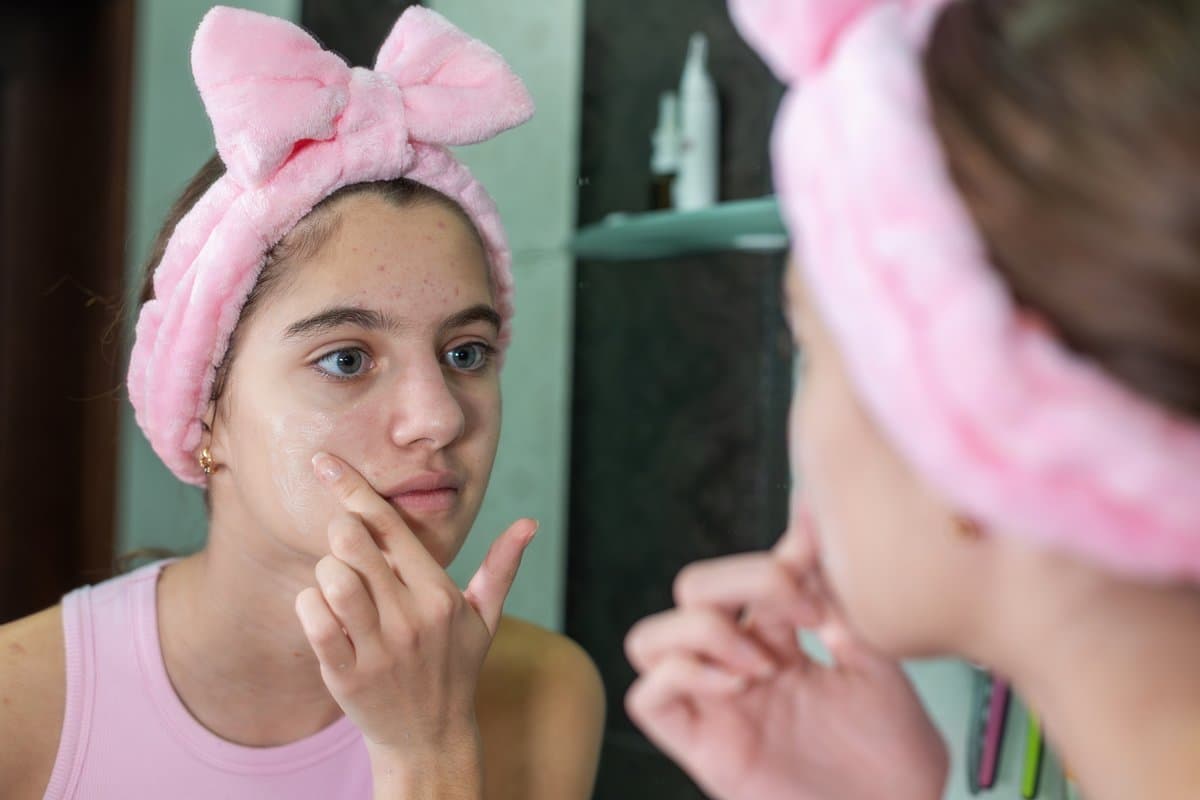
Adolescentes: Gerenciando a Acne e Construindo Bons Hábitos
Os anos adolescentes são quando a maioria das pessoas desenvolve pela primeira vez uma relação com os cuidados com a pele, e os hábitos formados durante esse período podem definir o tom para as próximas décadas. A principal preocupação para a maioria dos adolescentes é a acne, impulsionada pela turbulência hormonal da puberdade. Uma rotina simples e consistente é muito mais eficaz para a acne adolescente do que um arsenal agressivo de produtos, que muitas vezes danifica a barreira da pele e piora as erupções!!
A rotina ideal para adolescentes começa com um limpador suave, sem sulfatos, usado duas vezes ao dia. Lavar em excesso ou usar esfoliantes agressivos remove óleos protetores e desencadeia a produção de óleo em excesso, perpetuando o próprio problema que você está tentando resolver. Para acne leve, um produto contendo peróxido de benzoíla a 2,5% de concentração é tão eficaz quanto concentrações mais altas, mas causa menos ressecamento e irritação.
O ácido salicílico a 0,5 a 2% é uma excelente alternativa para adolescentes que acham o peróxido de benzoíla muito secante, pois desobstrui os poros enquanto reduz a inflamação. Mesmo a pele adolescente oleosa e propensa a acne precisa de um hidratante leve — pule esta etapa e sua pele compensa produzindo mais óleo. Um protetor solar de amplo espectro com FPS 30 completa a rotina e é especialmente importante para adolescentes que usam medicamentos para acne que aumentam a fotossensibilidade.
O que os adolescentes devem evitar é igualmente importante: espremer ou estourar espinhas leva bactérias para mais fundo e aumenta dramaticamente o risco de cicatrizes permanentes. Maquiagem pesada aplicada para cobrir erupções muitas vezes obstrui ainda mais os poros. E a crença generalizada de que a acne é causada por pele suja leva a uma limpeza excessiva que piora o problema. Paciência é essencial — a maioria dos tratamentos para acne requer de seis a oito semanas de uso consistente antes que os resultados se tornem visíveis.

20s: Prevenção, Proteção e Ativos Iniciais
Seus vinte são a década dourada para a prevenção nos cuidados com a pele. A pele ainda é jovem e resiliente, a produção de colágeno está em seu pico ou próximo dele, e qualquer dano que você prevenir agora traz dividendos exponenciais mais tarde. A coisa mais importante que você pode fazer na sua vinte é se comprometer com o protetor solar de amplo espectro diariamente.
Leia nosso guia completo de proteção solar para mais detalhes. Este único hábito previne mais envelhecimento visível do que qualquer sérum ou tratamento que você poderia usar. Além da proteção solar, seus vinte são o momento ideal para introduzir seus primeiros ingredientes ativos.
O sérum de vitamina C, aplicado pela manhã sob o protetor solar, fornece defesa antioxidante contra danos de radicais livres da exposição ao UV e poluição, enquanto ilumina a pele. Começar um retinoide no meio ou final dos vinte é uma das decisões mais impactantes que você pode tomar em relação aos cuidados com a pele, pois ele constrói colágeno, acelera a renovação celular e previne as linhas finas e mudanças de textura que se tornam visíveis na próxima década!! Comece com um retinol de baixa concentração duas a três vezes por semana e aumente gradualmente.
A esfoliação se torna mais relevante na sua vinte, à medida que a renovação celular começa a desacelerar em comparação com a taxa de renovação rápida da adolescência. Um esfoliante químico suave contendo ácido glicólico ou ácido lático uma ou duas vezes por semana ajuda a manter o brilho. Séruns de ácido hialurônico fornecem hidratação leve e não oleosa que se adapta à produção de óleo tipicamente mais equilibrada dos vinte.
Esta também é a década para estabelecer boas fundações de estilo de vida: sono adequado, nutrição equilibrada, consumo moderado de álcool e gerenciamento do estresse têm todos efeitos mensuráveis na qualidade da pele. Um hábito a ser quebrado, se você ainda não o fez, é o bronzeamento — tanto ao ar livre quanto em ambientes fechados. Não existe tal coisa como um bronzeado seguro, e o dano se acumula invisivelmente até se tornar irreversível.
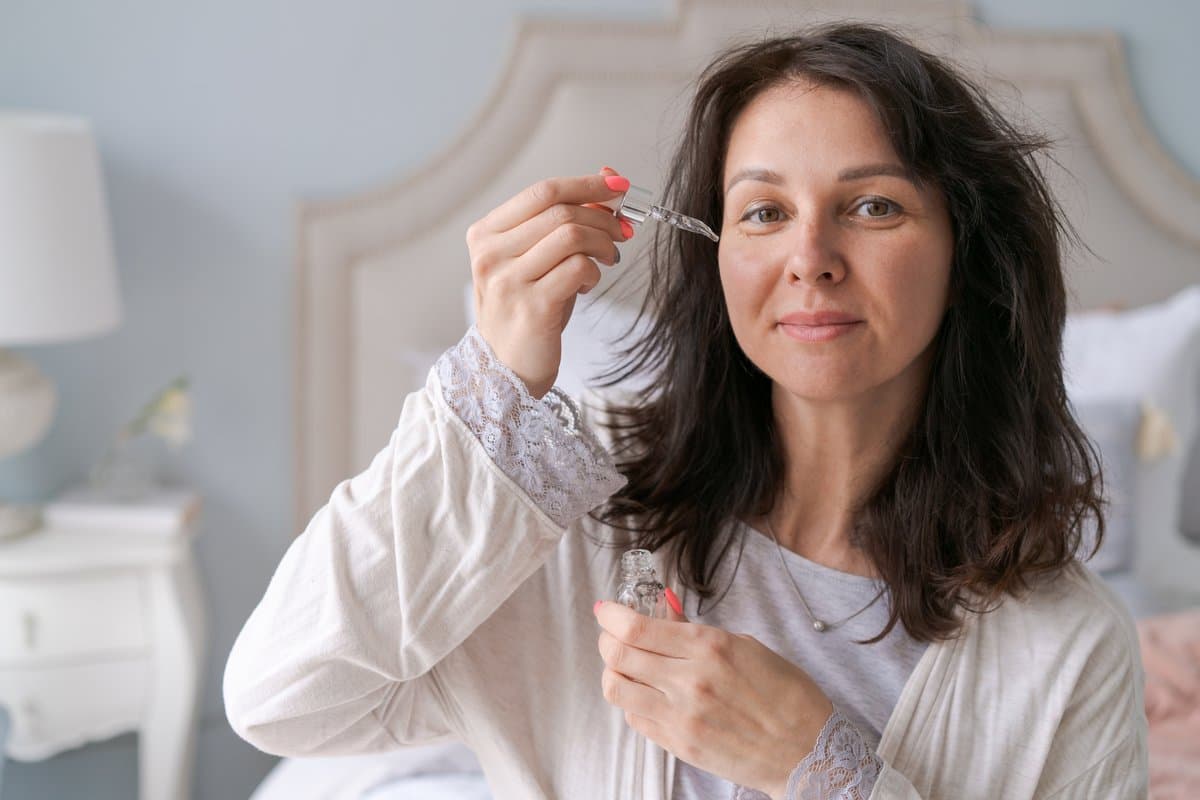
30s: Tratamentos Direcionados e Suporte ao Colágeno
Os trinta marcam a transição da prevenção para a intervenção ativa. Linhas finas começam a aparecer, tipicamente ao redor dos olhos e da testa primeiro. A pele pode parecer mais opaca à medida que a renovação celular continua a desacelerar, e os primeiros sinais de hiperpigmentação ou tom irregular surgem de anos de exposição solar acumulada.
A perda de colágeno se torna mensurável — você está agora perdendo cerca de 1% do seu colágeno total por ano — e as fibras de elastina começam a se fragmentar. Se você ainda não começou a usar um retinoide, agora é a hora, sem negociação. O tretinoína de prescrição é a opção mais eficaz para estimular a produção de colágeno e reverter os primeiros danos causados pelo sol, embora o retinol e o retinaldeído de venda livre sejam alternativas válidas para aqueles que acham o tretinoína muito irritante.
Atualize sua vitamina C para uma formulação estável e de alta potência com concentração de 15 a 20% para máxima proteção antioxidante e suporte à síntese de colágeno. Produtos contendo peptídeos também se tornam úteis nos trinta — os peptídeos são cadeias de aminoácidos que sinalizam à pele para produzir mais colágeno e elastina. O creme para os olhos ganha seu lugar na rotina agora, direcionando a pele periorbital mais fina e delicada que mostra sinais de envelhecimento primeiro.
O niacinamida a 5% aborda múltiplas preocupações simultaneamente: fortalecendo a barreira, uniformizando o tom, minimizando poros e reduzindo linhas finas. As necessidades de hidratação geralmente aumentam nos trinta, então considere aplicar um sérum de ácido hialurônico sob um hidratante mais rico do que o que você usou nos vinte. Para mulheres que experimentam erupções hormonais ao longo da linha da mandíbula, uma consulta sobre opções de tratamento hormonal pode ser valiosa.
Tratamentos profissionais como peelings químicos ou microagulhamento podem fornecer um impulso visível à produção de colágeno, mas os cuidados diários consistentes permanecem a base sobre a qual esses tratamentos se constroem. Veja nosso guia sobre a rotina de cuidados com a pele definitiva para mais.
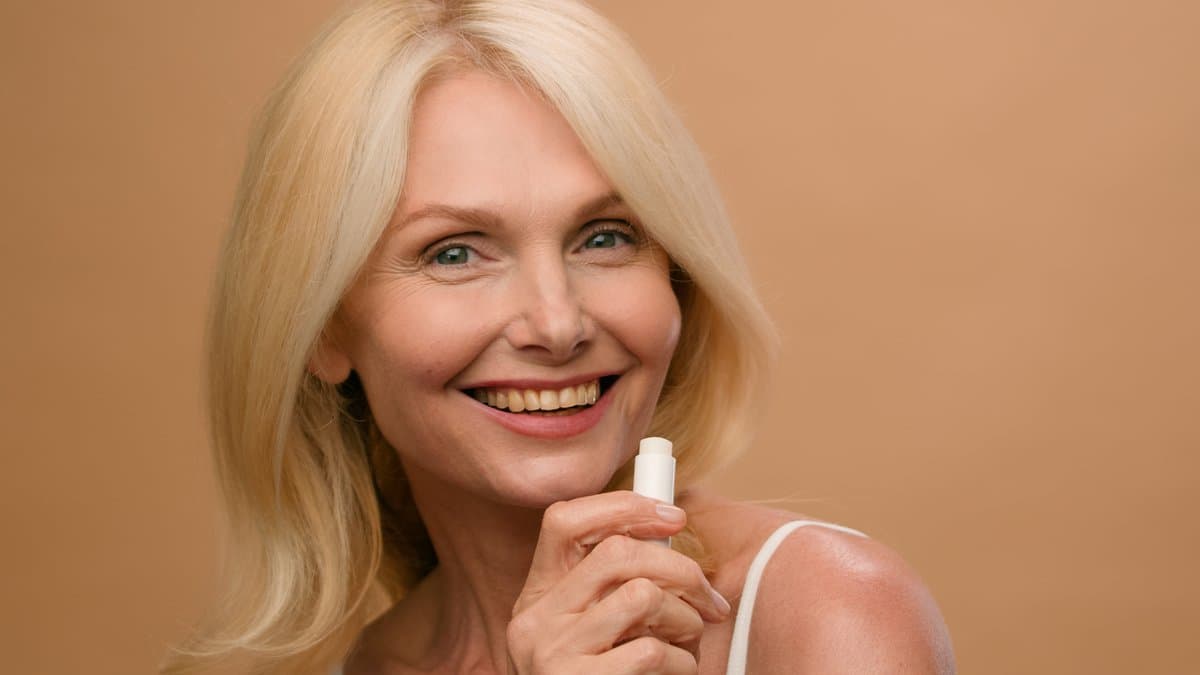
Aos 40 e Além: Estratégias de Hidratação Profunda e para Pele Madura
Quando você chega aos quarenta anos e além, os efeitos cumulativos do envelhecimento intrínseco, mudanças hormonais e exposição ambiental tornam-se inegavelmente visíveis. A pele fica mais fina, seca e menos elástica. Rugas profundas se formam, a linha da mandíbula se suaviza, os poros podem parecer maiores devido à perda da estrutura de suporte ao redor, e manchas senis tornam-se mais proeminentes.
Para mulheres que estão se aproximando ou já estão na menopausa, a queda nos níveis de estrogênio leva a uma aceleração significativa na perda de colágeno — até 30 por cento nos primeiros cinco anos de menopausa — juntamente com a diminuição da produção de óleo e a retenção de umidade comprometida. A rotina nesta fase deve priorizar a hidratação profunda e a nutrição rica. Troque para um limpador à base de creme ou óleo que não remova a umidade.
Aplique um sérum de ácido hialurônico com um sérum rico em peptídeos para suporte máximo ao colágeno, e selar tudo com um hidratante rico e emoliente contendo ceramidas e esqualano. Os retinoides continuam sendo essenciais, mas podem precisar ser usados em concentrações mais suaves ou com menos frequência se a pele se tornar mais reativa com a idade. Séruns de fatores de crescimento, embora mais caros, têm evidências emergentes para apoiar a renovação da pele em peles maduras.
Para hiperpigmentação e manchas senis, ingredientes como ácido tranexâmico, alfa-arbutina e ácido azelaico podem ajudar a uniformizar o tom sem a irritação que a hidroquinona pode causar em peles mais finas e secas. Tratamentos profissionais tornam-se mais valiosos nesta fase: resurfacing a laser fracionado, microneedling com radiofrequência e tratamentos injetáveis podem abordar preocupações que produtos tópicos sozinhos não conseguem. No entanto, nenhum tratamento profissional substitui uma rotina diária sólida.
O protetor solar continua sendo tão crítico — possivelmente mais — porque a pele mais fina com menos melanina oferece menos proteção natural. Os quarenta não são tarde demais para começar uma rotina eficaz. A pele responde a bons cuidados em qualquer idade, e as melhorias de um cuidado consistente e apropriado são visíveis em semanas, independentemente de quando você começar.