

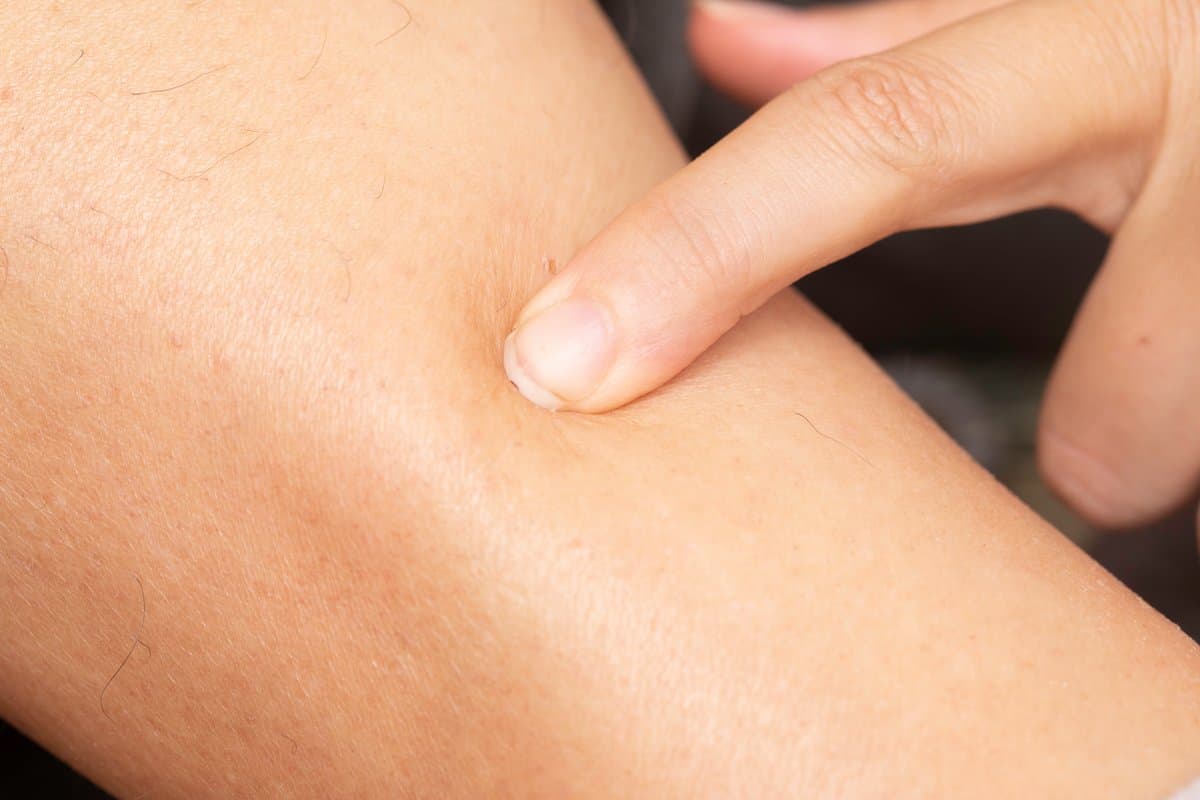
What Keratosis Pilaris Looks Like and Why It Happens
Those small, rough bumps on your upper arms that feel like permanent goosebumps have a name: keratosis pilaris, often abbreviated as KP. This extremely common skin condition affects an estimated 40 to 50 percent of adults and up to 80 percent of adolescents worldwide, making it one of the most prevalent dermatological conditions in existence. Keratosis pilaris occurs when keratin, a hard protein that protects the skin, builds up and forms plugs within individual hair follicles.
These keratin plugs create the characteristic small, rough, skin-colored, or slightly reddened bumps that are most commonly found on the outer upper arms, though they can also appear on the thighs, buttocks, and cheeks. The bumps are usually painless but can feel rough or sandpaper-like to the touch and may be accompanied by mild itching, especially when the skin is dry. The condition has a strong genetic component and often runs in families.
It is also more common in people with other dry skin conditions like eczema, asthma, or hay fever, a cluster known as the atopic triad. Keratosis pilaris is entirely harmless and has no connection to any serious health condition, but many people find the bumpy texture and occasional redness cosmetically bothersome, especially during warmer months when arms are more exposed.!! Hormonal changes during puberty and pregnancy can influence its severity, and many people notice that their KP naturally improves with age, often fading significantly after their thirties. Dry environments, cold weather, and low humidity tend to worsen the condition by increasing keratin buildup and reducing the skin's natural moisture content.
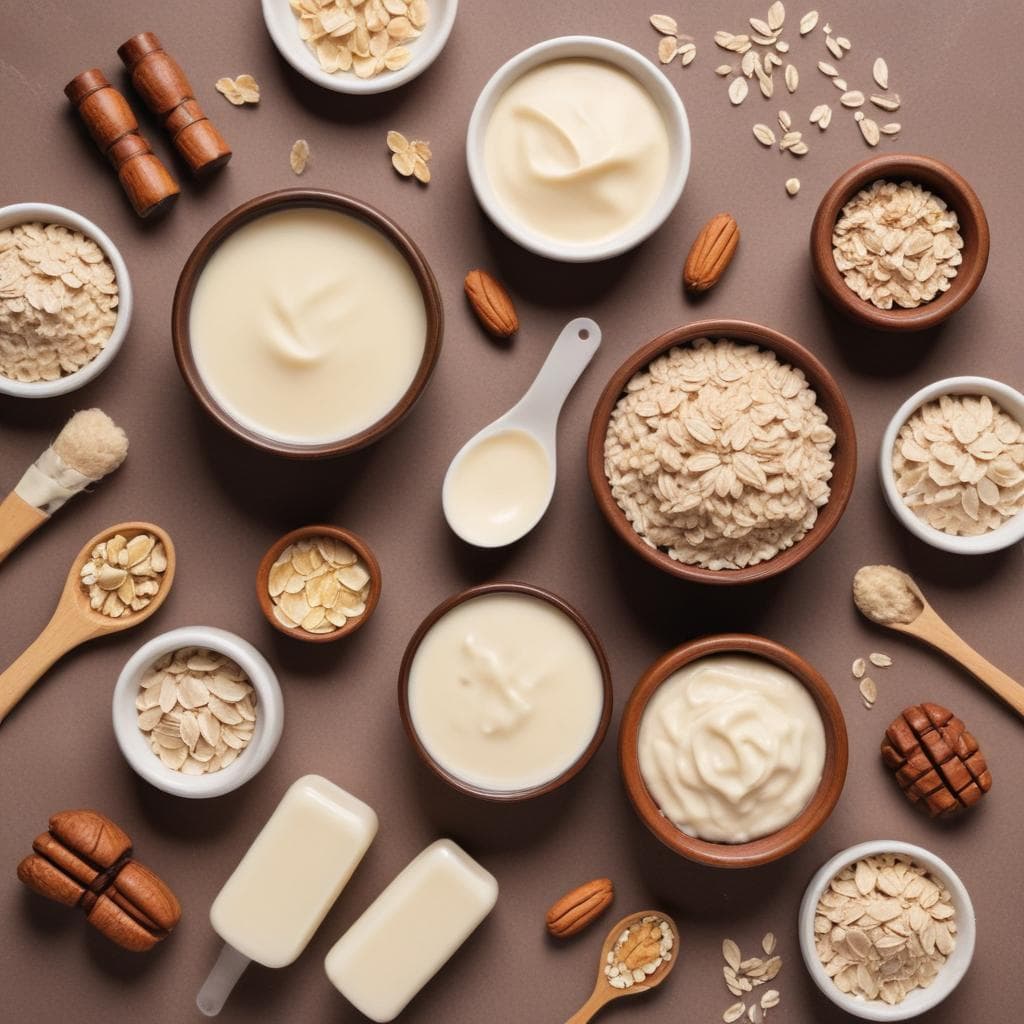
Effective Treatments for Smoother Skin
While keratosis pilaris cannot be permanently cured since the underlying tendency to produce excess keratin is genetic, it can be managed very effectively with consistent care. The foundation of KP treatment is a combination of gentle exfoliation to remove keratin plugs and intensive moisturizing to keep the skin soft and prevent new plugs from forming. Chemical exfoliants are far more effective and less irritating than physical scrubs for KP.
Look for body lotions or creams containing alpha-hydroxy acids like lactic acid or glycolic acid at concentrations of 10 to 15 percent. These acids dissolve the keratin plugs and promote smoother cell turnover. Urea-based creams at 20 to 40 percent concentration are another excellent option, as urea both exfoliates and deeply hydrates simultaneously.
Salicylic acid, a beta-hydroxy acid, penetrates into the follicle to break up keratin plugs from the inside and works well for more stubborn cases. Apply your chosen exfoliating product to the affected areas once or twice daily, ideally after a shower when the skin is still slightly damp. Follow with a rich, fragrance-free moisturizer to seal in hydration.
Results from consistent KP treatment typically become visible within four to six weeks, but the bumps will gradually return if you stop treatment, so building these steps into your permanent body care routine is essential for lasting smoothness.!! Avoid harsh physical scrubs, loofahs, and aggressive rubbing, as these can irritate the follicles and trigger inflammation that makes the redness worse. In warm, humid weather, you may notice natural improvement since moisture in the air helps keep skin hydrated. If over-the-counter treatments provide insufficient improvement, a dermatologist can prescribe stronger retinoid creams or higher-concentration exfoliants.
