
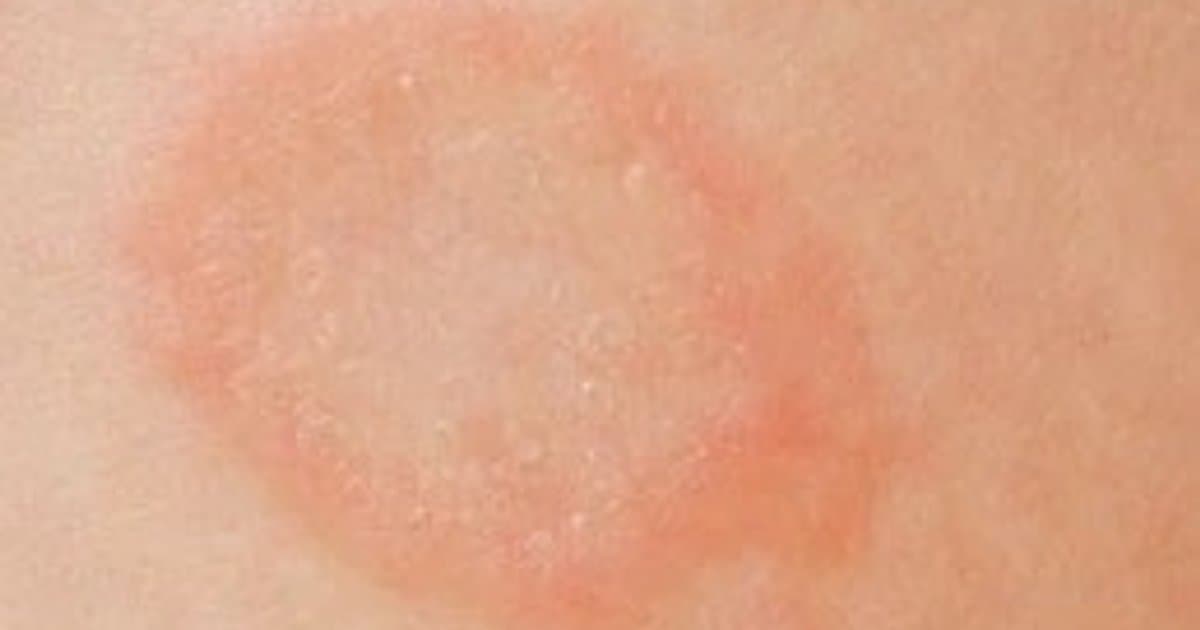
โรค Pityriasis Rosea คืออะไร?
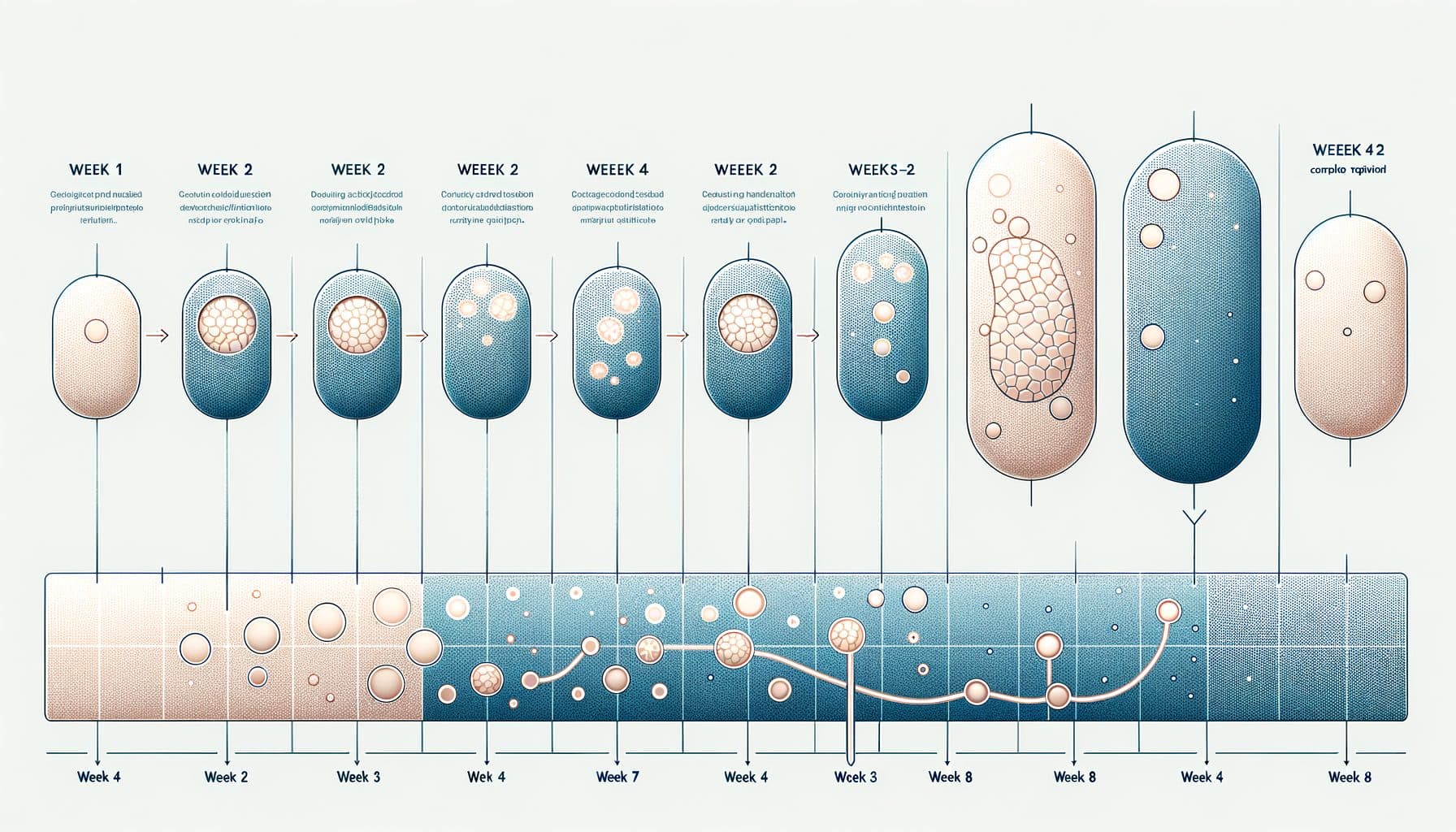
โรค Pityriasis rosea เป็นการระเบิดของผิวหนังที่เฉียบพลันและมีการจำกัดตัวเอง ซึ่งมักเกิดขึ้นกับผู้ใหญ่ที่มีอายุระหว่าง 10 ถึง 35 ปี โดยอาการจะเริ่มต้นด้วยแผ่นป้ายขนาดใหญ่เพียงแผ่นเดียว — เรียกว่าแผ่นป้ายเฮอัลด์หรือแผ่นป้ายแม่ — ตามด้วยแผลเล็ก ๆ รูปไข่จำนวนมากที่บริเวณลำตัว ชื่อโรคมาจากลักษณะสีชมพูและการลอกเป็นขุยที่ละเอียด ผื่นมักจะหายไปอย่างสมบูรณ์และไม่มีรอยแผลเป็นภายใน 6–12 สัปดาห์ โรคนี้เกิดขึ้นทั่วโลกโดยมีแนวโน้มที่จะเกิดขึ้นในฤดูใบไม้ผลิและฤดูใบไม้ร่วงเล็กน้อย
สาเหตุและปัจจัยกระตุ้น
สาเหตุที่แน่นอนยังไม่ได้รับการยืนยัน แต่มีหลักฐานที่ชัดเจนชี้ให้เห็นถึงการกระตุ้นใหม่ของไวรัสเริมชนิดที่ 6 และ 7 ของมนุษย์ (HHV-6/7) ซึ่งเป็นไวรัสที่แพร่หลายที่ผู้คนส่วนใหญ่ติดเชื้อในช่วงวัยเด็ก โรค Pityriasis rosea เกิดขึ้นบ่อยขึ้นในฤดูใบไม้ผลิและฤดูใบไม้ร่วง และบางครั้งปรากฏในกลุ่มภายในชุมชน ยาบางชนิดสามารถกระตุ้นให้เกิดผื่นที่คล้ายกัน (Pityriasis rosea ที่เกิดจากยา) รวมถึง ACE inhibitors, สารประกอบทองคำ และบางชนิดของยาชีวภาพ

อาการและการดำเนินโรค
แผ่นป้ายเฮอัลด์ปรากฏเป็นจุดรูปไข่ขนาด 2–5 ซม.
การวินิจฉัยและการวินิจฉัยแยกโรค
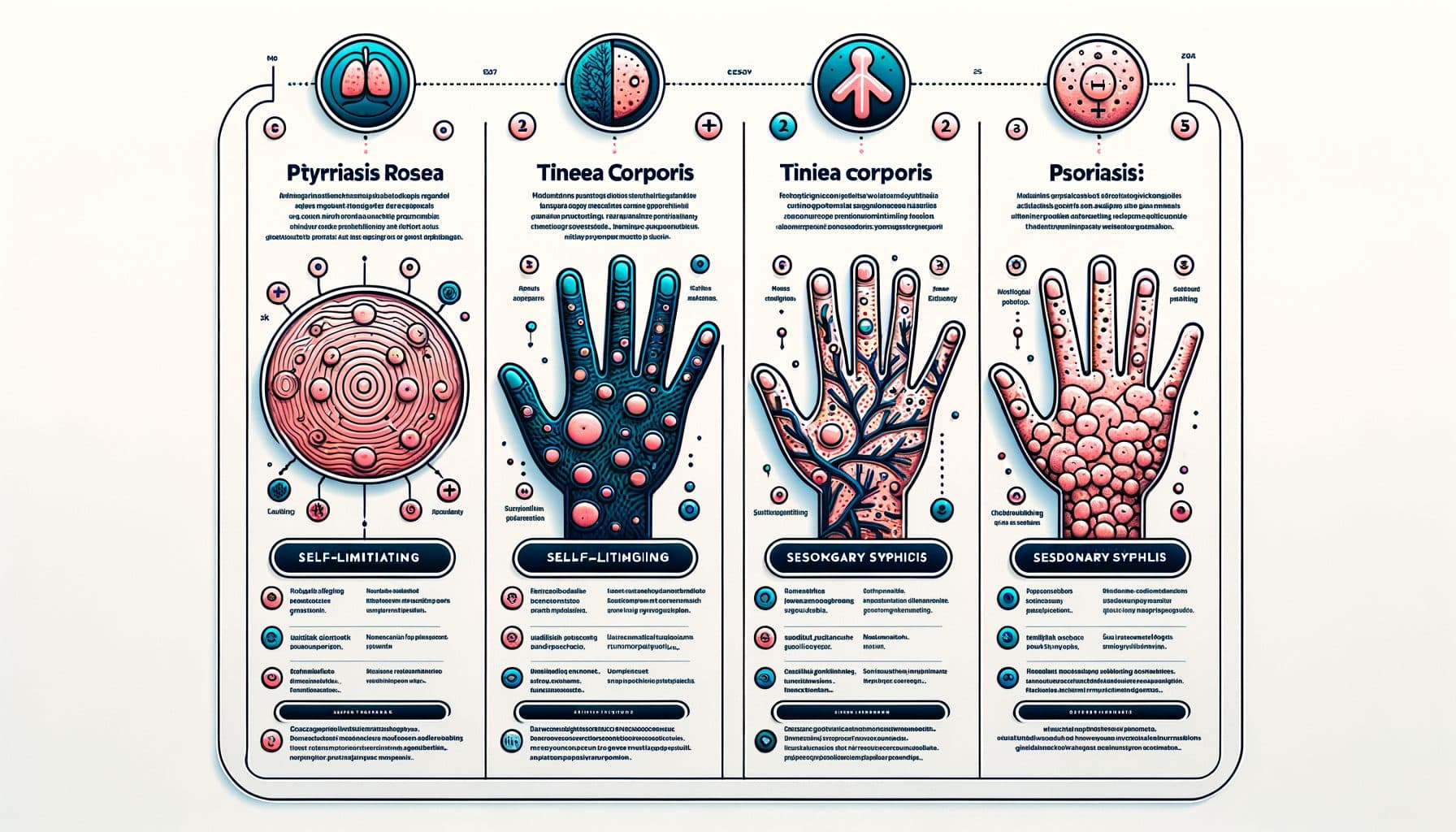
การวินิจฉัยแยกโรคที่สำคัญได้แก่ ซิฟิลิสทุติยภูมิ (การตรวจ VDRL/RPR ในผู้ป่วยที่มีความเสี่ยง), โรคเชื้อราที่ผิวหนัง (การตรวจ KOH), โรคสะเก็ดเงินแบบหยด และผื่นที่เกิดจากยา!!
การรักษา
เนื่องจากโรค Pityriasis rosea เป็นโรคที่จำกัดตัวเอง การรักษาจึงมุ่งเน้นไปที่การบรรเทาอาการ สำหรับอาการคัน ยาต้านฮิสตามีนชนิดรับประทาน โลชั่นมินต์หรือคาลามีนทาผิว และคอร์ติโคสเตียรอยด์ชนิดอ่อนช่วยได้ ครีมบำรุงช่วยให้ผิวหนังมีความยืดหยุ่น การบำบัดด้วย UVB สามารถเร่งการหายตัวในกรณีที่มีอาการคันรุนแรง การศึกษาบางชิ้นแนะนำว่าการใช้ยา Acyclovir ขนาดสูงในระยะเริ่มต้นอาจมีผลดี แต่ไม่ได้เป็นการรักษามาตรฐาน การสัมผัสกับแสงแดดในระดับปานกลางอาจช่วยสนับสนุนการหายตัว

การพยากรณ์และข้อพิจารณาพิเศษ
ในระหว่างตั้งครรภ์ — โดยเฉพาะในไตรมาสแรก — โรคผื่นกุหลาบมีความเกี่ยวข้องกับความเสี่ยงที่เพิ่มขึ้นเล็กน้อยต่อภาวะแทรกซ้อน; ผู้หญิงตั้งครรภ์ควรแจ้งแพทย์ของตน!!

การวิเคราะห์ผิวด้วย AI สามารถช่วยได้อย่างไร
เมื่อผื่นปรากฏขึ้นอย่างกะทันหันบนลำตัวของคุณ เป็นเรื่องธรรมชาติที่จะรู้สึกกังวล Skinscanner สามารถช่วยคุณประเมินว่าลักษณะผื่นของคุณสอดคล้องกับโรคผื่นกุหลาบหรือไม่ โดยการวิเคราะห์รูปร่างรีลักษณะเฉพาะ รูปแบบของเกล็ด และการกระจายตามแนวความตึงของผิว การถ่ายภาพแผ่นป้ายแรกและติดตามการระเบิดที่ตามมาจะให้เอกสารที่มีค่าเกี่ยวกับการดำเนินโรคที่เป็นปกติ สิ่งนี้มีประโยชน์โดยเฉพาะในการยืนยันการวินิจฉัยและแยกโรคผื่นกุหลาบออกจากโรคอื่น ๆ เช่น โรคกลากหรือซิฟิลิสรองที่อาจมีลักษณะคล้ายกัน การถ่ายภาพต่อเนื่องยังช่วยให้คุณติดตามกระบวนการหายและตรวจสอบว่าผื่นยังคงอยู่เกินเวลาที่คาดหวังหรือไม่ Skinscanner ไม่สามารถทดแทนการประเมินทางการแพทย์ได้ — โดยเฉพาะขั้นตอนที่สำคัญในการตัดสิทธิ์ซิฟิลิส — แต่ให้คำแนะนำเบื้องต้นที่สร้างความมั่นใจและช่วยให้คุณตัดสินใจว่าเมื่อใดควรปรึกษาผู้เชี่ยวชาญ