What Is Nodular Melanoma?
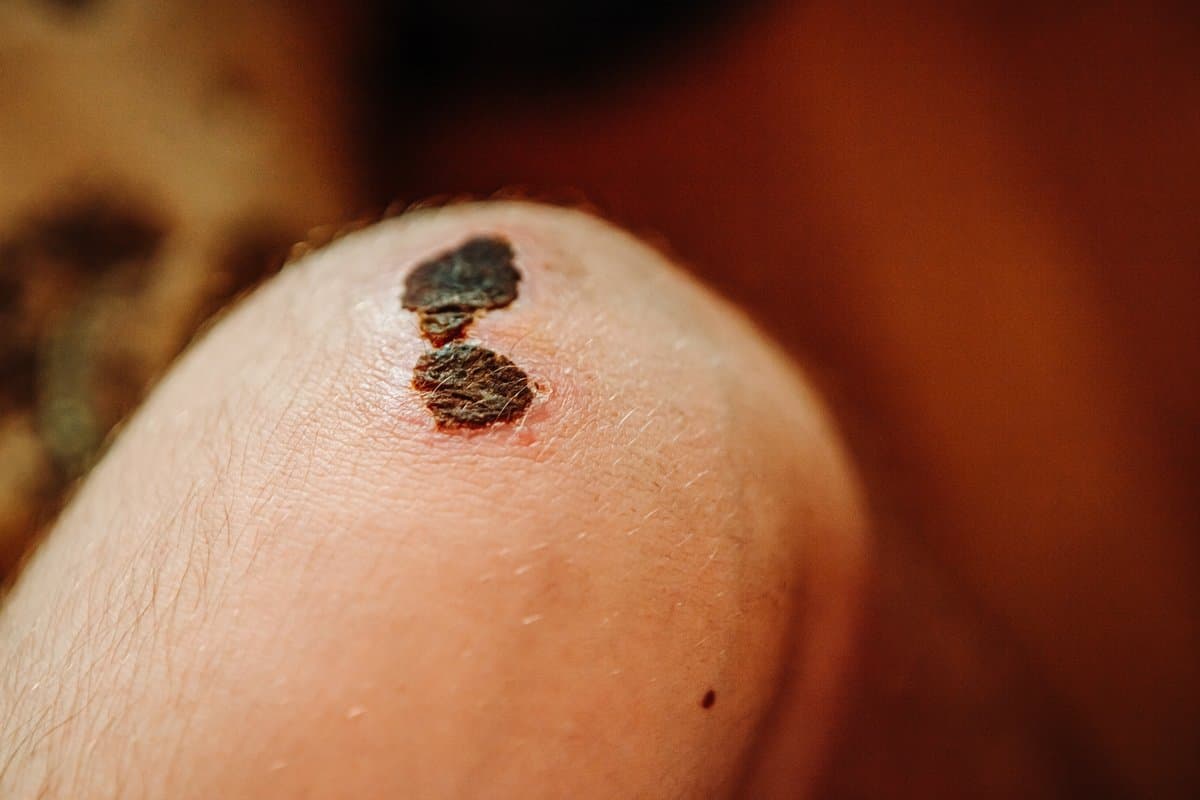
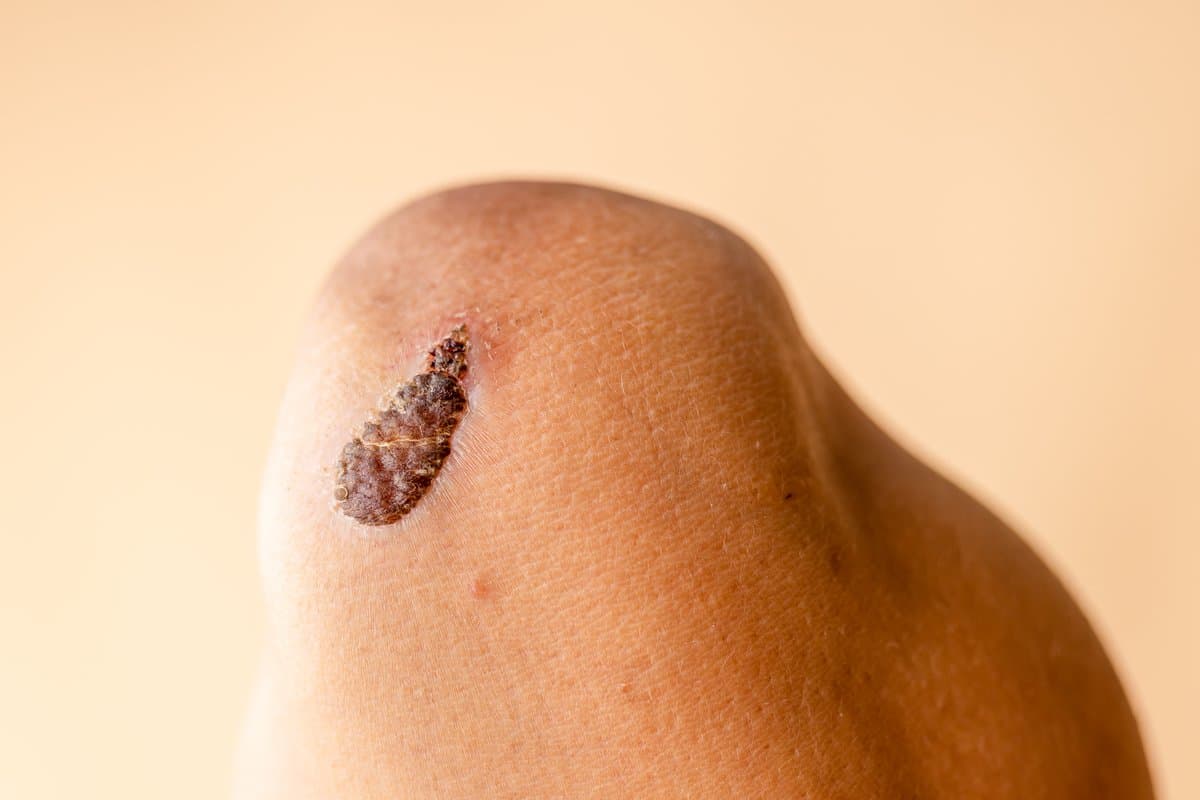
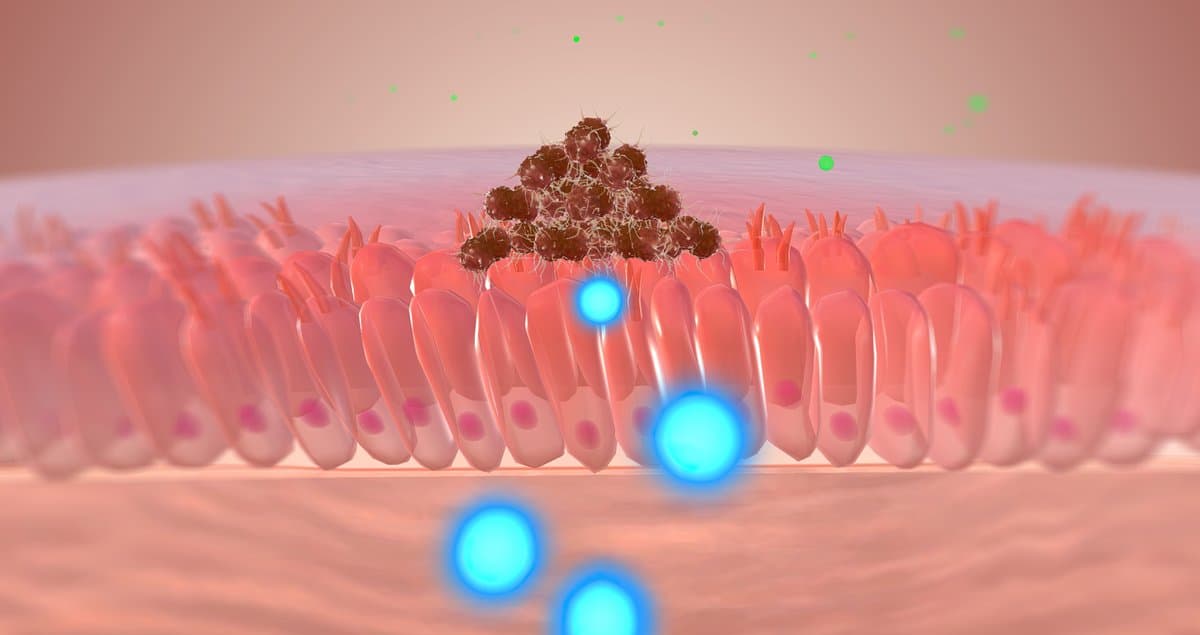
Nodular melanoma is the second most common type of melanoma, accounting for approximately 15 to 20 percent of all melanoma diagnoses. Unlike superficial spreading melanoma, which grows outward across the skin before penetrating deeper layers, nodular melanoma invades vertically into the skin from the very beginning. This vertical growth pattern makes it the most aggressive and dangerous subtype of melanoma. It typically appears as a rapidly growing, dome-shaped or raised bump that can be dark brown, black, or even pink or skin-colored in amelanotic cases.
Why It Is So Dangerous
The danger of nodular melanoma lies in its growth pattern and speed. Because it grows downward into the skin rather than spreading across the surface, it reaches the deeper layers of the dermis much more quickly than other melanoma subtypes. The deeper a melanoma penetrates, the greater the likelihood that it will reach blood vessels and lymphatic channels, enabling it to metastasize to lymph nodes and distant organs. By the time nodular melanoma is diagnosed, it is often thicker than other melanoma types, which is the primary reason it accounts for a disproportionately high percentage of melanoma deaths.!!

The EFG Rule for Recognition
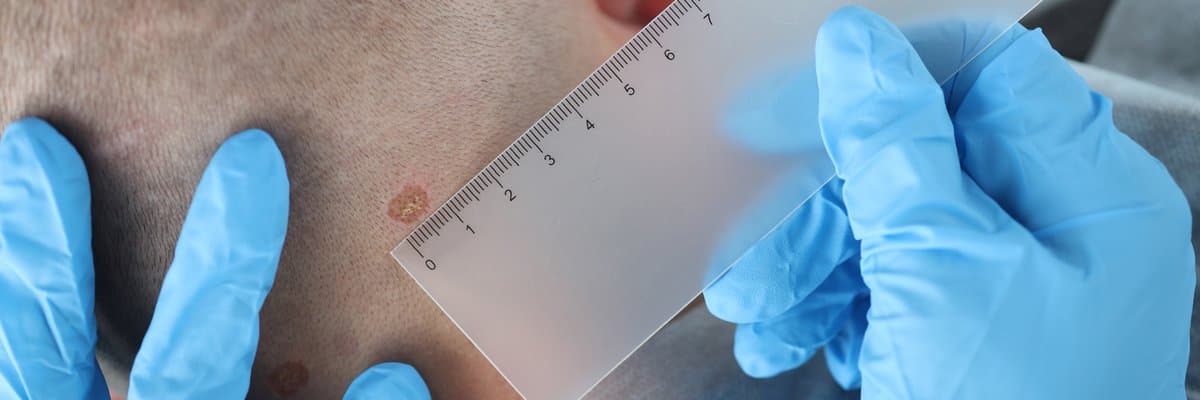
While the traditional ABCDE criteria work well for detecting superficial spreading melanoma, nodular melanoma often does not fit these guidelines. Many nodular melanomas are symmetrical, have regular borders, and may be a single uniform color, which can cause them to be missed by the standard screening rules. To address this gap, dermatologists developed the EFG rule.
E stands for Elevated, meaning the lesion is raised above the surrounding skin surface. F stands for Firm, indicating the nodule feels solid to the touch. G stands for Growing, which is perhaps the most important sign.!!
Rapid Progression and Timeline
Nodular melanoma can develop and progress alarmingly fast. While many other skin cancers take months or years to become dangerous, nodular melanoma can grow from barely noticeable to life-threatening in as little as a few weeks to a few months. Some patients report that a new bump appeared and changed significantly within just six to eight weeks. This rapid timeline underscores the importance of seeking medical attention for any new, firm, growing nodule on the skin without delay.
Risk Factors
Nodular melanoma shares many risk factors with other melanoma subtypes, including fair skin, a history of sunburns, chronic UV exposure, and a family history of melanoma. It is most common in men over the age of 50, though it can occur in anyone regardless of age or gender. People with a large number of moles or a history of atypical moles are at increased risk. Unlike superficial spreading melanoma, which is more strongly linked to intermittent intense sun exposure, nodular melanoma may develop on both sun-exposed and sun-protected areas of the body.

Diagnosis and Biopsy
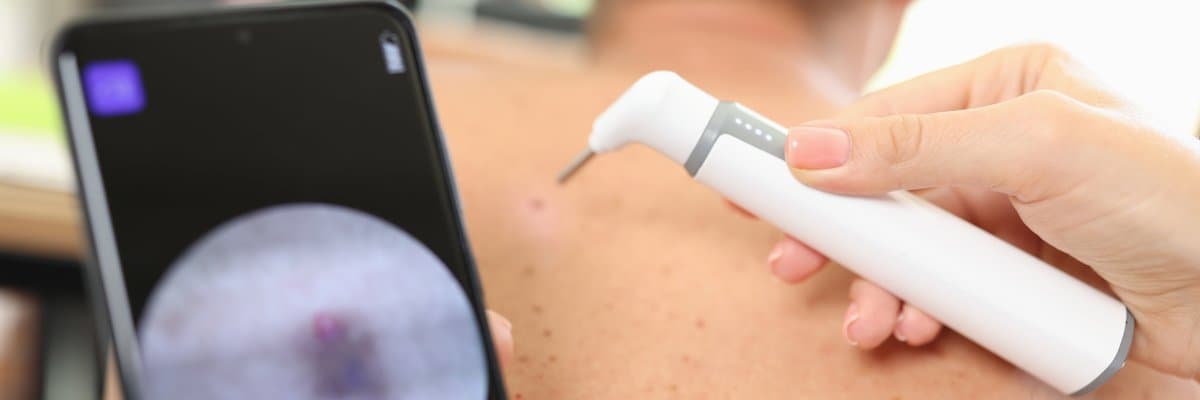
Any suspicious raised lesion that is firm and growing should be biopsied promptly. A full-thickness excisional biopsy is preferred for suspected nodular melanoma, as it allows the pathologist to accurately measure the Breslow depth, which is the single most important prognostic factor. Dermoscopy can reveal features that may not be visible to the naked eye, such as blue-white structures, irregular vessels, and atypical pigment patterns. Because nodular melanoma can be amelanotic or present in unusual ways, a high index of suspicion is important for any firm, growing nodule.
Treatment Options and Urgency
The primary treatment for nodular melanoma is wide local excision, where the tumor and a margin of surrounding healthy tissue are surgically removed. The width of the margin depends on the thickness of the melanoma as measured by Breslow depth. For thicker tumors, a sentinel lymph node biopsy is typically performed to check whether the cancer has spread.
Advanced cases may require immunotherapy, targeted therapy, or radiation therapy. Because of its aggressive nature, treatment should begin as soon as possible after diagnosis.
Prognosis and the Importance of Early Detection
Prognosis for nodular melanoma depends heavily on the stage at diagnosis. When caught early and the tumor is thin, five-year survival rates can exceed 90 percent. However, because nodular melanoma tends to be diagnosed at a greater thickness than other melanoma subtypes, overall outcomes are often less favorable.
Regular self-examinations and professional skin checks are essential for catching this aggressive cancer as early as possible. Skinscanner can help you monitor new or changing skin lesions between dermatology appointments, giving you an AI-powered tool to flag concerning growths for professional follow-up.