

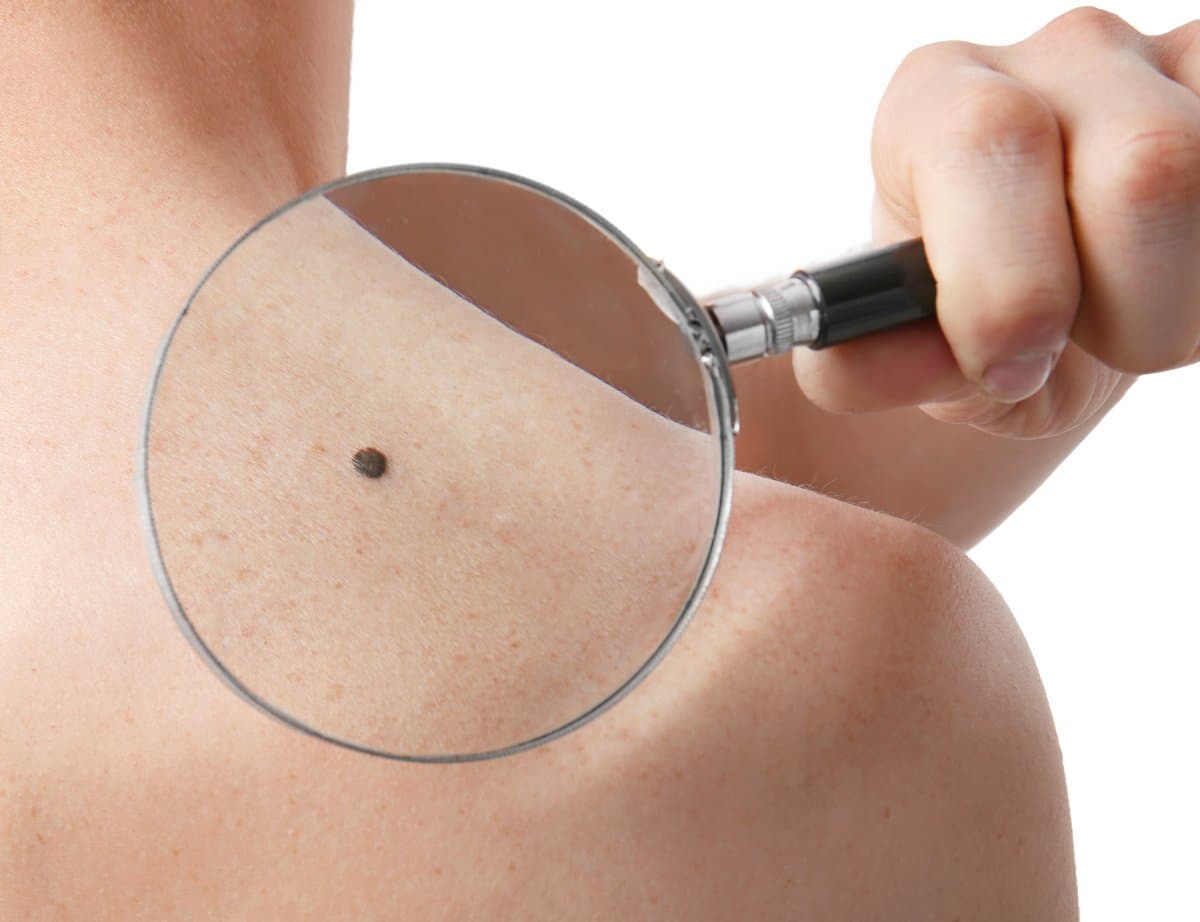
Семь знаков, за которыми следят дерматологи
На вашей коже есть десятки родинок, и подавляющее большинство из них останется совершенно доброкачественными на протяжении всей вашей жизни. Но меланома, самая опасная форма рака кожи, часто начинается в или рядом с существующей родинкой, поэтому знание того, на что обращать внимание, действительно может спасти жизнь. Дерматологи оценивают родинки, используя семь ключевых предупреждающих признаков.
Во-первых, асимметрия: если провести воображаемую линию через центр родинки и две половины не совпадают, это отклонение требует более тщательной проверки. Во-вторых, неровные границы: доброкачественные родинки обычно имеют гладкие, четко определенные края, в то время как подозрительные родинки могут иметь зубчатые, зазубренные, размытые или волнистые границы, которые сливаются с окружающей кожей. В-третьих, цветовая вариация: большинство нормальных родинок имеют однородный коричневый цвет.
Родинка, содержащая несколько цветов, включая темно-коричневый, черный, красный, белый или синий, вызывает беспокойство. В-четвертых, диаметр: любая родинка размером более шести миллиметров, примерно с размер ластика для карандаша, заслуживает оценки, хотя меланомы могут быть и меньшего размера. Пятый и, возможно, самый важный предупреждающий признак - это изменение: любая родинка, которая меняется в размере, форме, цвете, высоте или развивает новые симптомы, такие как зуд, кровотечение или корка, должна быть оценена незамедлительно, потому что изменение - это признак злокачественности.!!
Шестой признак - это признак «уродливого утенка»: родинка, которая заметно отличается от всех ваших других родинок, выглядит подозрительно, даже если она не соответствует другим критериям. Седьмой признак - появление новой родинки после 30 лет требует внимания, так как новые родинки во взрослом возрасте имеют немного повышенный риск по сравнению с теми, что присутствуют с детства.

Что делать, если ваша родинка показывает предупреждающие знаки
Если вы обнаружили один или несколько из этих предупреждающих знаков на любой из ваших родинок, самое важное действие - не паниковать, а обратиться за профессиональной оценкой в течение двух-четырех недель. Меланома, обнаруженная на ранней стадии, до того, как она распространилась за пределы верхнего слоя кожи, имеет пятилетнюю выживаемость более 99 процентов. Дерматолог осмотрит родинку с помощью дерматоскопа, специализированного увеличительного устройства с поляризованным светом, которое выявляет подповерхностные узоры, невидимые невооруженным глазом.
Если родинка выглядит подозрительно при дерматоскопии, врач проведет биопсию, которая включает удаление всей или части родинки под местной анестезией и отправку ее в патологическую лабораторию для микроскопического анализа. Это единственный окончательный способ определить, является ли родинка доброкачественной или злокачественной. Регулярные самообследования, проводимые ежемесячно, в сочетании с ежегодными профессиональными проверками кожи для тех, кто имеет факторы риска, создают лучшую основу для раннего выявления, поскольку большинство меланом в первую очередь замечает пациент или партнер, а не врач.!!
Чтобы провести эффективное самообследование, встаньте в хорошо освещенной комнате с зеркалом в полный рост и ручным зеркалом для труднодоступных мест, таких как спина и кожа головы. Периодически фотографируйте свои родинки, чтобы создать визуальную базу, которая облегчит обнаружение будущих изменений. Обратите особое внимание на родинки в местах с высоким риском: туловище у мужчин и нижние конечности у женщин - самые распространенные места для меланомы.
Люди с более чем 50 родинками, семейным анамнезом меланомы, светлой кожей с историей солнечных ожогов или ослабленной иммунной системой должны быть особенно бдительными. Полностью избегайте соляриев, так как они значительно увеличивают риск меланомы, и ежедневно наносите солнцезащитный крем широкого спектра действия, чтобы защитить существующие родинки от изменений, вызванных УФ-излучением.
