
What Is a Lentigo?
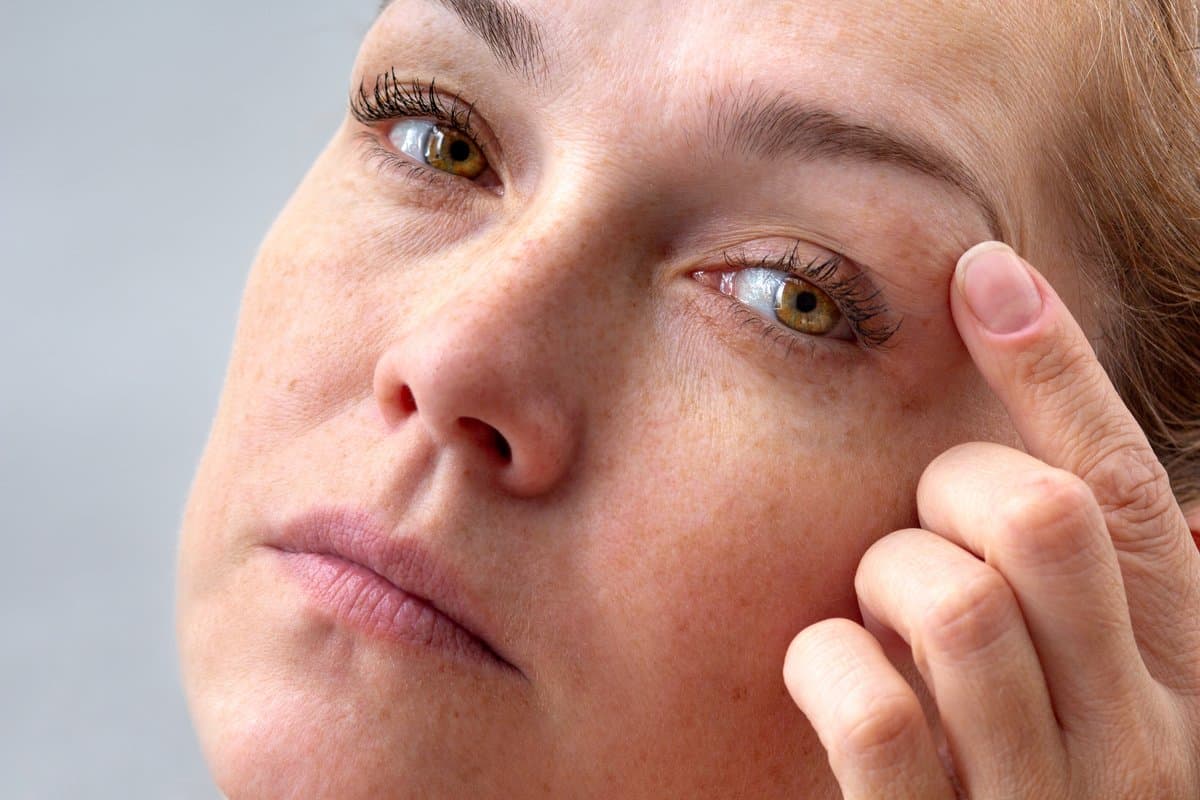
A lentigo is a flat, well-defined brown spot on the skin caused by a localized increase in the number of melanocytes, the cells that produce skin pigment. The plural form is lentigines, and these spots are among the most common pigmented lesions encountered in dermatology. Unlike freckles, which tend to fade in winter and darken in summer, lentigines remain stable regardless of sun exposure once they have formed. They are among the most common skin findings in adults and are generally considered a cosmetic concern rather than a medical one.

Types of Lentigo
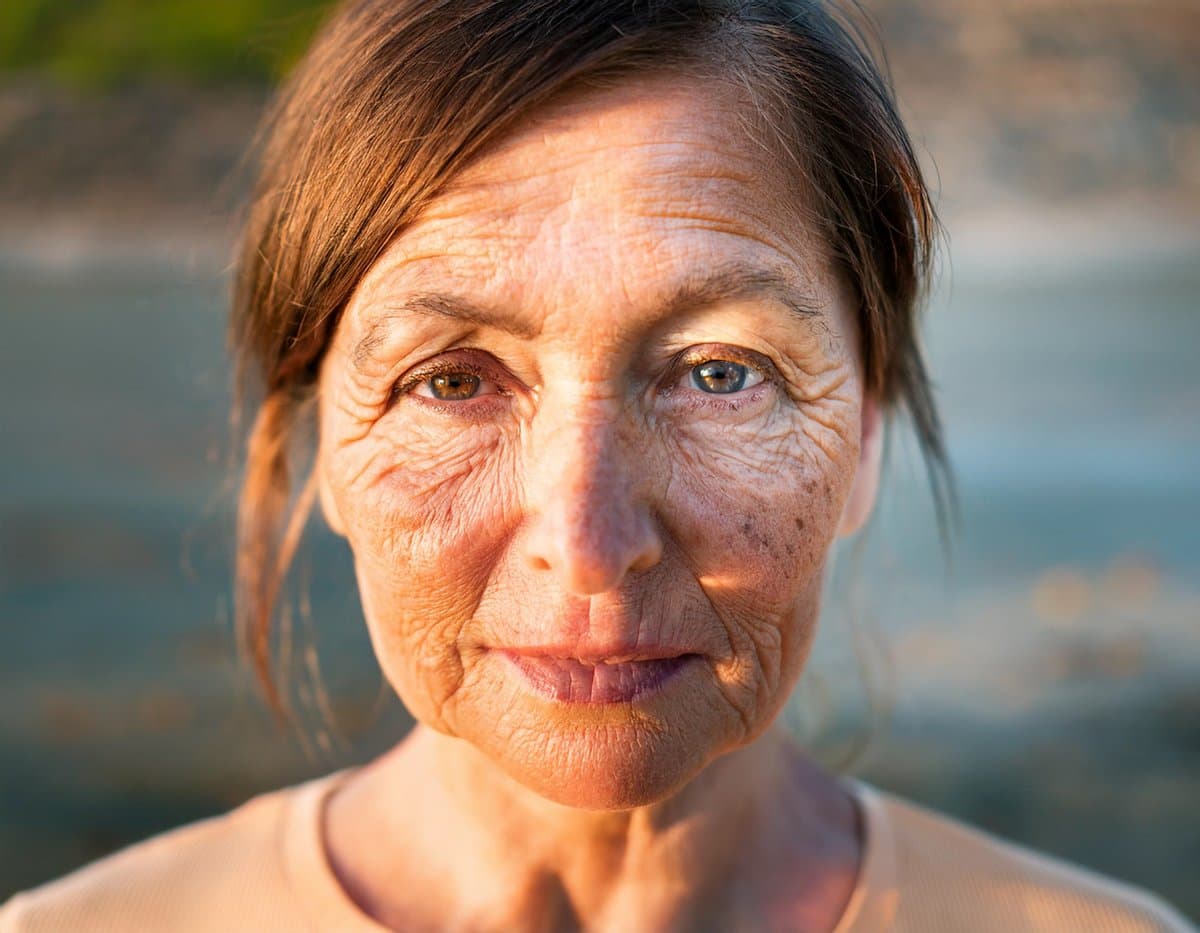
There are several types of lentigo, each with distinct characteristics and causes. Solar lentigo, also called an age spot or liver spot, is the most common type and appears on chronically sun-exposed areas in adults over 40. Lentigo simplex is a type that can appear at any age, including childhood, on any body site regardless of sun exposure, and is typically smaller and darker.
Ink spot lentigo, or reticulated lentigo, presents as a very dark, irregularly shaped but benign spot usually found on sun-damaged skin. Each type has a characteristic appearance, but all share the underlying feature of increased melanocyte activity in the epidermis.

Causes: UV Exposure and Aging
The primary driver behind most lentigines, particularly solar lentigines, is cumulative ultraviolet radiation exposure over many years. UV light stimulates melanocytes to produce more pigment and can cause a localized proliferation of these cells, resulting in a persistent dark spot. Aging skin is more susceptible because its repair mechanisms become less efficient, allowing UV-induced changes to accumulate.!!
Genetics also play a role, as fair-skinned individuals with a history of sunburns are significantly more likely to develop lentigines. Other contributing factors can include hormonal changes, certain medications that increase photosensitivity, and the use of tanning beds.
Lentigo vs. Melanoma: When to Be Concerned
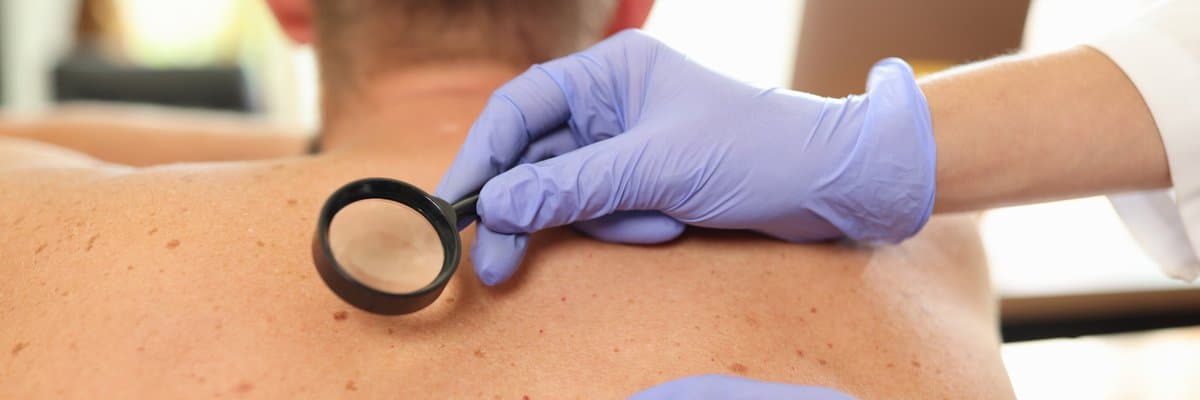
While most lentigines are entirely harmless, it is critically important to distinguish them from lentigo maligna, which is a form of melanoma in situ. Benign lentigines are typically uniform in color, have regular borders, and remain stable in size over time. Warning signs that a pigmented spot may be something more serious include asymmetry, irregular or notched borders, multiple colors within the same lesion, a diameter larger than 6 millimeters, and any change in size, shape, or color over time.!!
The ABCDE criteria used for melanoma screening apply here as well. Any pigmented spot that is changing, itching, bleeding, or looks different from your other spots should be evaluated by a dermatologist promptly.
Treatment Options
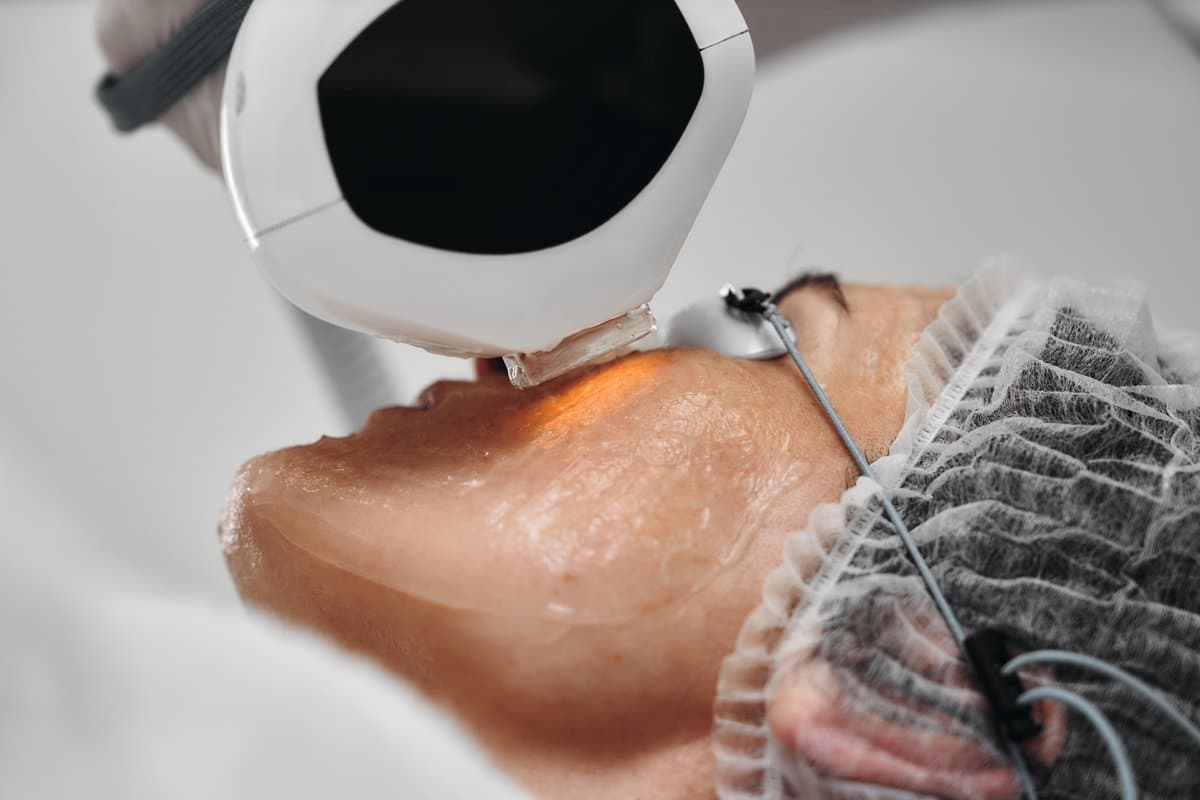
Treatment for benign lentigines is purely cosmetic and not medically necessary. For those who wish to reduce the appearance of age spots, several effective options are available. Cryotherapy involves applying liquid nitrogen to freeze and destroy the excess pigment cells, causing the spot to flake off over the following weeks.
Laser therapy, particularly with Q-switched lasers or intense pulsed light (IPL), can selectively target melanin and effectively lighten or eliminate the spots. Chemical peels using glycolic acid or trichloroacetic acid remove the outer layers of skin where the excess pigment resides. Topical treatments containing hydroquinone, retinoids, or vitamin C can gradually lighten spots with consistent use over several months.
Prevention: Protecting Your Skin from the Sun
Since UV exposure is the primary cause of solar lentigines, sun protection is the most effective prevention strategy. Daily application of a broad-spectrum sunscreen with SPF 30 or higher is recommended, even on cloudy days and during winter months. Protective clothing, including wide-brimmed hats and long sleeves, provides an additional physical barrier against UV radiation.
Seeking shade during peak sun hours between 10 AM and 4 PM significantly reduces cumulative UV exposure. Avoiding tanning beds eliminates another major source of concentrated UV radiation that accelerates skin aging and pigmentation changes.

Living with Lentigines
For most people, lentigines are a normal part of aging and sun exposure rather than a cause for medical concern. Embracing these changes while maintaining good sun protection habits is a healthy and practical approach. If cosmetic treatment is desired, consulting a board-certified dermatologist ensures you choose the most appropriate and effective option for your skin type.
Regardless of whether you pursue treatment, regular monitoring of all pigmented spots on your skin remains important. Skinscanner can help you keep track of your spots over time, making it easier to notice any changes that might warrant a professional evaluation and giving you peace of mind about your skin health.