

What Is Impetigo?
Impetigo is a superficial bacterial skin infection that is one of the most common skin conditions in children, particularly those between the ages of two and five. The infection typically appears on the face, especially around the nose and mouth, but can occur anywhere on the body. Impetigo is highly contagious and spreads easily in settings where children are in close contact, such as daycare centers and schools. While it can look alarming, impetigo is generally a mild condition that responds well to treatment and rarely causes serious complications.

Types of Impetigo
Non-bullous impetigo is the most common form, accounting for about 70 percent of cases, and presents as small red sores that quickly rupture and develop a characteristic honey-colored crust. Bullous impetigo, more common in infants, produces larger fluid-filled blisters that are initially clear and then become cloudy before bursting and leaving a yellowish crust. A third form called ecthyma is a more serious variant where the infection penetrates deeper into the skin, creating painful ulcers with thick crusts that can leave scars. Each type may require a slightly different treatment approach depending on the severity and extent of the infection.
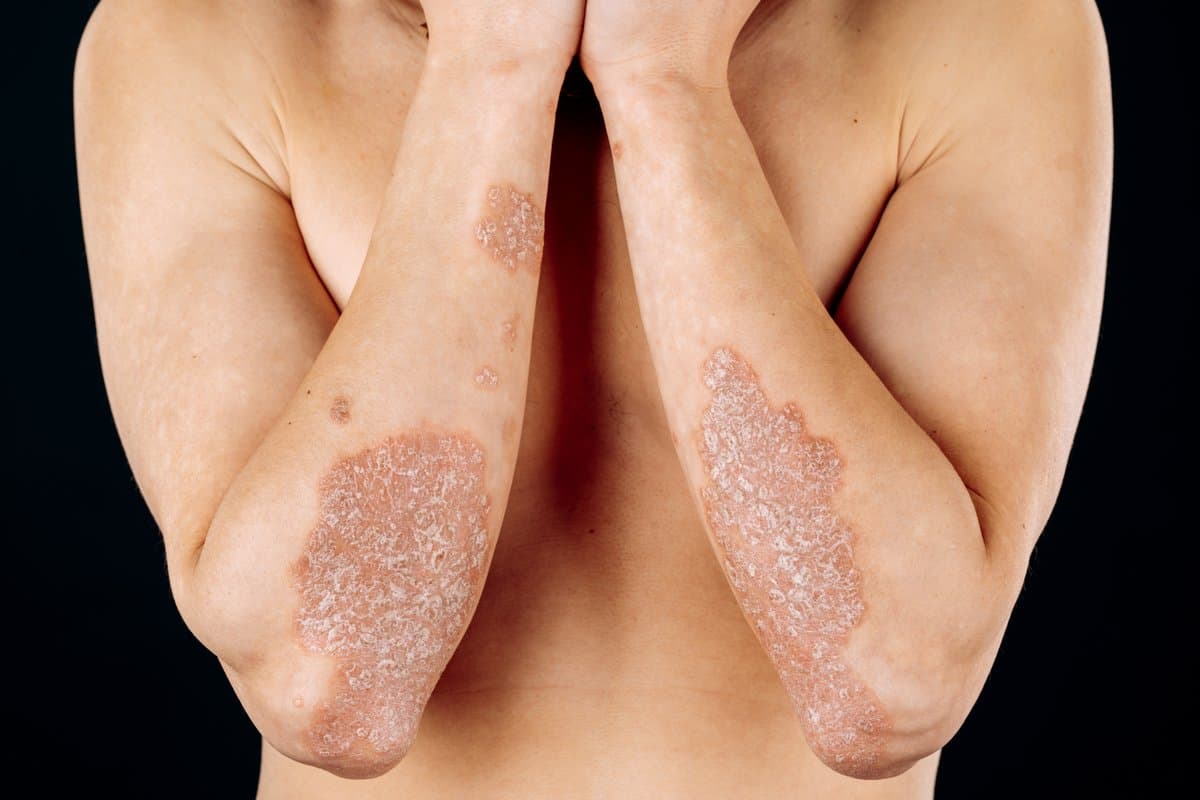
Causes: Staphylococcus and Streptococcus
Impetigo is primarily caused by two types of bacteria: Staphylococcus aureus and Group A Streptococcus (Streptococcus pyogenes). Staphylococcus aureus is the most frequent cause in developed countries and is responsible for nearly all cases of bullous impetigo. The bacteria typically enter through breaks in the skin caused by cuts, insect bites, eczema, or other skin irritations. In some cases, methicillin-resistant Staphylococcus aureus (MRSA) may be responsible, which can complicate treatment choices.

How Impetigo Spreads
Impetigo is highly contagious and can spread through direct contact with the sores or nasal discharge of an infected person. The bacteria can also be transmitted indirectly through contaminated objects such as towels, clothing, bedding, and toys. Children are particularly susceptible because of their frequent close contact during play and their tendency to touch their faces. Warm, humid conditions and crowded living environments increase the likelihood of impetigo spreading within families and communities.

Treatment with Antibiotics
For mild, localized impetigo, topical antibiotics such as mupirocin or retapamulin applied directly to the sores are usually effective. More widespread infections or cases that do not respond to topical treatment require oral antibiotics such as cephalexin, dicloxacillin, or amoxicillin-clavulanate. Before applying medication, gently washing the affected areas with soap and water and removing crusts helps the antibiotic penetrate and work more effectively. Most cases begin to improve within two to three days of starting treatment, and the infection is typically no longer contagious after 24 to 48 hours of antibiotic therapy.!!

Prevention Tips
Good hygiene is the most effective way to prevent impetigo. Encourage frequent handwashing with soap and water, especially after touching the face or any skin wounds. Keep fingernails short and clean to reduce the risk of scratching and spreading bacteria. Avoid sharing personal items like towels, washcloths, and clothing, and promptly clean and cover any cuts, scrapes, or insect bites to prevent bacterial entry.

When to See a Doctor
While mild impetigo can sometimes resolve on its own, medical attention is recommended to speed healing and prevent spread to others. See a doctor promptly if the sores are spreading despite home care, if the child develops a fever, or if the affected area becomes increasingly red, swollen, or painful, which could indicate a deeper infection. Recurrent impetigo may require investigation into whether the child or a family member is a nasal carrier of Staphylococcus aureus. Rarely, untreated streptococcal impetigo can lead to post-streptococcal glomerulonephritis, a kidney complication, making timely treatment important.!!

Using Digital Tools to Track Skin Infections
When dealing with impetigo, especially in children who may have recurrent episodes, tracking the progression of the infection can be very helpful. Photographing the affected areas over time helps you see whether the treatment is working and provides useful documentation for follow-up medical visits. Skinscanner can help parents monitor their child's skin condition and track changes between outbreaks, making it easier to spot early signs of a new infection. Early detection and prompt treatment remain the best strategies for keeping impetigo under control.