
Que É un Halo Nevus?
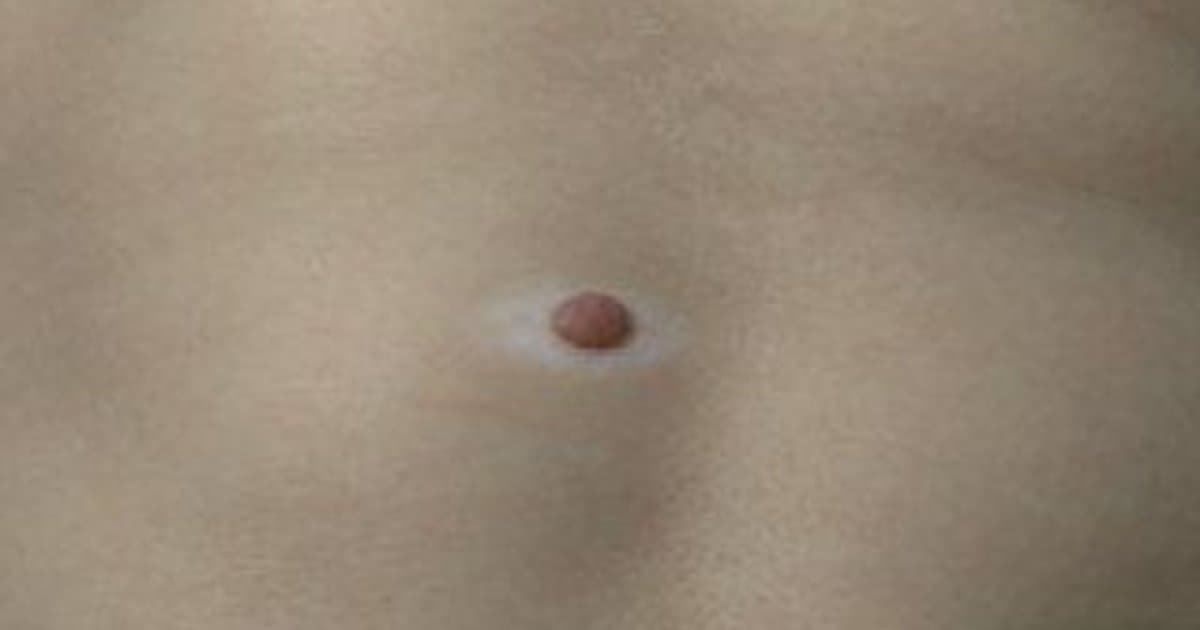
Un halo nevus — tamén coñecido como nevo de Sutton, leukoderma acquisitum centrifugum, ou vitiligo perineoide — é un nevo melanocítico (nevo) que está rodeado por un anel simétrico (halo) de pel despigmentada (branca). Esta aparencia striking resulta dun proceso mediado polo sistema inmunitario no que os propios linfocitos T do corpo atacan e destrúen os melanocitos — as células produtivas de pigmento — tanto dentro do nevo como na pel normal circundante. Os nevos halo son notablemente comúns, afectando aproximadamente ao un por cento da poboación xeral, aínda que a verdadeira incidencia é probablemente maior, xa que moitos pasan desapercibidos ou non se informan.
Son máis comúns en nenos e adolescentes, cunha incidencia máxima durante a adolescencia, aínda que poden desenvolverse a calquera idade. Os nevos halo ocorren con igual frecuencia en homes e mulleres e obsérvanse en todas as etnias. A espalda é a localización máis común, seguida do tronco e as extremidades.
Mentres que o anel branco normalmente rodea un nevo preexistente, os nevos halo tamén poden desenvolverse ao redor de nevos congénitos ou outras lesións melanocíticas. O nevo central pode ser plano ou elevado, marrón, rosa ou do color da pel. Na maioría dos casos, o proceso progresa ao longo de meses a anos: o halo branco desenvolve primeiro, logo o nevo central desvanece gradualmente e desaparece, deixando unha área redonda de pel branca que finalmente repigmenta para igualar a pel circundante.
Este ciclo completo pode levar varios anos en completarse. Os nevos halo son abrumadoramente benígnos e representan o funcionamento normal do sistema inmunitario — de feito, de forma excesiva — contra as células melanocíticas.

Por Que Se Forma o Anel Branco?
O halo branco que rodea un nevo halo é o resultado visible dun ataque inmune dirixido contra os melanocitos. A investigación revelou que o anel despigmentado é creado por linfocitos T citotóxicos (células T CD8-positivas) que recoñecen antíxenos específicos dos melanocitos como estranxeiros ou anormais e montan unha resposta inmune mediada por células para destruílos. Estes linfocitos T infiltran o nevo e a pel circundante, liberando citoquinas e matando directamente os melanocitos a través de vías mediadas por perforina e granzoima.
O proceso é esencialmente idéntico ao mecanismo que destrúe os melanocitos no vitiligo, pero nun nevo halo, o ataque inmune está centrado e arredor dunha lesión melanocítica específica. Varias teorías explican por que o sistema inmune dirixe a súa atención a estes melanocitos en particular. A hipótese máis aceptada é que os melanocitos do nevo expresan antíxenos aberrantes na súa superficie — proteínas que difiren das dos melanocitos normais — que son recoñecidos como estranxeiros polo sistema inmune.
Estes antíxenos alterados poden resultar das mutacións acumuladas que causaron a formación do nevo no primeiro lugar. Outra teoría propón que o sistema inmune está identificando e eliminando correctamente melanocitos pre-malignos ou anormais — esencialmente realizando unha función de vixilancia beneficiosa. Apoian esta teoría, estudos que atoparon que algúns nevos halo contiñan melanocitos con características displásicas leves.
Independentemente do desencadeante preciso, a resposta inmune é real e medible: as biopsias de nevos halo mostran un infiltrado denso en banda de linfocitos, e os melanocitos dentro e arredor do nevo mostran evidencias de destrucción mediada por inmunidade. Este é fundamentalmente un proceso inmune saudable, non unha enfermidade.
A Conexión co Vitiligo
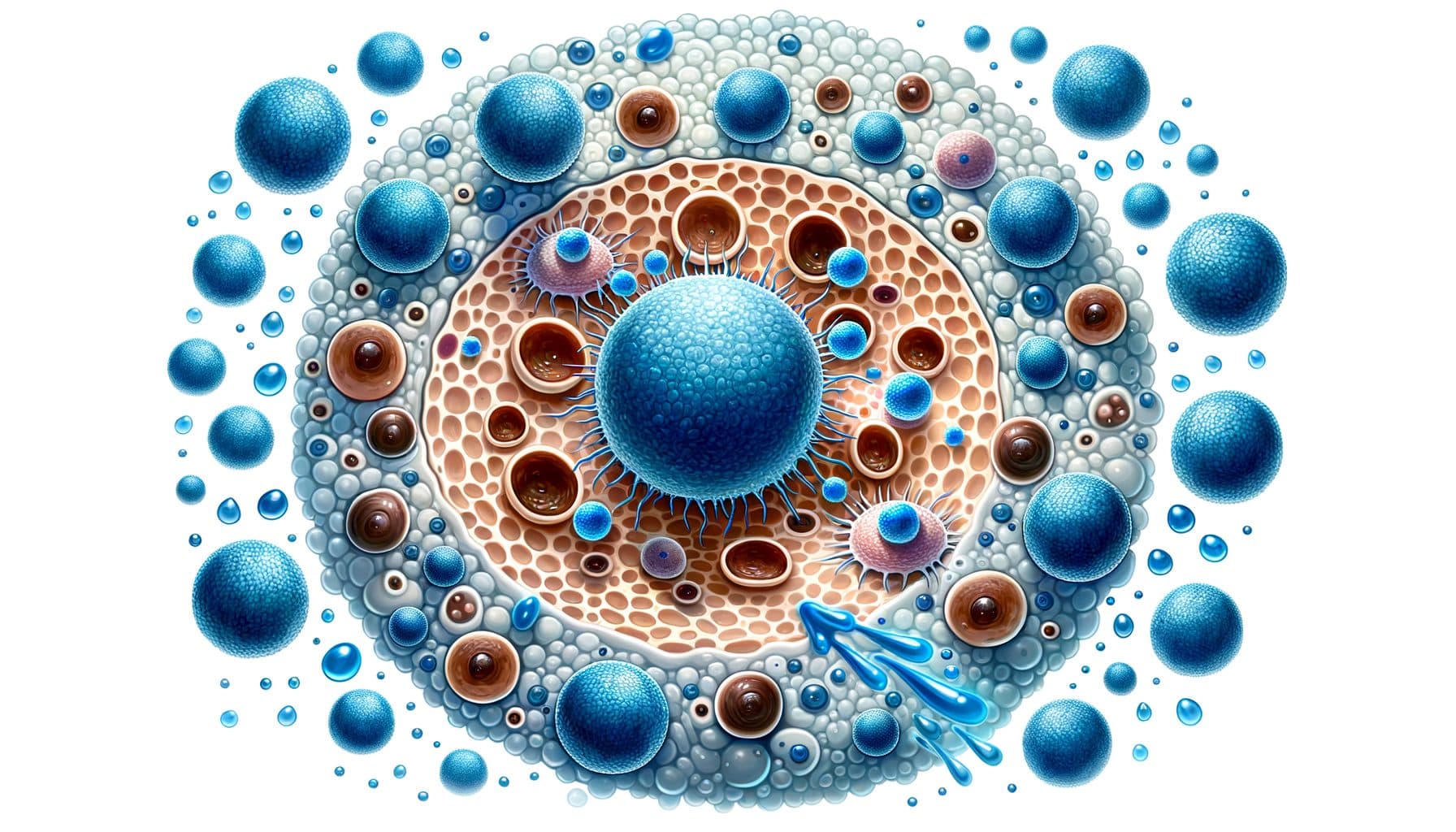
Os nevos halo e o vitiligo comparten un mecanismo fundamental — ambos implican a destrución mediada por inmunidade dos melanocitos — e a asociación clínica entre estas dúas condicións está ben establecida. As persoas que desenvolven nevos halo teñen unha maior incidencia de vitiligo que a poboación xeral, e os pacientes con vitiligo teñen con máis frecuencia nevos halo ou os desenvolven. Os estudos atoparon que aproximadamente entre o 15 e o 25 por cento dos pacientes con vitiligo teñen nevos halo concurrentes, en comparación cun aproximadamente un por cento da poboación xeral.
O mecanismo compartido implica o recoñecemento autoinmune de antíxenos específicos dos melanocitos, incluíndo a tirosinasa, Melan-A (MART-1), gp100 (Pmel17) e TRP-1 e TRP-2, todos os cales son proteínas involucradas na produción de melanina. No vitiligo, este ataque inmune é amplo e progresivo, levando a parches en expansión de pel despigmentada. Nun nevo halo, o proceso idéntico está centrado nunha única lesión melanocítica e os seus arredores inmediatos.
Algúns dermatólogos consideran que os nevos halo son unha forma localizada e autolimitada de vitiligo centrada nun obxectivo melanocítico. A implicación práctica é que un neno ou adolescente que desenvolve nevos halo — especialmente múltiples nevos halo simultáneos — debe ser monitorizado para sinais de desenvolvemento de vitiligo, que pode aparecer meses ou anos despois. De maneira similar, os nevos halo tamén poden estar asociados con outras condicións autoimmunes que se agrupan co vitiligo, incluíndo enfermidades da tiroide (particularmente a tiroidite de Hashimoto e a enfermidade de Graves), diabetes tipo 1, anemia perniciosa e a enfermidade de Addison.
Isto non significa que ter un nevo halo garanta que desenvolverás calquera destas condicións — a maioría das persoas con nevos halo nunca desenvolven vitiligo ou outra enfermidade autoimune. Pero a conciencia da asociación permite un seguimento adecuado.
Cando Deberías Preocuparte?
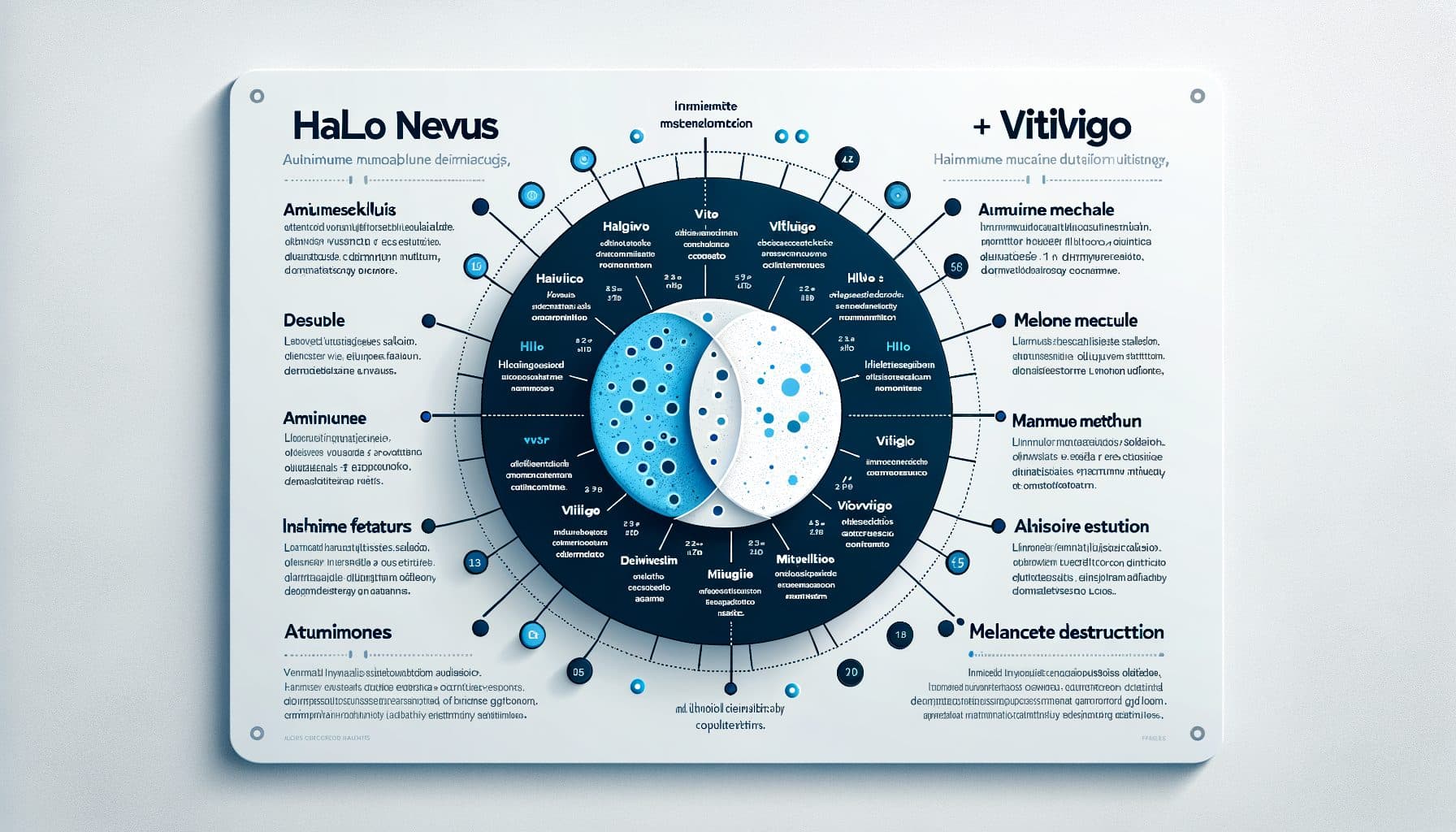
A abrumadora maioría dos nevos halo son completamente benígnos, e en nenos e adolescentes, raramente requiren algo máis que observación e tranquilidade. Con todo, certos escenarios clínicos xustifican unha avaliación máis próxima. Nos adultos maiores de 40 anos que desenvolven un novo nevo halo, é apropiado aumentar a vixilancia porque o fenómeno halo pode ocasionalmente ocorrer arredor dun melanoma — o sistema inmune recoñecendo e atacando os melanocitos malignos.
Aínda que esta resposta inmune contra o melanoma é realmente favorable (a regresión do melanoma ten un mellor pronóstico que a non regresión en algúns contextos), a lesión central aínda necesita avaliación. Calquera nevo halo onde o nevo central sexa asimétrico, teña bordos irregulares, mostre múltiples cores ou sexa maior de seis milímetros debe ser avaliado con dermatoscopía e potencialmente biopsiado. Os nevos halo con halos excéntricos (fuera do centro) ou halos irregulares e asimétricos en lugar do típico anel uniforme e simétrico merecen unha avaliación profesional.
O desenvolvemento de múltiples nevos halo simultáneos nun adulto debe provocar un exhaustivo exame cutáneo de todo o corpo para descartar un melanoma oculto en outra parte do corpo — ás veces a activación inmune que causa múltiples nevos halo é desencadeada por un melanoma en sitio distante, e o fenómeno halo representa unha reacción cruzada inmune contra antíxenos dos melanocitos.!! Esta asociación é pouco común pero clínicamente importante. Se o nevo central dentro dun nevo halo non segue o patrón esperado de desvanecemento gradual e simétrico, ou se se escurece, crece, desenvolve nodularidade ou sangra, é necesaria unha biopsia. De maneira similar, se o halo branco progresa para involucrar áreas moito máis grandes da pel máis aló da zona perinevoid inmediata, isto pode representar un vitiligo en desenvolvemento e xustifica unha avaliación dermatolóxica.
Historia Natural e Manexo
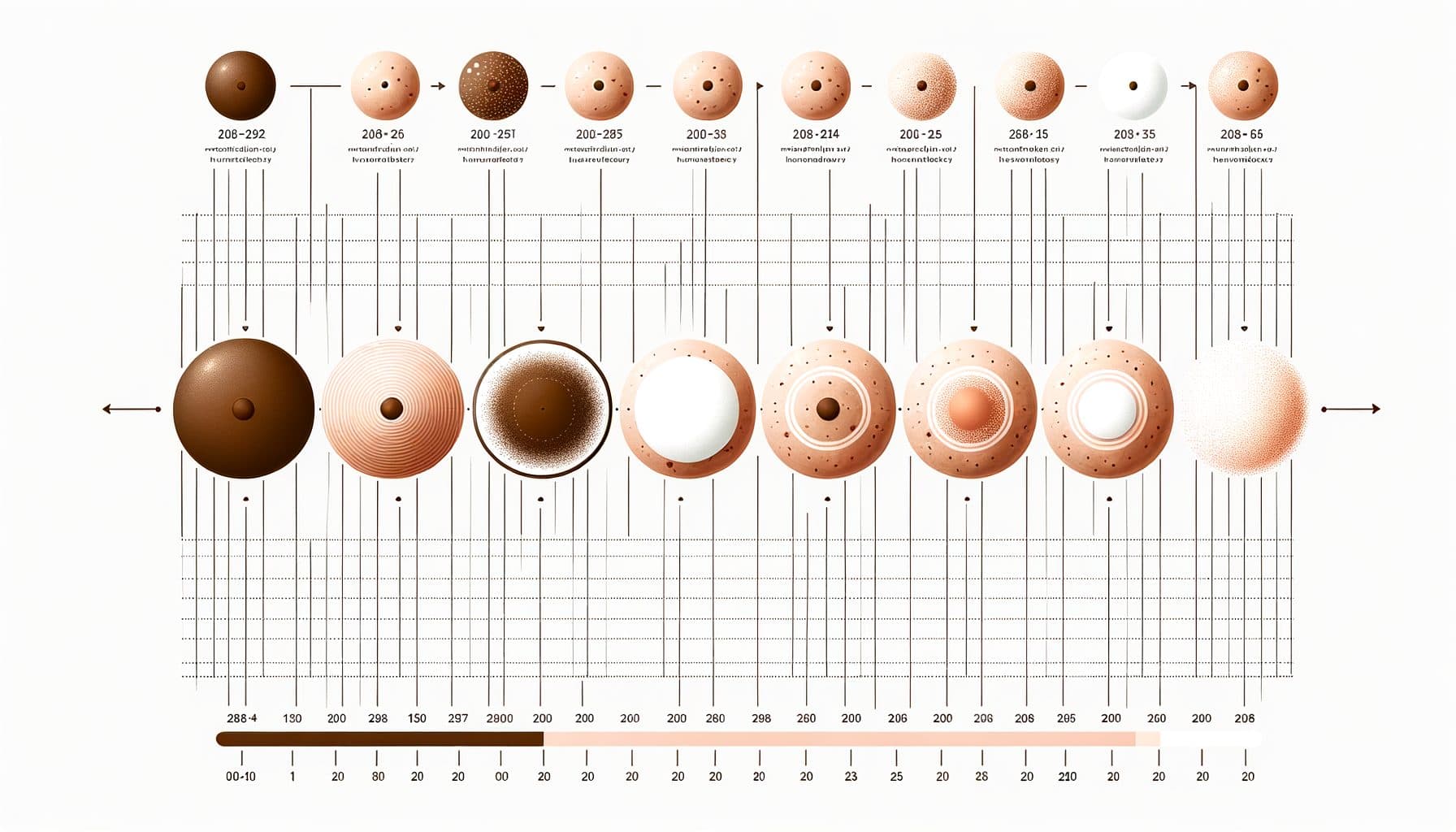
O curso natural dun nevo halo segue unha secuencia predecible que normalmente se extende durante varios anos. A etapa un implica o desenvolvemento do halo branco despigmentado arredor dun nevo existente, que normalmente aparece gradualmente ao longo de semanas a meses. A etapa dous ve como o nevo central comeza a aplanarse e desvanecerse, perdendo pigmentación á medida que a destrución mediada por inmunidade dos melanocitos progresa.
A etapa tres implica a desaparición completa do nevo central, deixando un parche redondo de pel despigmentada e branca. A etapa catro, a fase final, implica a repigmentación gradual da área branca á medida que novos melanocitos migran desde a periferia e os folículos pilosos, restaurando finalmente a área a un color de pel case normal ou normal. Todo este proceso pode levar desde dous a dez anos ou máis, e algúns nevos halo permanecen en unha etapa intermedia indefinidamente sen completar o ciclo completo.
O manexo dos nevos halo típicos é sinxelo: observación clínica con tranquilidade. Non se necesita tratamento para o nevo halo en si. En nenos e adolescentes cunha presentación clásica — un nevo simétrico cun anel branco simétrico, estable ou que se desvanece progresivamente — a monitorización clínica por si soa é apropiada, con exames de seguimento cada seis a doce meses para confirmar a progresión benigna esperada.
A documentación con fotografías clínicas en cada visita axuda a rastrexar cambios de forma obxectiva. A área do halo despigmentado debe ser protexida da exposición ao sol, xa que a falta de melanocitos significa que a pel nesa área é máis vulnerable a danos por UV e queimaduras solares.!! Debe aplicarse protector solar de amplo espectro na zona despigmentada. Se se desexa a eliminación dun nevo halo por motivos estéticos ou de certeza diagnóstica, recoméndase a biopsia excisional que incluía o nevo central e unha porción do halo.
Como a Análise de Pele por IA Pode Axudar
Notar un anel branco desenvolverse arredor dun nevo pode ser inquietante — parece anormal e diferente de calquera cousa que has visto antes. Skinscanner proporciona contexto e análise inmediata cando fotografías un nevo cun halo despigmentado arredor. A IA evalúa as características do nevo central — a súa simetría, regularidade dos bordos, uniformidade de cor e tamaño — así como o patrón do halo — a súa simetría, ancho e regularidade — para determinar se a presentación coincide co patrón benigno típico dun nevo halo ou mostra características atípicas que xustifican unha avaliación profesional.
Isto é particularmente tranquilizador para os pais que descubren un nevo halo no seu fillo e necesitan orientación sobre se é motivo de preocupación. Skinscanner pode axudar a distinguir un nevo halo clásico de outras condicións que poden crear un anel despigmentado arredor dunha lesión cutánea, incluíndo melanoma con regresión e fenómeno halo arredor dun nevo displásico. Para as persoas con nevos halo coñecidos, a exploración regular rastrea a evolución a través das etapas esperadas — desenvolvemento do halo, desvanecemento do nevo, regresión completa e repigmentación — proporcionando documentación visual que confirma a progresión normal ou sinala calquera desviación do patrón esperado.
Skinscanner non substitúe a avaliación dermatoscópica, que proporciona detalles subsuperficiais ampliados que a fotografía estándar non pode capturar. Calquera nevo halo atípico — particularmente en adultos — debe ser examinado profesionalmente con dermatoscopía e potencialmente biopsiado para confirmación histolóxica. Pero para a avaliación inicial e o seguimento continuo de nevos halo típicos, Skinscanner ofrece orientación accesible e informada.