
Understanding Hyperpigmentation
Hyperpigmentation is a broad term that describes areas of skin that have become darker than the surrounding tissue. It is one of the most common reasons people seek dermatological care worldwide, affecting all skin tones, though it tends to be more pronounced and persistent in medium to dark complexions. At the cellular level, hyperpigmentation occurs when melanocytes — the cells responsible for producing melanin, the pigment that gives skin its color — become overactive or produce melanin unevenly.
This overproduction can be triggered by sun exposure, inflammation, hormonal changes, injury, or certain medications. The excess melanin is then deposited into the surrounding skin cells, creating visible dark patches or spots. Melanin exists in two primary forms: eumelanin, which produces brown and black tones, and pheomelanin, which produces red and yellow tones.
The ratio of these two types, combined with the amount produced and its distribution within the skin layers, determines the color and visibility of hyperpigmented areas. The depth at which excess melanin is deposited matters significantly for treatment outcomes. Epidermal hyperpigmentation — where melanin sits in the upper layers of skin — tends to respond better to topical treatments and appears as brown or tan discoloration.
Dermal hyperpigmentation — where melanin has dropped into deeper layers — appears blue-gray and is more resistant to topical therapy. Many cases involve a combination of both epidermal and dermal pigment. A dermatologist can use a Wood's lamp examination to help determine the depth of pigmentation and guide treatment expectations.

Types of Hyperpigmentation: PIH, Melasma, and Sun Spots
Post-inflammatory hyperpigmentation, commonly abbreviated as PIH, is the most frequent type of acquired hyperpigmentation. It develops after any form of skin inflammation or injury — acne, eczema, burns, cuts, insect bites, or aggressive cosmetic procedures. The inflammatory process stimulates melanocytes to produce excess pigment, which lingers long after the original inflammation has resolved.
PIH is more common and more prominent in darker skin tones due to higher baseline melanocyte activity. Post-inflammatory hyperpigmentation from acne can persist for months to years without treatment, which is why preventing acne lesions from becoming severely inflamed — and avoiding picking — is one of the most effective strategies against dark marks.!! PIH generally responds well to topical treatments and fades over time, especially with consistent sun protection.
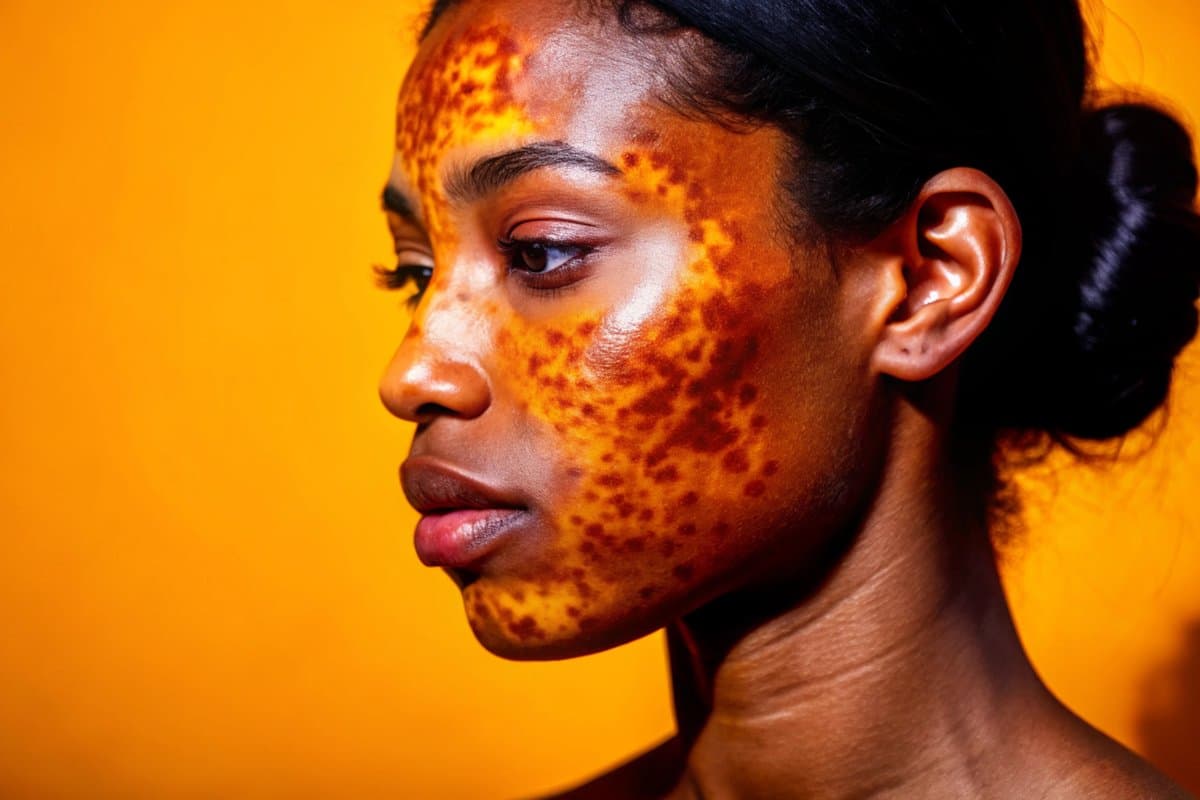
Melasma is a more complex form of hyperpigmentation characterized by symmetric brown or gray-brown patches, most commonly on the cheeks, forehead, upper lip, nose bridge, and chin. It is strongly associated with hormonal influences — pregnancy, oral contraceptives, and hormone replacement therapy are common triggers. Sun exposure dramatically worsens melasma, and even visible light and heat can stimulate pigmentation in affected areas.
Melasma is notoriously difficult to treat and has a high recurrence rate. Solar lentigines, commonly known as sun spots, age spots, or liver spots, are flat brown patches that develop on chronically sun-exposed skin — the face, hands, shoulders, and forearms. They represent accumulated UV damage to melanocytes over years and become more common after age 40. Unlike freckles, which may fade in winter, solar lentigines tend to persist year-round and may darken further with continued sun exposure.
Prevention: Why SPF Is Non-Negotiable
If there is one universal truth in the management of hyperpigmentation, it is that no treatment will be effective without concurrent sun protection. Ultraviolet radiation is the single most powerful stimulus for melanin production, and even brief unprotected sun exposure can undo weeks of treatment progress. This makes daily sunscreen use the cornerstone of both prevention and treatment.
For a complete overview, see our guide to sun protection. Broad-spectrum sunscreen with SPF 30 or higher blocks the UVB rays that cause sunburn and the UVA rays that penetrate deeper and stimulate melanocytes. For people with melasma or active hyperpigmentation treatment, SPF 50 is often recommended.
The key is adequate application — most people apply only 25 to 50 percent of the recommended amount, dramatically reducing the effective protection. For hyperpigmentation-prone skin, tinted sunscreens containing iron oxide offer an important additional benefit over untinted formulas because they block visible light, which has been shown to trigger melanin production — particularly in darker skin tones — through a pathway that standard UV filters do not address.!! This is especially relevant for melasma management.
Beyond sunscreen, protective behaviors amplify prevention. Seeking shade during peak UV hours between 10 AM and 4 PM, wearing wide-brimmed hats, and using UV-protective sunglasses all reduce cumulative melanocyte stimulation. Reapplication every two hours during continuous sun exposure, or immediately after swimming or heavy sweating, maintains the protective barrier.
Preventing post-inflammatory hyperpigmentation focuses on minimizing skin inflammation and trauma. This means treating acne early and effectively rather than letting lesions persist, avoiding picking or squeezing blemishes, choosing gentle skincare products, and exercising caution with aggressive treatments like chemical peels or laser procedures, particularly in darker skin tones where the risk of triggering new PIH is higher.

Treatment Options: Topical Ingredients That Work
Several topical ingredients have robust clinical evidence supporting their effectiveness against hyperpigmentation. The most effective approach typically combines multiple agents that work through different mechanisms. Vitamin C, specifically L-ascorbic acid at concentrations of 10 to 20 percent, is one of the most well-studied brightening ingredients.
It inhibits the enzyme tyrosinase, which is essential for melanin production, and provides antioxidant protection against UV-induced pigmentation. Vitamin C is most effective when formulated at a low pH and stored in opaque, airtight packaging to prevent oxidation. Apply it in the morning under sunscreen for combined preventive benefit.
Retinoids — including over-the-counter retinol and prescription tretinoin — accelerate cell turnover, bringing pigmented cells to the surface more quickly and promoting their replacement with normally pigmented cells. They also improve the distribution of melanin within the skin. Retinoids take 8 to 12 weeks to show visible results and require gradual introduction to minimize irritation.
Azelaic acid at 15 to 20 percent concentration is a particularly versatile treatment for hyperpigmentation. It inhibits tyrosinase selectively in overactive melanocytes while leaving normally functioning melanocytes unaffected, making it safer for darker skin tones where certain aggressive treatments risk paradoxical hypopigmentation. It also has anti-inflammatory and antibacterial properties, making it helpful for PIH related to acne.
Niacinamide at 3 to 5 percent inhibits the transfer of melanin from melanocytes to surrounding skin cells, effectively reducing visible pigmentation. Alpha arbutin, tranexamic acid, and kojic acid are additional ingredients with evidence for brightening, though typically with more modest effects than the agents described above. Hydroquinone at 2 to 4 percent remains one of the most effective depigmenting agents but should be used under medical supervision due to potential side effects with prolonged use.
Professional Treatments and Setting Realistic Expectations
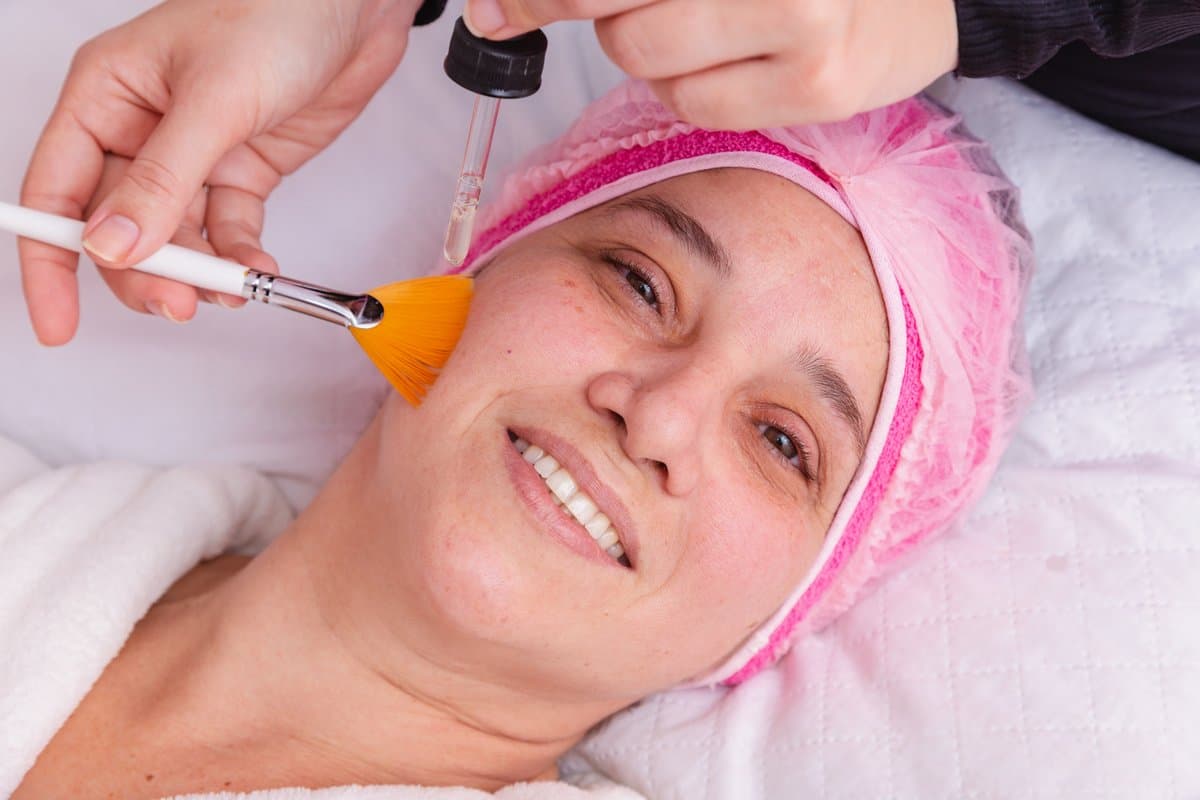
When topical treatments alone produce insufficient improvement, professional procedures can provide more dramatic results. Chemical peels using glycolic acid, salicylic acid, or trichloroacetic acid remove the superficial layer of pigmented skin and stimulate regeneration. Superficial peels carry low risk and can be performed in a series for cumulative benefit.
Medium-depth peels produce more significant results but require longer recovery and carry higher risk of complications in darker skin tones. Laser treatments have advanced significantly for hyperpigmentation. Q-switched lasers and picosecond lasers target melanin selectively without damaging surrounding tissue.
Fractional lasers create microscopic treatment zones that heal quickly while triggering collagen remodeling and pigment redistribution. However, laser treatments for pigmentation require careful patient selection and experienced practitioners, particularly for individuals with darker skin, where the risk of post-treatment hyperpigmentation or hypopigmentation is higher. Microneedling combined with topical brightening agents can improve penetration and enhance results.
Chemical peels tailored to the individual's skin type and pigmentation depth offer a more affordable alternative to laser therapy with good efficacy for epidermal pigmentation. Setting realistic expectations is critical. Hyperpigmentation treatment is a marathon, not a sprint.
Most topical treatments require three to six months of consistent use to produce meaningful visible improvement. Melasma in particular often requires ongoing maintenance treatment to prevent recurrence. Even after successful treatment, any new inflammation, sun exposure without protection, or hormonal change can trigger the return of pigmentation.
Consistent care also plays a key role in preventing premature aging. The most effective long-term strategy for hyperpigmentation combines daily sunscreen use, a consistent topical brightening regimen, and early treatment of any skin inflammation before it has a chance to trigger new pigment production.!! Patience and consistency invariably outperform aggressive short-term interventions that risk triggering rebound pigmentation or barrier damage.