What Is Actinic Keratosis and Why Should You Take It Seriously?
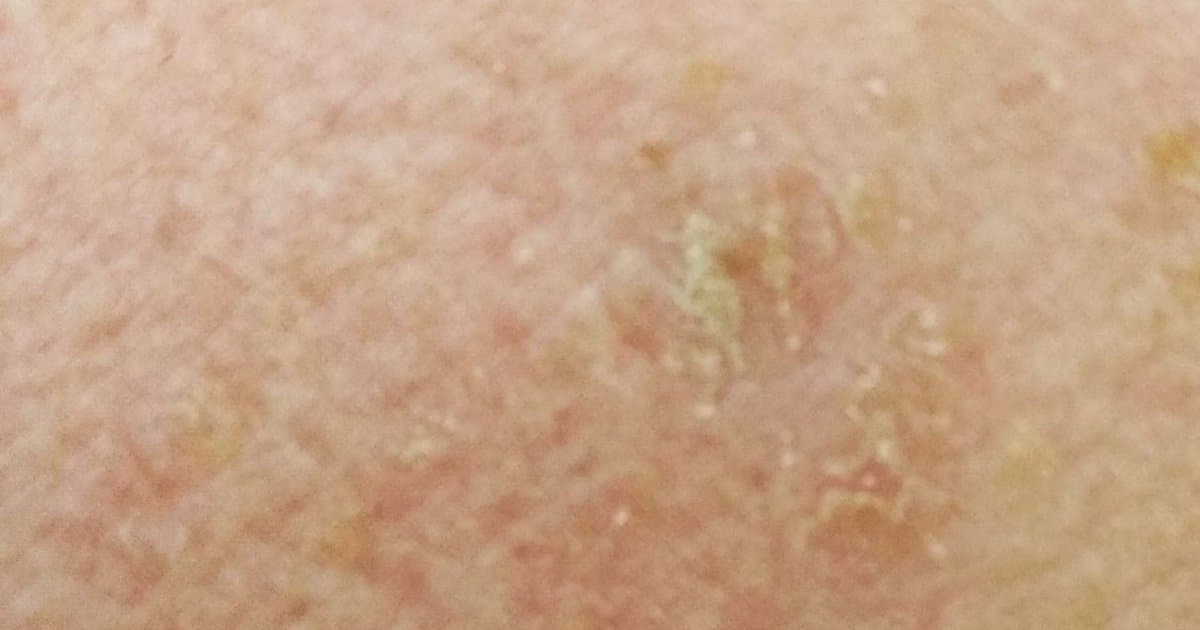
Actinic keratosis (AK), also called solar keratosis, is a rough, scaly patch of skin that develops from years of cumulative sun exposure. AKs are considered pre-cancerous lesions — they represent the earliest stage in the continuum from sun-damaged skin to squamous cell carcinoma (SCC). Over 58 million Americans have at least one AK, making it one of the most common reasons for dermatology visits.
025% to 16% per year per lesion, but here is the critical nuance: the risk is cumulative and compounding. A person with multiple AKs (and most people have many) faces a significantly higher overall risk of developing SCC from at least one of them. 7 AKs had a 10% probability of at least one progressing to SCC within 10 years.
AKs typically appear as dry, rough, sandpaper-textured patches ranging from a few millimeters to several centimeters in diameter. They are often easier to feel than see — running your fingers over sun-exposed skin may reveal rough patches before they become visually obvious. Color ranges from skin-toned to pink, red, or brownish.
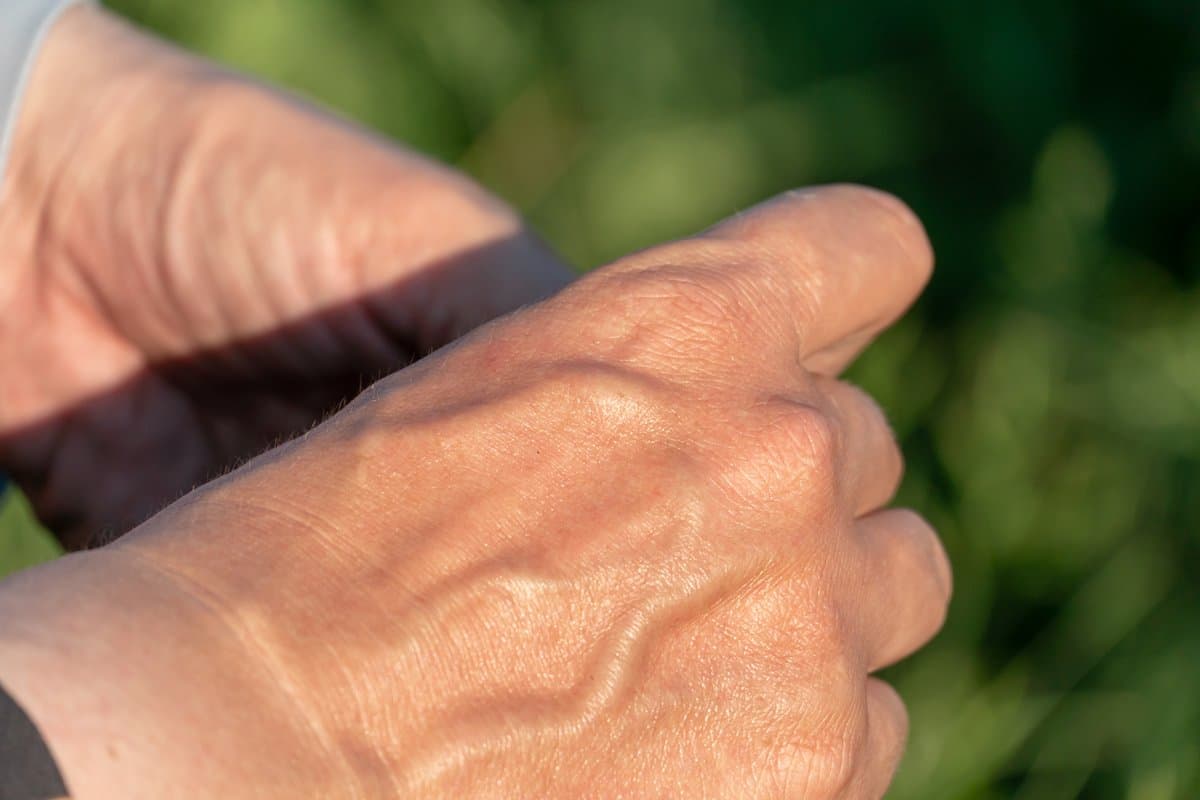
They appear most commonly on the face (particularly forehead, nose, cheeks, and lips), ears, scalp (especially in bald or balding individuals), neck, forearms, and backs of the hands — the areas with the most cumulative UV exposure. AKs can be tender, itchy, or produce a prickling or burning sensation, particularly when rubbed or irritated. They may fluctuate in appearance, seeming to improve temporarily before recurring, which leads many people to dismiss them.
Field Cancerization: The Problem Is Bigger Than the Spots You See
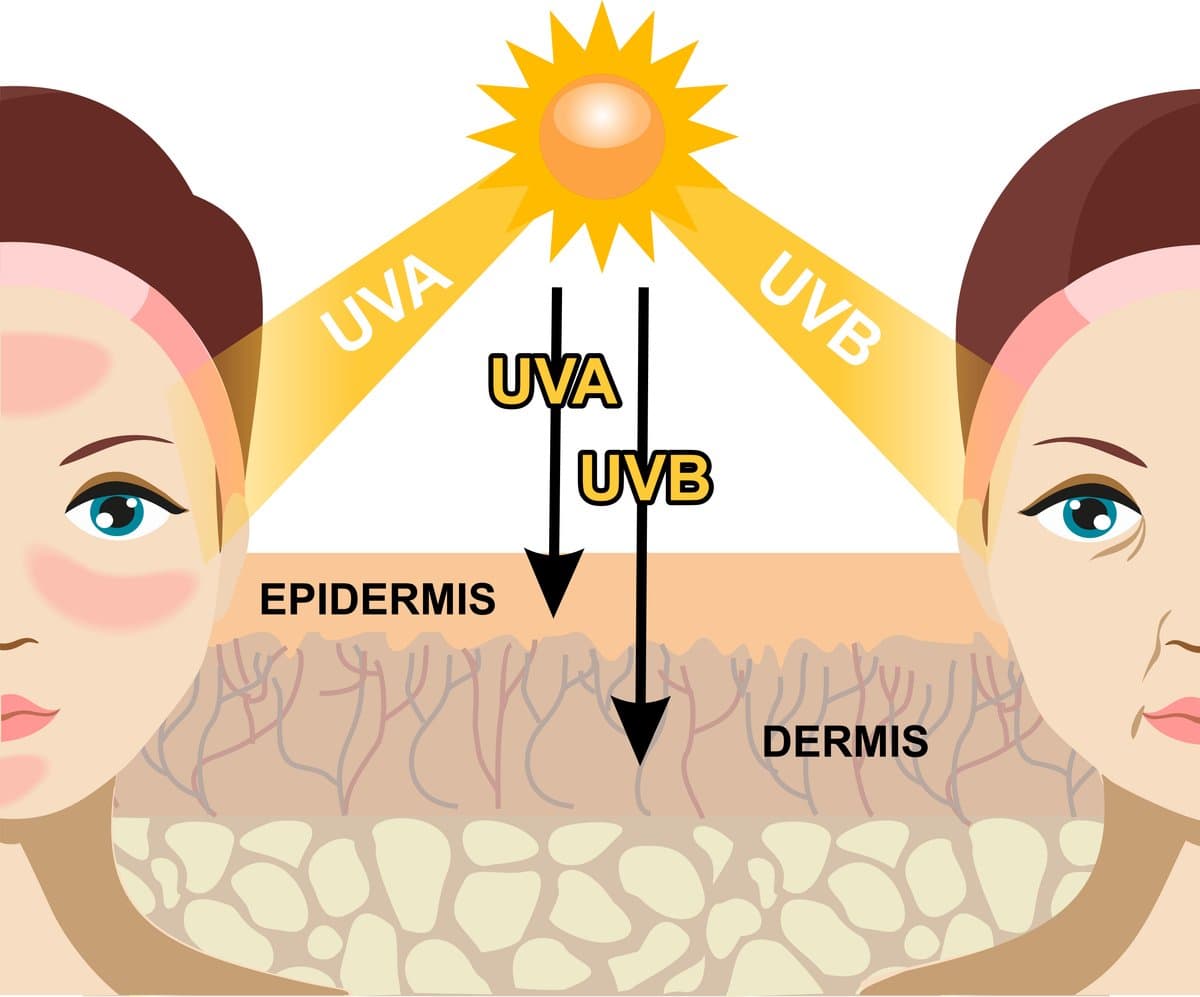
One of the most important concepts in understanding actinic keratosis is field cancerization — the idea that visible AKs are merely the tip of the iceberg in a field of widespread sun damage. The skin surrounding visible AKs contains countless subclinical (not yet visible) AKs — cells that have accumulated enough UV-induced DNA damage to be pre-cancerous but haven't yet developed into detectable lesions. Studies using skin microscopy and molecular analysis show that the apparently normal-looking skin between visible AKs harbors significant genetic damage, including p53 mutations (the same tumor suppressor gene mutations found in invasive SCC).
This means that treating individual visible AKs while ignoring the surrounding damaged field is like playing an endless game of whack-a-mole — new lesions will continue emerging from the damaged field indefinitely.!! Field-directed therapy, which treats the entire damaged area rather than individual spots, addresses this fundamental problem. The concept of field cancerization also explains why some patients feel overwhelmed by the apparently endless appearance of new AKs — it's not that treatment isn't working; it's that the underlying field of damage keeps producing new lesions.
Comprehensive management requires both lesion-directed treatment for visible AKs and field-directed therapy for the subclinical damage, combined with rigorous sun protection to prevent further UV injury to already compromised skin. Understanding field cancerization changes how you think about AKs: they're not isolated events but manifestations of a widespread process affecting your entire sun-exposed skin surface. This is why dermatologists often recommend treating large areas rather than chasing individual spots.
Treatment Options: Lesion-Directed vs. Field-Directed Therapy
AK treatment falls into two broad categories: lesion-directed therapy targeting individual visible AKs, and field-directed therapy treating entire areas of sun damage including subclinical disease. Cryotherapy (liquid nitrogen) is the most common lesion-directed treatment — the dermatologist applies a brief freeze to each AK, causing a blister that crusts over and sheds, destroying the abnormal cells. It is quick, inexpensive, and effective for isolated AKs, with clearance rates of 75-99% per lesion depending on technique.
Downsides include pain, blistering, potential hypopigmentation (white spots) particularly in darker skin, and no treatment of the subclinical field. Curettage (scraping) with or without electrodesiccation is another lesion-directed option for thicker AKs. For field-directed therapy, topical 5-fluorouracil (5-FU, brand name Efudex) is a chemotherapy cream applied to the entire affected area once or twice daily for 2-4 weeks.
It selectively destroys abnormal cells, causing the treated area to become red, inflamed, crusted, and frankly miserable-looking for several weeks — a process that many patients find disturbing but which indicates the medication is working. The worse you look during treatment, the more subclinical damage is being eliminated. After healing, the treated skin often looks substantially better than before, with smoother texture and improved tone.
Imiquimod (Aldara, Zyclara) is an immune response modifier that stimulates the body's immune system to attack abnormal cells, applied 2-3 times weekly for several weeks. It causes similar but generally milder inflammation than 5-FU. Photodynamic therapy (PDT) involves applying a photosensitizing agent (aminolevulinic acid or methyl aminolevulinate) to the skin, waiting for AK cells to absorb it (1-3 hours), then activating it with a specific wavelength of light.
The photosensitizer concentrates preferentially in abnormal cells, causing selective destruction when activated. PDT has excellent cosmetic outcomes but causes burning pain during light exposure. Ingenol mebutate (Picato) was a field therapy requiring only 2-3 days of application but was withdrawn from some markets due to safety concerns.
Chemical peels (trichloroacetic acid) and laser resurfacing (ablative fractional laser) also provide field treatment. For most patients with significant AKs, a combination approach works best: field-directed therapy to clear the subclinical damage, followed by lesion-directed treatment for any remaining persistent AKs.

Living Through Treatment: What to Expect
Field-directed AK treatments — particularly 5-FU and PDT — involve a temporary but significant cosmetic and comfort cost that catches many patients off guard. Understanding the treatment timeline helps you plan and persist through the difficult phases. With 5-FU (Efudex), the typical course lasts 2-4 weeks for facial treatment (longer for arms and hands).
During the first week, treated areas become pink and slightly tender — subclinical AKs you didn't know existed reveal themselves as the medication targets abnormal cells. By week two, the treated skin becomes progressively red, inflamed, crusted, and raw-looking. The face may swell, crust heavily, and look alarming.
Many patients describe this phase as looking like they suffered severe burns. The discomfort includes burning, stinging, tenderness, and difficulty sleeping. Weeks three and four bring peak inflammation followed by the beginning of healing as the damaged cells slough off and healthy skin regenerates underneath.
Full healing takes 2-4 additional weeks after stopping treatment. The endpoint is new, smoother, healthier-appearing skin — many patients report looking years younger once healed. With PDT, the acute phase is briefer but more intense: the light activation session causes significant burning pain lasting several hours, followed by 3-7 days of redness, swelling, and peeling.
Social downtime is typically 5-10 days. Practical planning matters: schedule field treatment during a period when you can minimize social and professional obligations. Sun avoidance during and after treatment is essential, as treated skin is extremely photosensitive.
Having a support system aware of what you'll look like prevents alarmed reactions from family and colleagues. Pain management with cool compresses, gentle moisturizers (petroleum jelly is safe), and oral analgesics (acetaminophen, ibuprofen) helps manage discomfort. Some patients document their treatment journey with daily photographs — this record serves both as personal motivation (seeing gradual improvement during healing) and as useful information for future treatment planning.

When to See a Doctor: Signs an AK May Be Progressing
While most actinic keratoses remain stable or even regress temporarily, certain changes signal potential progression toward squamous cell carcinoma requiring urgent evaluation. A thickening AK that becomes raised, indurated (hardened), or develops a palpable nodular base may be transitioning from in situ disease to invasive cancer.!! Increasing tenderness or pain in an AK that was previously asymptomatic suggests deeper tissue involvement.
An AK that begins to bleed spontaneously (not from scratching or friction) warrants biopsy. Rapid growth or significant enlargement over weeks to months is concerning. Development of a cutaneous horn — a hard, cone-shaped projection of keratin — on an AK site indicates significant keratinocyte abnormality requiring histologic evaluation, as up to 20% of cutaneous horns harbor SCC at their base.
If an AK persists or quickly recurs after appropriate treatment (especially after cryotherapy), biopsy is warranted to rule out invasive SCC that is resistant to surface treatments. Any AK on the lip (actinic cheilitis) deserves proactive treatment and close monitoring, as lip SCC carries a higher metastatic rate. For individuals with numerous AKs, establishing regular dermatologic surveillance (every 6-12 months) creates a systematic framework for monitoring the overall field and catching progression early. Between professional visits, monthly self-examination comparing your skin to previous photographs helps you notice changes that develop gradually.
How AI Skin Analysis Can Help Monitor Your Actinic Keratoses
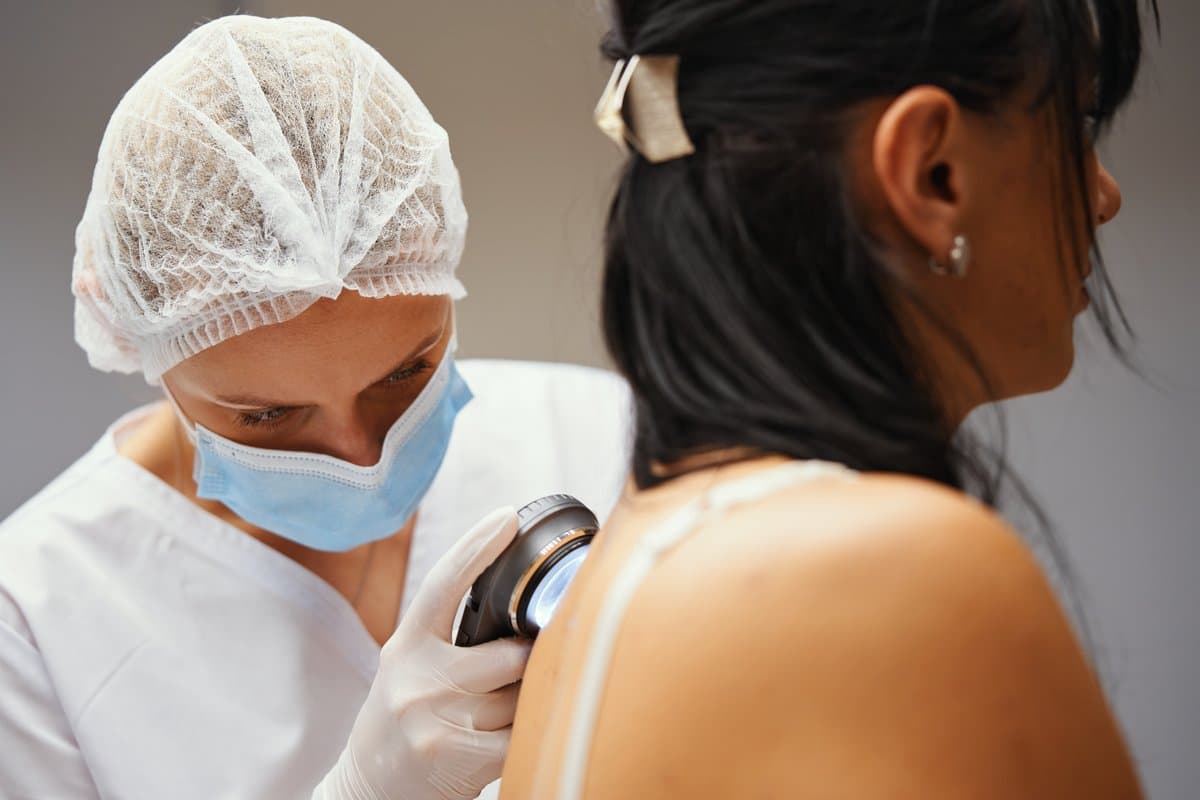
Actinic keratoses require ongoing surveillance because the underlying sun damage that produces them doesn't disappear after treatment — new AKs will continue to emerge from the damaged field, and existing AKs need monitoring for progression. Skinscanner offers an accessible way to document and track your AKs between dermatology appointments. By photographing your sun-exposed skin regularly, you create an objective visual record that reveals changes too subtle or gradual to notice in daily mirror checks.
Our AI can help identify rough, scaly patches characteristic of AKs and flag changes that may indicate progression — thickening, elevation, or rapid growth warranting professional evaluation. For those undergoing field treatment like 5-FU or PDT, documenting your skin before, during, and after treatment creates a valuable record of treatment response and a baseline for detecting future recurrence. The side-by-side comparison capability is particularly useful for monitoring the numerous AKs that many sun-damaged patients develop — tracking ten or twenty individual spots across your face, scalp, and hands over months to years exceeds human memory capacity but is straightforward with photographic documentation. Skinscanner empowers you to participate actively in your own surveillance, supplementing (not replacing) your professional dermatology visits with objective documentation that makes each appointment more productive.