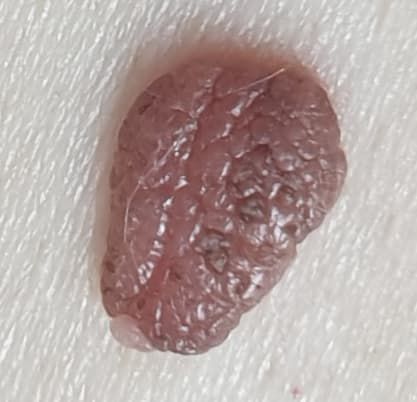
De exacte oorzaak van papillomateuze naevi is niet volledig bekend, maar genetica en UV-blootstelling spelen een grote rol. Familiaire aanleg, blootstelling aan de zon of zonnebanken, en factoren zoals ioniserende straling, virale infecties of herhaalde huidbeschadiging kunnen allemaal bijdragen aan hun verschijning of groei.
Papillomateuze naevi worden als veilig beschouwd en hebben een zeer laag risico om in melanoom te veranderen. De belangrijkste zorg is wanneer een moedervlek begint te veranderen in grootte, vorm, kleur of gevoel, vooral na trauma of zware UV-blootstelling, wat een doktersbezoek zou moeten uitlokken.
De meeste papillomateuze naevi hebben geen behandeling nodig en kunnen eenvoudig worden gecontroleerd. Als verwijdering nodig is om medische of cosmetische redenen, is chirurgische excisie met histologie de aanbevolen methode, terwijl laser of bevriezing meestal wordt afgeraden voor gepigmenteerde verheven moedervlekken.
Je kunt papillomateuze naevi niet volledig voorkomen omdat genetica een grote rol speelt, maar je kunt risico's verminderen door UV-blootstelling te beperken, zonnebanken te vermijden en je huid te beschermen tegen chronisch trauma. Regelmatige zelfcontroles, AI-ondersteunde monitoring en tijdige doktersbezoeken voor veranderende moedervlekken helpen bij het voorkomen van late detectie van melanoom.
Wanneer een Dokter Te Zien?
Raadpleeg een dermatoloog als een papillomateuze naevus verandert in grootte, vorm, kleur of gevoel, of als het herhaaldelijk getraumatiseerd of cosmetisch storend is. Routinecontroles elke 1-2 jaar zijn verstandig als je veel moedervlekken hebt, waarbij je onze AI-huidanalyse tussen de bezoeken gebruikt om veranderingen te monitoren.
De meeste papillomateuze naevi zijn niet urgent en kunnen tijdens een routinematig dermatologisch bezoek worden beoordeeld. Als je snelle veranderingen, nieuwe symptomen zoals bloeden of pijn, of een moedervlek die er heel anders uitziet dan je andere opmerkt, moet je binnen weken in plaats van maanden een afspraak maken.