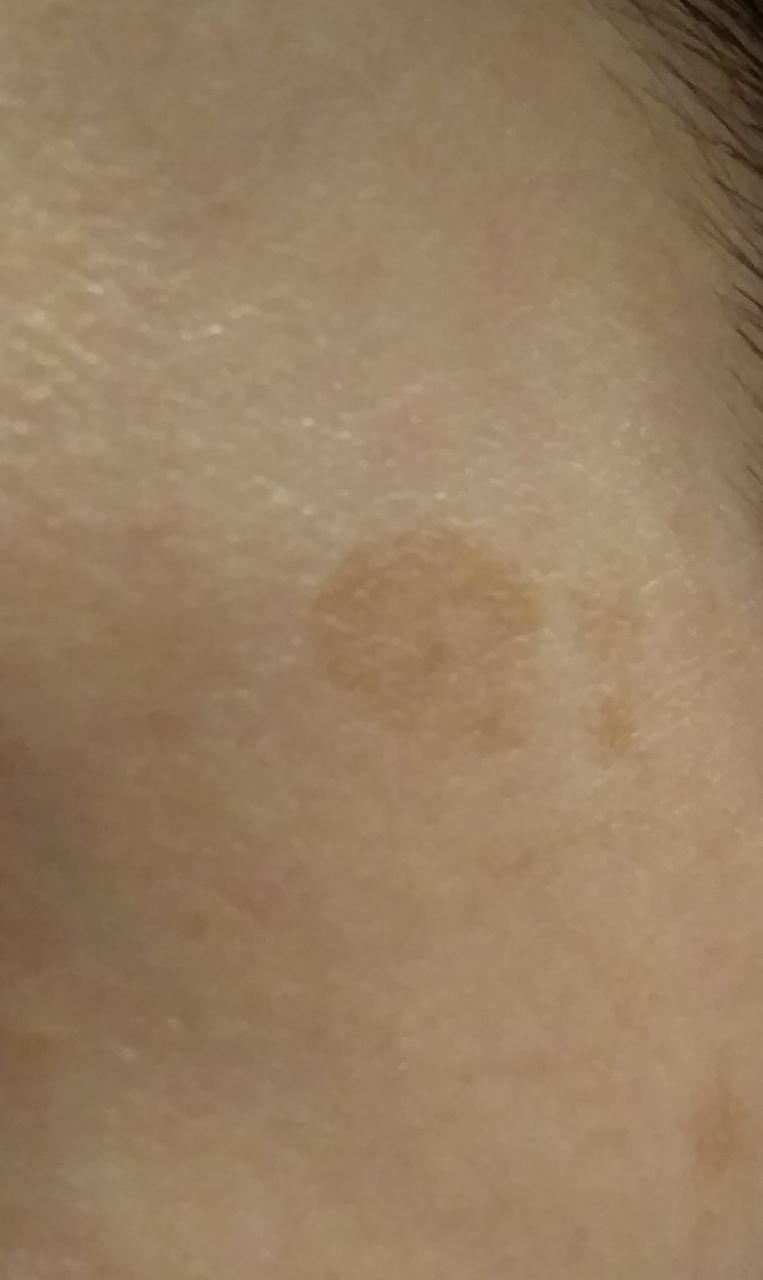
El lentigen es desenvolupa quan certes cèl·lules de la pell produeixen melanina extra, generalment després d'anys d'exposició als UV del sol o llits de bronzejat. L'edat, la pell clara, les hormones, la genètica i de vegades el dany previ a la pell o la radiació també hi juguen un paper. En les persones més joves, el lentigen és menys comú i pot estar lligat a problemes hormonals o metabòlics. Sovint, diversos factors s'afegeixen en lloc d'una única causa.
El lentigen simple en si mateix té un risc molt baix de convertir-se en melanoma, similar a la pell normal. El principal risc és no detectar un melanoma precoç o lentigen maligne que sembla una taca solar inofensiva. L'exposició addicional als UV, la irritació crònica i l'edat avançada augmenten el risc general de càncer de pell. Les auto-revisions regulars, la nostra anàlisi de pell amb IA i les visites periòdiques al dermatòleg ajuden a mantenir aquest risc sota control.
La majoria dels lentígens no necessiten tractament tret que no t'agradi com es veuen o la taca estigui en una àrea d'alt risc que rep fricció constant. Les opcions inclouen l'eliminació quirúrgica per a lesions úniques i mètodes cosmètics com làsers, peelings químics o tractaments basats en llum per a múltiples taques. Qualsevol procediment destructiu només s'ha de realitzar després que un dermatòleg o oncòleg hagi examinat la lesió, idealment amb dermatoscòpia o biòpsia si és necessari. Després de l'eliminació, l'àrea s'ha de monitoritzar per a qualsevol nou o recurrent pigment, utilitzant fotos o la nostra anàlisi de pell amb IA.
Pots reduir la possibilitat de nous lentígens i baixar el risc de càncer limitant l'exposició als UV, evitant els llits de bronzejat i utilitzant protector solar d'ampli espectre diàriament. Utilitza barrets i roba protectora, i evita la fricció o irritació crònica de les mateixes àrees de la pell. Segueix les normes de seguretat si treballes amb radiació o productes químics que danyen la pell. Les auto-revisions regulars, la nostra anàlisi de pell amb IA i les visites oportunes al dermatòleg són clau per a la prevenció i detecció precoç.
Consulta un dermatòleg si una taca marró és nova, està canviant, és molt fosca, irregular, o comença a picar, sagnar o formar crostes, o si tens moltes taques solars i un historial d'exposició intensa al sol. Les revisions de rutina cada 1-2 anys són assenyades si tens més de 35 anys, pell clara o moltes lesions pigmentades. Utilitza la nostra anàlisi de pell amb IA entre visites per monitoritzar les teves taques i decidir quan alguna cosa necessita una revisió professional.
La majoria dels lentígens no són urgents i poden ser revisats en una visita rutinària al dermatòleg. No obstant això, si una taca que sembla una taca solar o d'edat comença a canviar ràpidament, es fa molt fosca o irregular, o comença a picar, sagnar o formar crostes, hauries de veure un dermatòleg en setmanes en lloc de mesos.