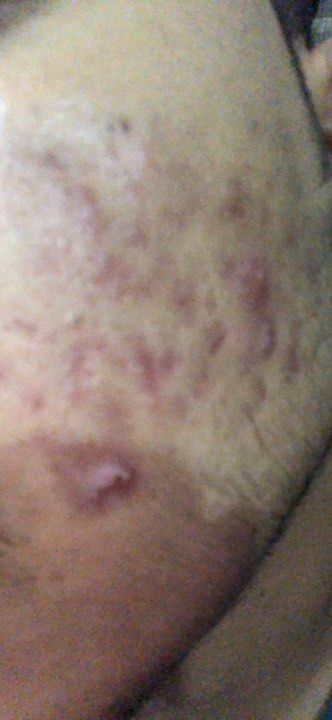
Zystische Akne entwickelt sich, wenn Talgdrüsen zu viel Talg produzieren, Poren verstopfen und Hautbakterien eine starke Entzündungsreaktion tief in der Haut auslösen. Hormone, Genetik, Stress, einige Kosmetika und Lebensstilfaktoren tragen alle dazu bei, aber es gibt selten eine einzige Ursache.
Zystische Akne ist nicht lebensbedrohlich, birgt jedoch ein hohes Risiko für dauerhafte Narben und dunkle Flecken sowie eine starke psychologische Auswirkung. Sehr entzündete oder unbehandelte Läsionen können selten zu tieferen Hautinfektionen und erheblichem Stress oder Depressionen führen.
Die Behandlung von zystischer Akne kombiniert in der Regel verschreibungspflichtige Tabletten (wie orale Antibiotika oder Isotretinoin), medizinische Cremes oder Gele und unterstützende kosmetische Pflege. Nachdem die Entzündung unter Kontrolle ist, können Verfahren wie Laser, Peelings oder Microneedling helfen, Narben und dunkle Flecken zu verbessern.
Du kannst zystische Akne nicht vollständig verhindern, wenn du genetisch dazu neigst, aber du kannst Schübe reduzieren, indem du sanfte, nicht komedogene Hautpflege verwendest, das Ausdrücken vermeidest, Stress managst und einen gesunden Lebensstil führst. Eine frühzeitige Behandlung selbst von „moderater“ Akne ist eine der besten Möglichkeiten, um tiefe Zysten und Narben zu verhindern.
Wann sollte man einen Arzt aufsuchen?
Du solltest einen Dermatologen wegen zystischer Akne aufsuchen, besonders wenn du tiefe schmerzhafte Knoten, Narbenbildung hast oder wenn rezeptfreie Produkte nach einigen Monaten nicht geholfen haben. Endokrinologen, Gynäkologen oder Psychologen können ebenfalls beteiligt sein, wenn hormonelle oder psychologische Probleme vorliegen.
Zystische Akne sollte innerhalb von Wochen, nicht Jahren, von einem Dermatologen bewertet werden, aufgrund des hohen Risikos von Narbenbildung und psychologischen Auswirkungen. Suche dringendere Hilfe, wenn du schnell schlimmer werdende schmerzhafte Knötchen, Anzeichen einer Infektion oder starke Stimmungsschwankungen im Zusammenhang mit deiner Haut hast.