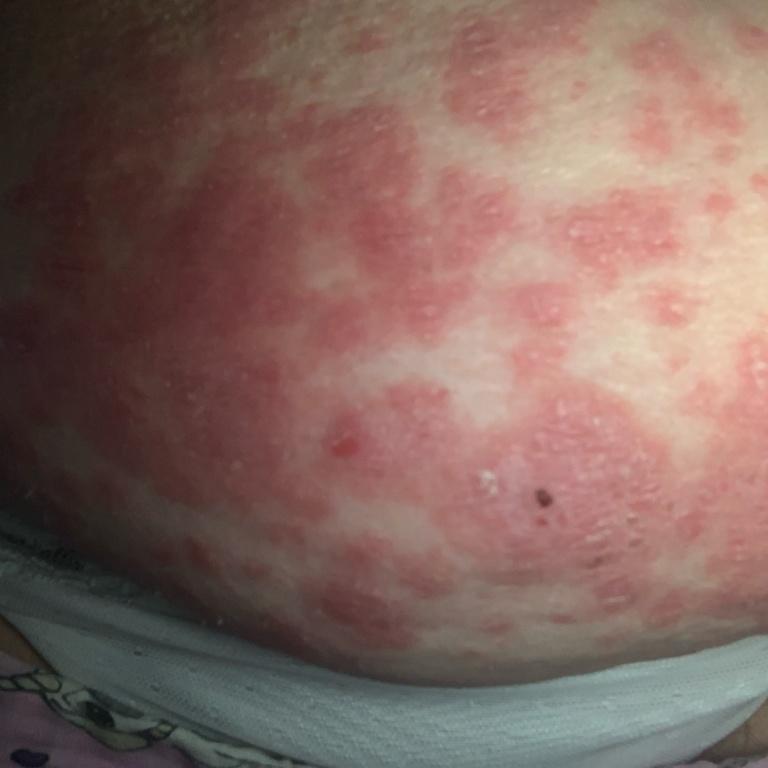
Cauza exactă a psoriazisului pustular nu este pe deplin înțeleasă, dar implică un răspuns imun hiperactiv la persoanele cu predispoziție genetică. Exacerbările sunt adesea declanșate de anumite medicamente, retragerea bruscă a steroizilor, infecții, fumat, stres sau iritații puternice ale pielii.
Ești la un risc mai mare de psoriazis pustular dacă ai deja psoriazis, fumezi, iei anumite medicamente sau ai schimbări bruște în tratamentul cu steroizi. Formele generalizate pot afecta întregul corp și pot duce la complicații grave implicând sângele, rinichii și ficatul.
Tratamentul se concentrează pe calmarea inflamației, îndepărtarea solzilor groși și prevenirea complicațiilor, folosind un amestec de creme și medicamente sistemice. În funcție de severitate, medicii pot folosi creme keratolitice, steroizi topici, inhibitori de calcineurină, retinoizi, imunosupresoare și medicamente biologice moderne, plus fototerapie în cazurile stabile.
Nu poți preveni complet psoriazisul pustular, dar poți reduce exacerbările prin a nu fuma, a limita alcoolul, a evita declanșatorii cunoscuți de medicamente și iritanții puternici ai pielii și a menține stresul și greutatea sub control. Verificările regulate și ajustarea timpurie a tratamentului, susținute de analiza noastră AI a pielii, ajută la menținerea bolii mai stabile.
Oricine suspectează psoriazisul pustular ar trebui să vadă un dermatolog, iar cazurile generalizate sau care se agravează rapid au adesea nevoie de îngrijire urgentă în spital. Urmărirea continuă este importantă pentru a monitoriza pielea, a ajusta tratamentul sistemic și a verifica complicațiile.
Psoriazisul pustular localizat, stabil ar trebui evaluat de un dermatolog în câteva săptămâni, dar orice exacerbare bruscă cu pustule extinse, febră sau senzație de foarte rău necesită îngrijire urgentă sau de urgență în aceeași zi. Psoriazisul pustular generalizat poate fi amenințător pentru viață dacă nu este tratat rapid.