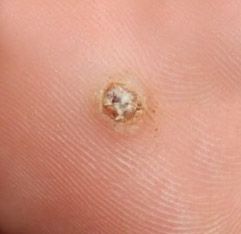
Plantar warts are caused by infection of the skin with human papillomavirus (HPV), usually low‑risk types that do not tend to cause cancer. The virus enters through tiny breaks in the skin, especially on moist, softened soles exposed in places like pools, showers, and gyms. Not everyone exposed to HPV gets warts; weak immunity, chronic skin damage, diabetes, obesity, and poor hygiene can increase the risk. Pregnancy, stress, and serious infections can also lower your defenses and make warts more likely.
Plantar warts themselves are considered benign and have a very low risk of turning into cancer. The main problems are pain when walking, bleeding or infection if they are picked or injured, and spread to other areas or people. Very rapid growth, a big change in color or shape, or a new strong pain or itching should be checked by a doctor to rule out other skin tumors. Multiple or recurrent warts can also signal a weakened immune system or chronic HPV carriage.
Plantar warts can be treated with destructive methods such as laser, cryotherapy with liquid nitrogen, radiofrequency removal, or electrocoagulation. If there is any doubt about the diagnosis, or if less‑invasive methods are not possible, surgical excision with histology is used. Self‑cutting, burning, or picking warts at home is unsafe because of bleeding, infection, scarring, and the risk of missing a skin cancer. Even after successful removal, warts can recur, so follow‑up and prevention are important.
You can lower your risk of plantar warts by protecting your feet in public showers, pools, and gyms, and by not walking barefoot in these places. Keep feet clean and dry, change socks daily, and wear well‑fitting shoes to avoid chronic rubbing and small skin injuries. Support your immune system with good sleep, nutrition, and timely treatment of infections and chronic diseases like diabetes. After a wart appears or is removed, limit UV exposure on that area, avoid repeated trauma, and check the skin regularly or use our AI skin analysis for monitoring.
Most plantar warts are not urgent, but you should see a dermatologist if they are painful, spreading, bleeding, or not improving with simple care. You should also get checked if the lesion looks unusual for a wart, changes quickly, or if you have diabetes, poor circulation, or a weak immune system. Our AI skin analysis can help you monitor the wart between visits, but it does not replace an in‑person exam and biopsy when needed.
Plantar warts are usually a low‑urgency problem and can be evaluated by a dermatologist on a routine basis, especially if they are stable and only mildly uncomfortable. Seek earlier care if the lesion changes quickly, becomes very painful, bleeds, looks atypical for a wart, or if you have diabetes, poor circulation, or a weak immune system.