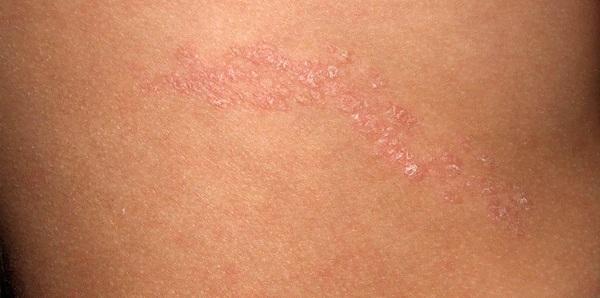
The exact cause of linear lichen is unknown, but it seems to be linked to how the skin develops along Blaschko lines and may be triggered by infections, minor skin injuries, vaccines, medications in pregnancy, or allergies. It is not considered contagious and usually is not clearly inherited.
Linear lichen mainly affects children and is seen a bit more often in girls and in those with allergies or atopic dermatitis. The main “risk” is temporary cosmetic concern or itching; long‑term complications or serious health problems are very rare.
Most cases of linear lichen do not need active treatment and clear on their own within 3–12 months. Moisturizing creams and, if needed, mild to moderate topical steroids can ease itching and redness, while regular photo monitoring with our AI skin analysis helps track natural healing.
There is no proven way to fully prevent linear lichen, since the exact cause is unknown. Gentle skin care, avoiding harsh irritation, and good control of allergies or eczema may help reduce triggers, while regular AI skin analysis can catch changes early and support calm monitoring.
You should see a dermatologist to confirm the diagnosis if a new linear rash appears, especially in a child, or if there is nail damage, strong itching, or uncertainty about what it is. After confirmation, most cases just need periodic check‑ins and home care, which you can support by using our AI skin analysis for routine monitoring.
Linear lichen is not an emergency and usually does not require urgent care; it can safely wait for a routine dermatology appointment. Seek prompt medical attention only if the rash becomes painful, very swollen, infected, or is accompanied by fever or the child seems unwell.