
Príčiny
Presná príčina lichen planus nie je známa, ale predpokladá sa, že súvisí s nadmernou imunitnou odpoveďou. U niektorých ľudí môže byť vyvolaná určitými liekmi, infekciou hepatitídou C alebo kontaktom s toxickými látkami, ako sú ťažké kovy.
Frekvencia
Nezvyčajné
Veková skupina
Dospelí a starší
Pokrok
Chronické
Nákazlivé
Nie
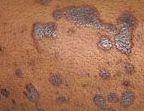
Lichen planus je neinfekčné zápalové ochorenie, ktoré môže postihnúť kožu, ústa, nechty, pokožku hlavy a genitálnu oblasť. Zvyčajne sa prejavuje ako svrbivé, ploché, fialové alebo červenkasté hrbolčeky a po zahojení môže zanechať tmavé škvrny.
Toto sú všeobecné informácie. Skenovaním dostaneš podrobnú, personalizovanú analýzu — vrátane individuálneho hodnotenia rizika, sledovania pokroku a odporúčaných krokov.
Presná príčina lichen planus nie je známa, ale predpokladá sa, že súvisí s nadmernou imunitnou odpoveďou. U niektorých ľudí môže byť vyvolaná určitými liekmi, infekciou hepatitídou C alebo kontaktom s toxickými látkami, ako sú ťažké kovy.
Lichen planus je bežnejší u dospelých, najmä u ľudí stredného veku, a o niečo častejšie u žien. Riziká sú vyššie, ak máš určité autoimunitné ochorenia, chronickú hepatitídu C alebo užívaš lieky známe tým, že vyvolávajú podobné vyrážky.
Lichen planus sa často zlepšuje sám, ale liečba môže zmierniť svrbenie, bolesť a predchádzať komplikáciám, ako sú jazvy alebo strata vlasov. Bežné liečby zahŕňajú lokálne steroidné krémy, antihistaminiká na svrbenie, UV svetelnú terapiu a v odolných prípadoch lieky ako retinoidy alebo takrolimus.
Neexistuje žiadny zaručený spôsob, ako predchádzať lichen planus, ale môžeš znížiť vzplanutia tým, že sa vyhneš poraneniam kože, zvládaš stres a prehodnotíš lieky, ktoré môžu vyvolať podobné vyrážky. Pri postihnutí úst je kľúčové nefajčiť, vyhýbať sa alkoholu a jemná ústna starostlivosť.
Mal by si navštíviť dermatológa, aby potvrdil diagnózu, vylúčil podobné stavy a dostal liečbu, ak máš silné svrbenie, vredy v ústach alebo na genitáliách, zmeny na nechtoch alebo stratu vlasov na pokožke hlavy. Pravidelné sledovanie je dôležité pre dlhotrvajúci orálny alebo genitálny lichen planus.
Lichen planus zvyčajne nie je núdzový stav, ale mal by si si dohodnúť rutinnú návštevu dermatológa do niekoľkých týždňov, skôr, ak máš bolestivé vredy v ústach alebo na genitáliách, zničené nechty alebo príznaky straty vlasov na pokožke hlavy.
Informácie poskytnuté tu sú len na vzdelávacie účely a nenahrádzajú profesionálne lekárske poradenstvo. Vždy sa poraď s dermatológom alebo lekárom, ak máš akékoľvek obavy.
Acne vulgaris je veľmi bežné chronické zápalové ochorenie kože, ktoré postihuje vlasové folikuly a mazové žľazy, hlavne na tvári, hrudníku, chrbte a pleciach. Prejavuje sa ako čierne bodky, biele bodky, červené hrbolčeky, miesta naplnené hnisom a niekedy hlbšie uzliny, cysty, jazvy a tmavé škvrny.
Rosacea je chronické zápalové ochorenie kože, ktoré postihuje hlavne strednú časť tváre a spôsobuje pretrvávajúce začervenanie, viditeľné krvné cievy a niekedy akné podobné vyrážky alebo podráždenie očí. Má tendenciu sa zhoršovať v reakcii na spúšťače ako teplo, alkohol, korenené jedlo alebo stres a zvyčajne vyžaduje dlhodobú, prispôsobenú starostlivosť namiesto rýchlej jednorazovej liečby.
Cystická akné je závažná, chronická forma akné, pri ktorej sa v koži tvoria hlboké, bolestivé uzliny a cysty, ktoré často zanechávajú jazvy. Zvyčajne postihuje tvár, hrudník, chrbát a ramená a vyžaduje si správnu lekársku liečbu namiesto len kozmetickej starostlivosti.
Ekzém je skupina zápalových kožných ochorení, ktoré spôsobujú začervenanie, intenzívne svrbenie, suchosť a niekedy aj mokvanie alebo tvorbu krust. Môže byť akútny s pľuzgiermi a opuchom alebo chronický so zhrubnutou, popraskanou kožou a často sa zhoršuje v chladných, suchých obdobiach a zlepšuje sa v lete.