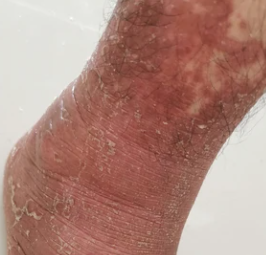
The exact cause of Devergie disease is still unclear. It likely involves a mix of genetic predisposition, immune system dysregulation, and sometimes triggers like infections or HIV, but it is not caused by infection and is usually not inherited.
Devergie disease can affect both men and women at any age, with some forms more common in adults and others in children. Risk is higher in people with HIV and in families with known inherited cases, but for most people it appears without a clear risk factor.
Treatment for Devergie disease usually combines rich moisturizers, medicated creams, and systemic medicines like retinoids, methotrexate, or sometimes biologics for more severe cases. Therapy aims to reduce redness, scaling, and pain, and often needs to be adjusted over time by a dermatologist.
There is no proven way to prevent Devergie disease, since the cause is mostly genetic and immune‑related. You can, however, protect your skin barrier, avoid harsh irritants, and follow your treatment plan to reduce flares and complications.
You should see a dermatologist for diagnosis and long‑term management of Devergie disease, especially if the rash is spreading, painful, or affecting your daily activities. Regular follow‑ups help adjust treatment and monitor for side effects of stronger medicines.
Devergie disease usually needs a non‑urgent but timely visit to a dermatologist, as it is chronic but not immediately dangerous. However, if your skin suddenly becomes very red over most of your body, you develop fever, chills, or feel very weak, you should seek urgent medical care or emergency evaluation.