
Penyebab
Penyebab pasti panu berkilau tidak diketahui, tetapi diduga terkait dengan respons imun yang berlebihan di kulit. Infeksi, cedera kulit, stres, penyakit kulit lainnya, dan kelemahan imun dapat bertindak sebagai pemicu.
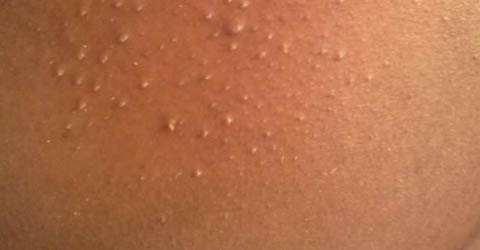
Lichen nitidus (Panu berkilau)
Frekuensi
Langka
Kelompok Usia
Anak-anak
Perkembangan
Membatasi Diri
Menular
Tidak
Panu berkilau (lichen nitidus) adalah kondisi kulit yang langka, berlangsung lama tetapi biasanya tidak berbahaya dengan benjolan kecil, halus, dan berkilau pada kulit. Ini tidak menular, sering kali tidak menyebabkan gejala, dan banyak kasus sembuh sendiri tanpa pengobatan.
Ini adalah informasi umum. Dengan pemindaian Anda akan menerima analisis terperinci yang dipersonalisasi — termasuk penilaian risiko individu, pelacakan perkembangan, dan tindakan yang disarankan.
Penyebab pasti panu berkilau tidak diketahui, tetapi diduga terkait dengan respons imun yang berlebihan di kulit. Infeksi, cedera kulit, stres, penyakit kulit lainnya, dan kelemahan imun dapat bertindak sebagai pemicu.
Panu berkilau dapat mempengaruhi kedua jenis kelamin dan semua usia tetapi lebih sering terlihat pada anak-anak usia sekolah dan dewasa muda. Memiliki dermatitis atopik, penyakit kulit terkait imun lainnya, infeksi kronis, atau sistem imun yang lemah dapat meningkatkan risiko.
Sebagian besar kasus panu berkilau tidak memerlukan pengobatan dan sembuh sendiri selama beberapa bulan. Jika gatal atau penampilan mengganggu Anda, opsi termasuk steroid topikal ringan, inhibitor kalsineurin, fototerapi, atau retinoid di bawah pengawasan dokter kulit.
Tidak ada cara yang dijamin untuk mencegah panu berkilau karena penyebab pastinya tidak diketahui. Langkah-langkah umum seperti mengobati infeksi kronis, mengelola stres, melindungi kulit dari cedera dan dingin ekstrem, dan menghindari produk yang mengiritasi dapat membantu mengurangi flare.
Temui dokter kulit untuk memastikan bahwa ruam benar-benar panu berkilau dan bukan kondisi lain yang terlihat serupa. Dapatkan perawatan darurat jika ruam menyebar dengan cepat, menjadi sangat sakit, melepuh, atau Anda merasa tidak sehat dengan demam atau gejala sistemik lainnya.
Panu berkilau biasanya memiliki urgensi rendah dan dapat dinilai dalam kunjungan dermatologi rutin. Dapatkan perawatan medis segera jika ruam berubah dengan cepat, menjadi sakit, melepuh, atau Anda merasa tidak sehat secara umum.
Informasi yang diberikan di sini hanya untuk tujuan pendidikan dan tidak menggantikan nasihat medis profesional. Selalu konsultasikan dengan dokter kulit atau dokter jika Anda memiliki kekhawatiran.
Komedo terbuka, atau komedo, adalah sumbatan kecil dari minyak dan sel kulit mati yang menghalangi pembukaan pori dan berubah gelap saat terpapar udara. Ini adalah bentuk jerawat yang tidak meradang dan paling sering muncul di wajah, leher, dada, punggung, dan bahu. Komedo biasanya tidak berbahaya tetapi dapat menjadi masalah kosmetik dan dapat berkembang menjadi jerawat meradang jika bakteri tumbuh berlebihan.
Kulit Anda tampak normal secara klinis, tanpa tanda-tanda penyakit atau kerusakan yang perlu diobati saat ini. Namun, penting untuk tetap memantau kulit Anda dan menggunakan analisis kulit AI kami secara teratur untuk menangkap perubahan di masa depan lebih awal.
Milia adalah kista kecil berwarna putih atau kekuningan tepat di bawah permukaan kulit, paling sering terlihat di wajah. Mereka tidak berbahaya, tidak menular, dan biasanya hanya menyebabkan kekhawatiran kosmetik daripada masalah kesehatan.
Nevus papilomatosa adalah tahi lalat terangkat yang umum dan jinak yang berada di atas permukaan kulit dan sering terlihat bergelombang atau seperti kutil. Biasanya muncul pada masa kanak-kanak atau dewasa muda, bisa tunggal atau banyak, dan paling sering muncul di wajah, kulit kepala, leher, atau batang tubuh. Warnanya bervariasi dari warna kulit hingga cokelat tua, dan batasnya biasanya jelas dan rata. Sangat jarang berubah menjadi melanoma, tetapi setiap perubahan dalam tampilan atau rasa harus diperiksa oleh dokter.