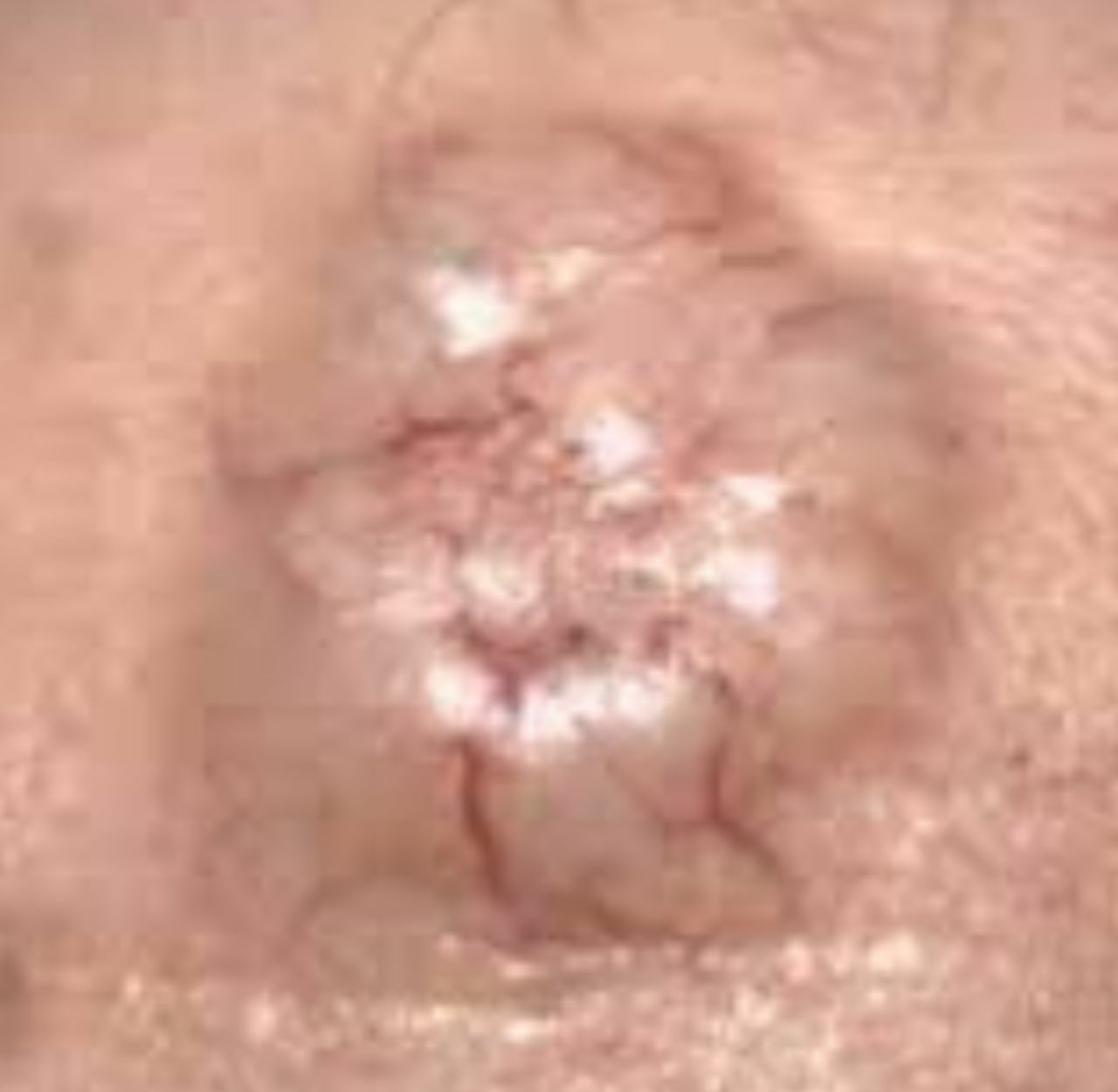
There is no single exact cause of basal cell carcinoma, but long-term UV exposure from the sun or tanning beds is the main driver. Ionizing radiation, certain harmful chemicals, and chronic skin injuries also increase the risk, especially in fair‑skinned people.
Basal cell carcinoma rarely spreads through the body, so the main risk is local destruction of skin and deeper tissues if treatment is delayed. People who have had one basal cell carcinoma have a higher chance of getting new ones and should have regular skin checks.
The main treatment for basal cell carcinoma is complete surgical removal of the tumor with a margin of healthy skin. In some cases, radiation therapy or carefully selected topical treatments may be used, but the key goal is full removal to minimize the risk of recurrence.
You can lower your risk of basal cell carcinoma by limiting UV exposure, using broad‑spectrum sunscreen, avoiding tanning beds, and protecting your skin from chronic irritation or harmful chemicals. Regular skin self‑checks and early removal of suspicious spots are also key.
If you notice a non‑healing spot, a shiny bump, or a pink patch that slowly grows or bleeds easily, you should see a dermatologist or oncologist within the next few weeks. Basal cell carcinoma is not an emergency, but it should not be ignored because it can cause deeper tissue damage over time.
Basal cell carcinoma usually grows slowly and is rarely life‑threatening, but it should be evaluated by a dermatologist or oncologist within weeks, not months. Early treatment prevents deeper tissue damage and leads to better cosmetic and functional results.