

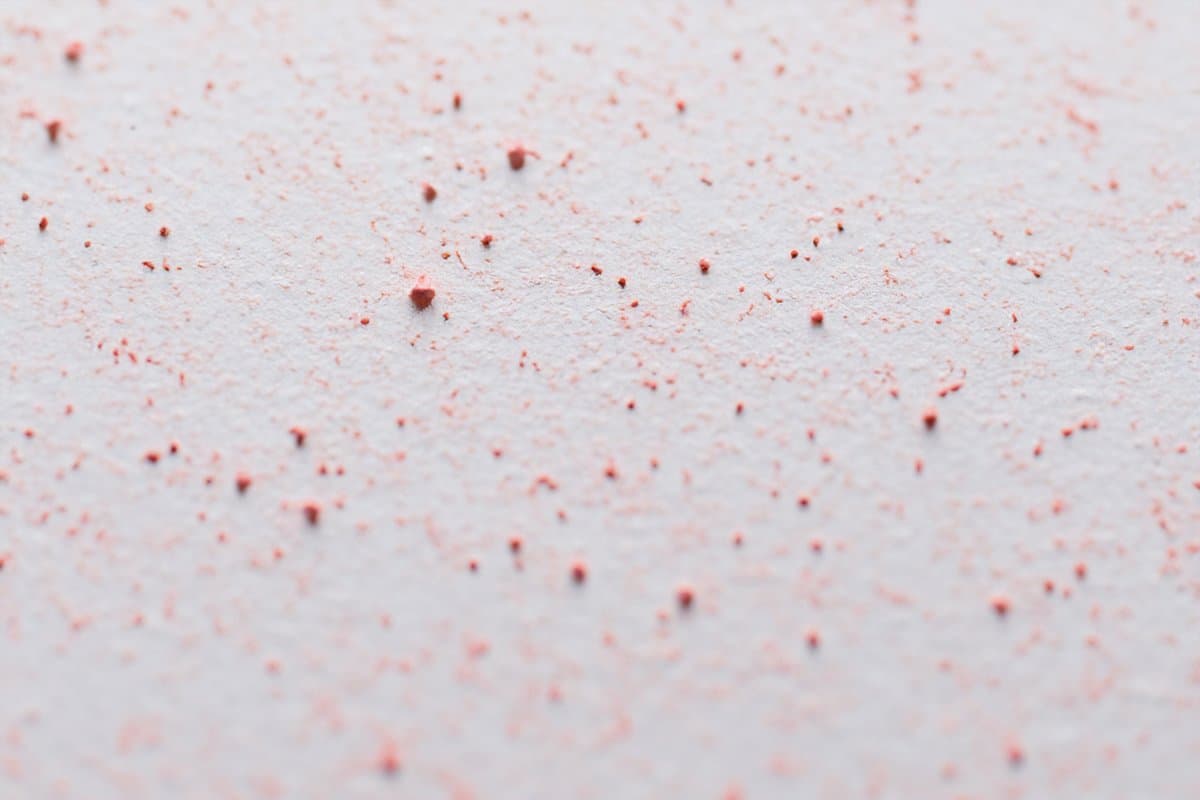
What Petechiae Are and Why They Appear
Petechiae are tiny, flat, round dots that appear on the skin when small blood vessels called capillaries break and leak blood into the surrounding tissue. They typically measure less than two millimeters in diameter and can be red, purple, or brown depending on skin tone and how recent the bleeding is. A simple way to tell petechiae apart from other red spots is the blanching test.
Press a clear glass firmly against the dots. Petechiae do not fade or disappear under pressure because the blood has already leaked outside the vessels into the tissue. Rashes caused by dilated blood vessels, such as those from allergies or infections, will temporarily blanch or fade when pressed.
The causes of petechiae range from completely benign to medically urgent. Straining during coughing, vomiting, or heavy lifting can rupture tiny capillaries, causing petechiae to appear on the face, neck, or chest. This type is harmless and resolves on its own within days.
Certain medications, particularly blood thinners like warfarin and aspirin, nonsteroidal anti-inflammatory drugs, and some antibiotics, can increase the likelihood of petechiae. Petechiae that appear suddenly over large areas of the body, especially when accompanied by fever, fatigue, or easy bruising, require immediate medical evaluation because they can indicate a serious underlying condition affecting blood clotting or platelet function.!! Viral infections are another common trigger, particularly in children.
Many viral illnesses cause temporary drops in platelet counts that lead to petechiae. In most cases, the dots resolve once the infection clears. Older adults may develop petechiae more easily because aging thins the skin and weakens capillary walls, making them more fragile and susceptible to minor trauma.
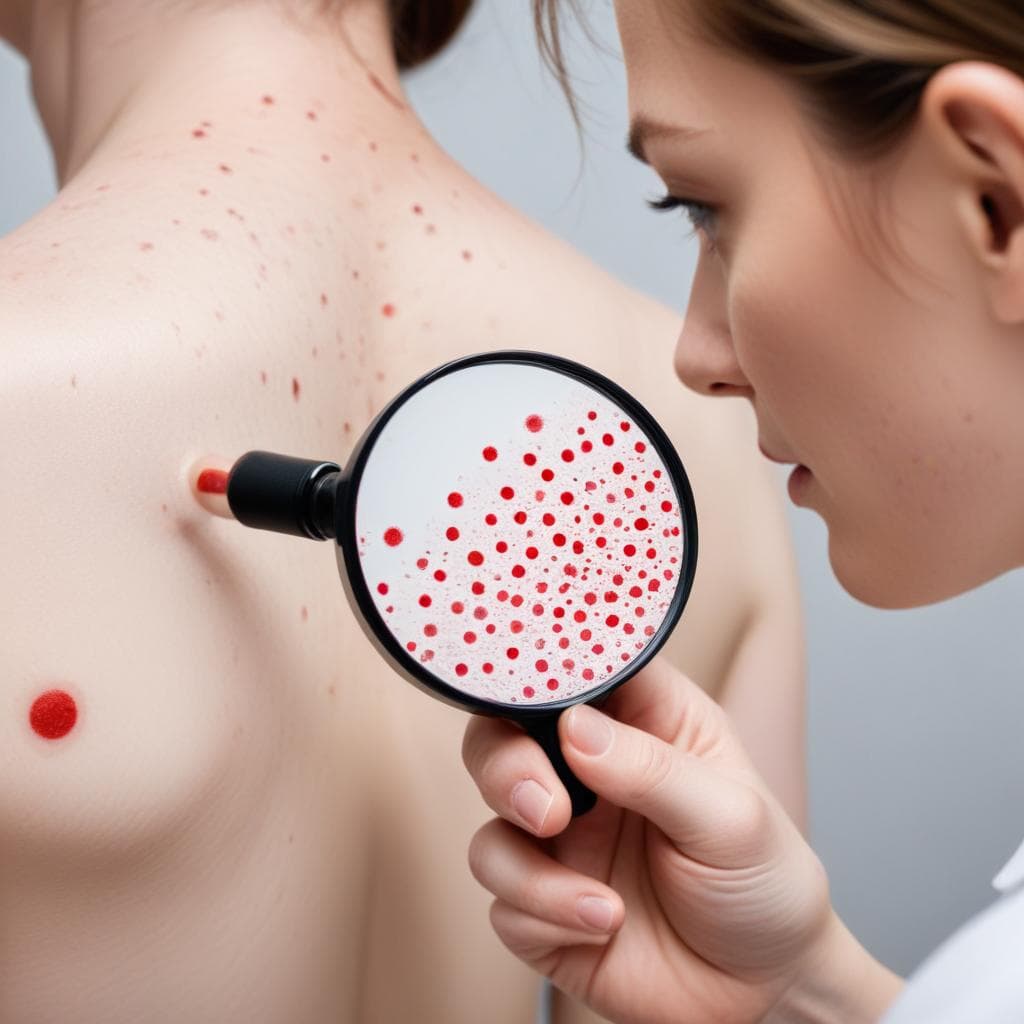
Serious Causes and When to Get Medical Help
While most petechiae are caused by minor capillary damage or temporary platelet changes, several serious conditions can present with petechiae as an early sign. Thrombocytopenia, a low platelet count, can result from bone marrow disorders, autoimmune conditions like immune thrombocytopenic purpura, certain cancers including leukemia, or severe infections. Meningococcal meningitis is a bacterial infection that can cause a rapidly spreading petechial rash along with fever, stiff neck, and severe headache.
This is a medical emergency requiring immediate treatment. Vasculitis, which involves inflammation of blood vessels, can cause petechiae along with joint pain, abdominal pain, and kidney problems. Henoch-Schonlein purpura is a type of vasculitis common in children that causes petechiae predominantly on the legs and buttocks.
Seek emergency medical care if petechiae spread rapidly, appear alongside high fever, are accompanied by unusual bleeding from gums or nose, or if you feel confused or extremely unwell.!! For petechiae caused by straining or minor trauma, no treatment is necessary. The dots typically fade within one to two weeks as the body reabsorbs the leaked blood.
Avoid taking aspirin or ibuprofen if petechiae are present, as these can further impair clotting. If you notice recurring petechiae without an obvious cause, a blood count and clotting panel ordered by your doctor can help identify any underlying issues. Skinscanner can help you document and track petechiae, comparing their distribution and progression over time, which provides valuable information for medical consultations and helps you determine whether the pattern warrants urgent attention.
