

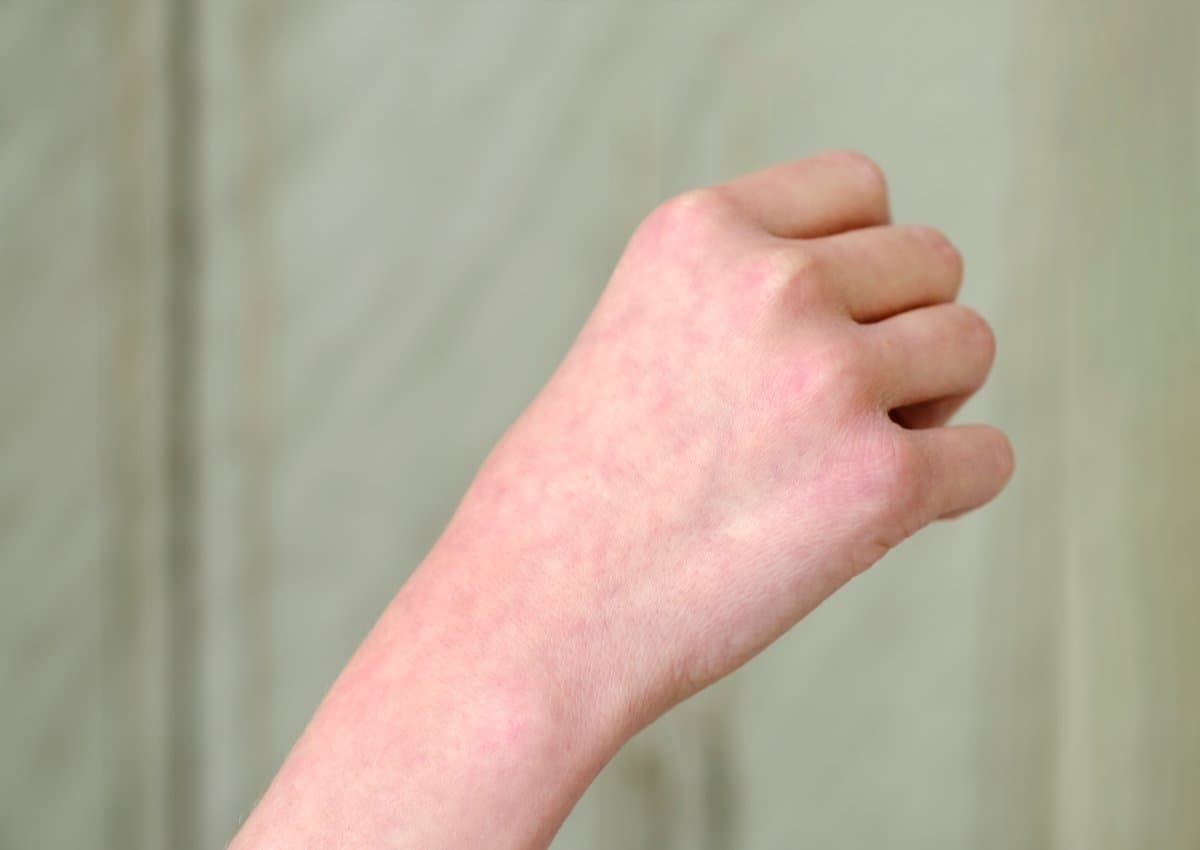
Why Some Rashes Refuse to Fade
A rash that lingers for weeks or even months is your body sending a clear signal that something needs attention. While most acute rashes resolve within a few days to two weeks, a persistent rash points toward an underlying cause that has not been addressed. The most common culprits behind a rash that will not go away include eczema, psoriasis, contact dermatitis, fungal infections, and seborrheic dermatitis.
Eczema produces red, itchy, inflamed patches that flare and recede but rarely disappear entirely without treatment. Psoriasis creates thick, scaly plaques driven by an overactive immune system that accelerates skin cell turnover. Contact dermatitis persists as long as you keep encountering the irritant or allergen responsible, whether that is a laundry detergent, nickel in jewelry, or a skincare ingredient.
Fungal infections like ringworm or tinea versicolor thrive in warm, moist environments and will continue spreading without antifungal treatment. A rash lasting longer than two to three weeks without improvement despite basic home care almost always warrants a professional evaluation to identify the root cause.!! Seborrheic dermatitis targets oily areas like the scalp, face, and chest, producing flaky, reddened skin that cycles through flare-ups.
Drug reactions can also produce rashes that persist for the duration of the medication use. Even stress and hormonal shifts can keep a rash alive by suppressing immune function and increasing skin inflammation. The key to resolving a stubborn rash is accurate diagnosis, because treating eczema like a fungal infection or vice versa will only prolong your discomfort.

Getting to the Root Cause and Finding Relief
Identifying the specific type of rash you are dealing with is the most important step toward clearing it. Start by noting the location, texture, color, and any accompanying symptoms like itching, burning, or pain. A symmetrical rash on both arms or legs often suggests an internal trigger like eczema or an allergic response, while a rash confined to one area may indicate contact dermatitis or a localized infection.
Scaly, well-defined patches with silvery buildup point toward psoriasis, whereas red rings with clear centers are characteristic of fungal infections. For mild cases, keeping the area clean and moisturized with a fragrance-free cream can reduce irritation while you seek a diagnosis. Over-the-counter hydrocortisone cream may temporarily ease inflammation, but using it for more than two weeks without medical guidance can thin the skin and worsen certain conditions.
Antifungal creams resolve fungal rashes within two to four weeks when applied consistently. If your rash is accompanied by fever, rapid spreading, blistering, or pus, seek medical attention promptly as these signs can indicate an infection or a more serious condition requiring prescription treatment.!! Keeping a photo diary of your rash helps track whether it is improving, worsening, or changing character over time, providing valuable information for your healthcare provider.
Many persistent rashes respond well to treatment once properly diagnosed, so do not assume that a stubborn rash is something you simply have to live with. Modern dermatology has effective solutions for nearly every type of chronic rash.
