
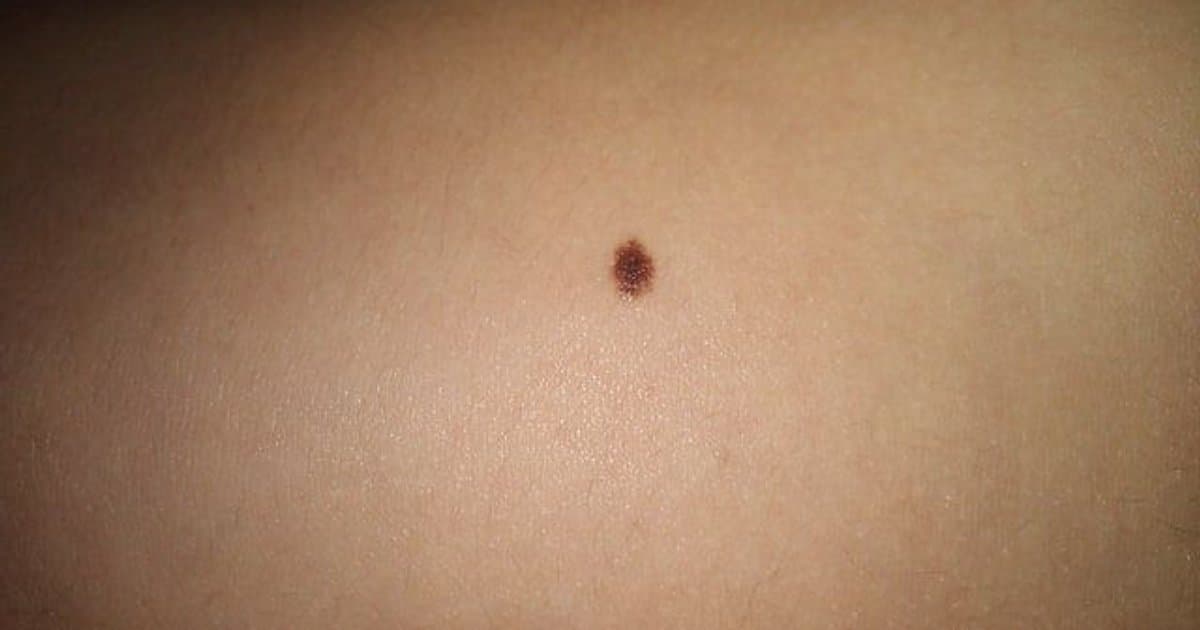
ไฝคืออะไร?
ไฝ — ที่รู้จักกันในทางการแพทย์ว่า melanocytic nevi — เป็นหนึ่งในการเจริญเติบโตของผิวหนังที่พบได้บ่อยที่สุดในมนุษย์ พวกมันปรากฏเป็นจุดเล็กๆ ที่มีสี ซึ่งมีตั้งแต่สีน้ำตาลอ่อนจนถึงเกือบดำ ผู้ใหญ่ส่วนใหญ่มีไฝระหว่าง 10 ถึง 40 ไฝกระจายอยู่ทั่วร่างกาย และในกรณีส่วนใหญ่ พวกมันไม่มีอันตรายเลย ไฝเกิดขึ้นเมื่อเซลล์เมลานิน ซึ่งเป็นเซลล์ที่ผลิตเมลานินในผิวหนังของคุณ เติบโตเป็นกลุ่มแทนที่จะกระจายอย่างสม่ำเสมอ พวกมันสามารถปรากฏได้ทุกที่บนร่างกาย รวมถึงหนังศีรษะ ระหว่างนิ้วมือและนิ้วเท้า และแม้กระทั่งใต้เล็บ แม้ว่าไฝส่วนใหญ่จะพัฒนาในช่วงวัยเด็กและวัยรุ่น แต่ไฝใหม่สามารถปรากฏได้จนถึงวัยผู้ใหญ่
สาเหตุของการเกิดไฝคืออะไร?
การเกิดไฝส่วนใหญ่ได้รับอิทธิพลจากพันธุกรรมและการสัมผัสกับแสงแดด หากพ่อแม่ของคุณมีไฝจำนวนมาก คุณมีแนวโน้มที่จะพัฒนามันเช่นกัน รังสีอัลตราไวโอเลต (UV) จากแสงแดดกระตุ้นเซลล์เมลานิน ซึ่งเป็นเหตุผลว่าทำไมไฝมักปรากฏในพื้นที่ที่สัมผัสกับแสงแดด เช่น ใบหน้า แขน และหลัง การเปลี่ยนแปลงของฮอร์โมนในช่วงวัยรุ่นหรือการตั้งครรภ์อาจกระตุ้นให้เกิดไฝใหม่หรือทำให้ไฝที่มีอยู่เข้มขึ้น ผู้ที่มีผิวขาวมักจะมีไฝมากกว่าผู้ที่มีสีผิวเข้มกว่า แม้ว่ากลไกทางพันธุกรรมที่แน่นอนยังอยู่ในระหว่างการศึกษา แต่ก็ชัดเจนว่าทั้งปัจจัยทางพันธุกรรมและสิ่งแวดล้อมมีบทบาทสำคัญ
ประเภทของไฝที่คุณควรรู้
ไม่ใช่ไฝทุกชนิดที่ถูกสร้างขึ้นมาอย่างเท่าเทียมกัน ไฝทั่วไป (หรือที่เรียกว่า nevi ทั่วไป) มักจะกลม หรือรี ขนาดเล็กกว่า 6 มม.
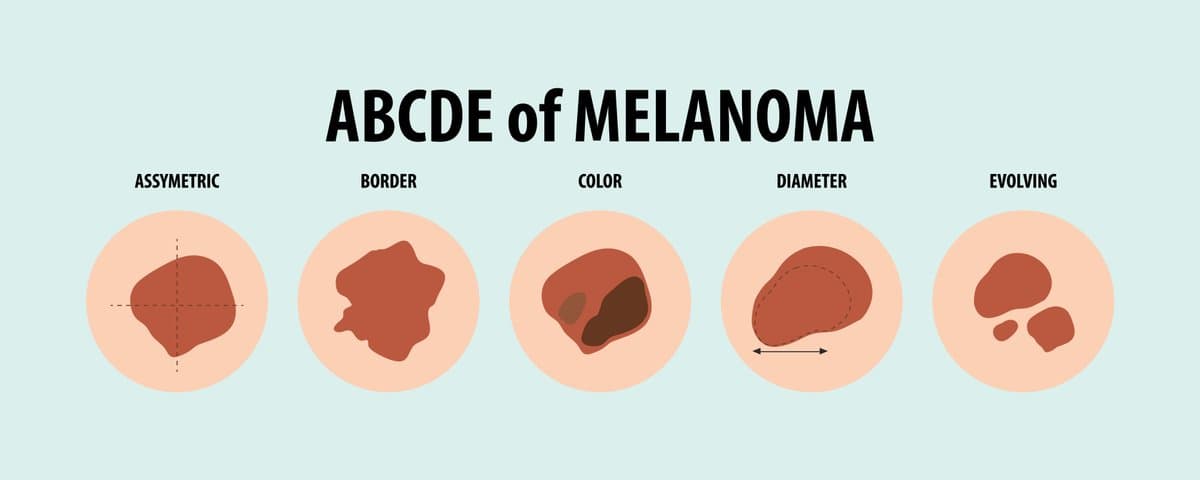
สัญญาณเตือน ABCDE
แพทย์ผิวหนังได้พัฒนากฎ ABCDE เป็นกรอบงานที่ง่ายสำหรับการประเมินไฝ A หมายถึง Asymmetry — หากคุณวาดเส้นผ่านกลางของไฝ ครึ่งหนึ่งของไฝไม่ตรงกัน นั่นคือสัญญาณเตือน B หมายถึง Border irregularity — ไฝที่ไม่เป็นอันตรายมักมีขอบที่เรียบและสม่ำเสมอ ในขณะที่ไฝที่น่าสงสัยอาจมีขอบที่หยักหรือเบลอ C แทนที่การเปลี่ยนแปลงสี — ไฝที่มีหลายเฉดสีของน้ำตาล ดำ แดง ขาว หรือฟ้า ต้องได้รับความสนใจ D หมายถึง Diameter — ไฝที่มีขนาดใหญ่กว่า 6 มม.
เมื่อใดควรพบแพทย์?
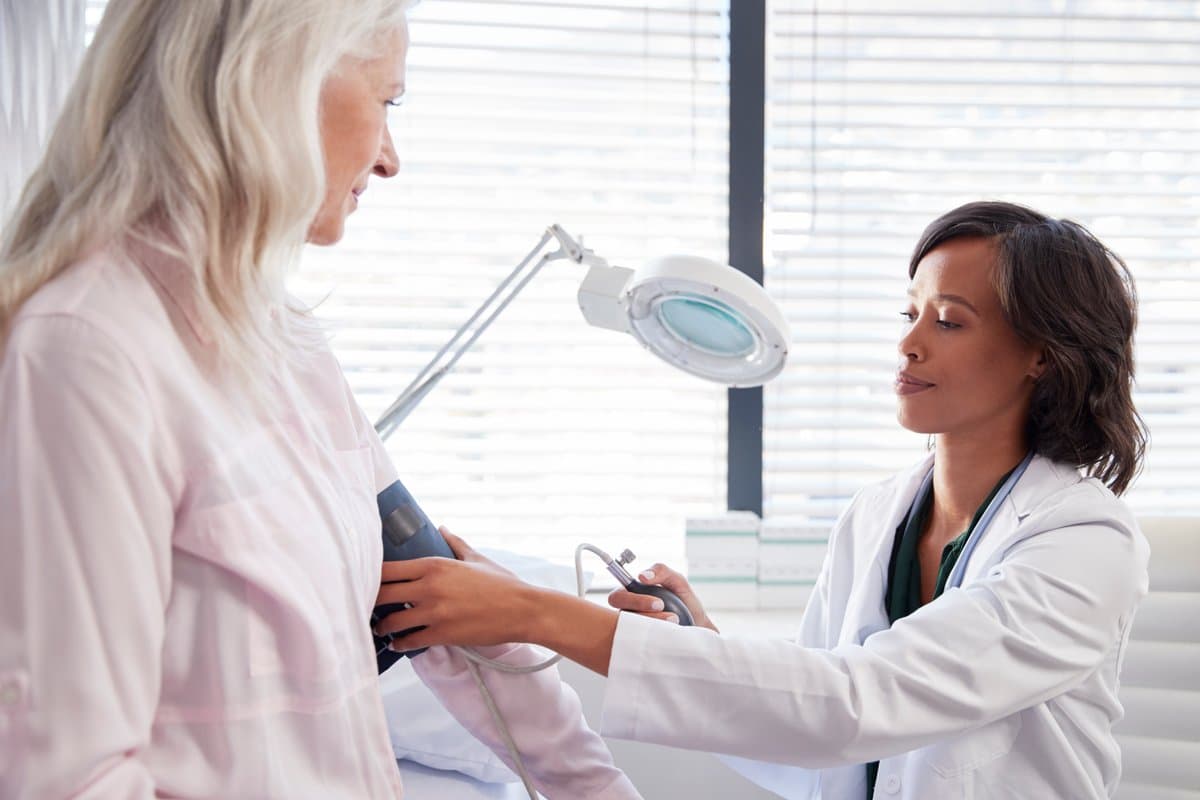
แม้ว่าไฝส่วนใหญ่จะไม่มีอันตราย แต่การเปลี่ยนแปลงบางอย่างต้องการการประเมินจากผู้เชี่ยวชาญ คุณควรปรึกษาแพทย์ผิวหนังหากไฝเปลี่ยนแปลงในขนาด รูปร่าง หรือสี; หากมันเจ็บ คัน หรือเริ่มมีเลือดออก; หากไฝใหม่ปรากฏหลังอายุ 30 ปี; หรือหากไฝดูแตกต่างจากไฝอื่นๆ ของคุณ (ที่เรียกว่า 'นกเป็ดน่าเกลียด') ผู้ที่มีไฝมากกว่า 50 ไฝ ประวัติครอบครัวเป็นมะเร็งผิวหนัง หรือมีประวัติการถูกแดดเผาอย่างรุนแรงควรพิจารณาการตรวจผิวหนังโดยผู้เชี่ยวชาญทุกปี การตรวจพบแต่เนิ่นๆ เป็นสิ่งสำคัญ — เมื่อมะเร็งผิวหนังถูกตรวจพบในระยะเริ่มต้น อัตราการรอดชีวิต 5 ปีจะสูงกว่า 99 เปอร์เซ็นต์
ตัวเลือกการรักษาและการกำจัด
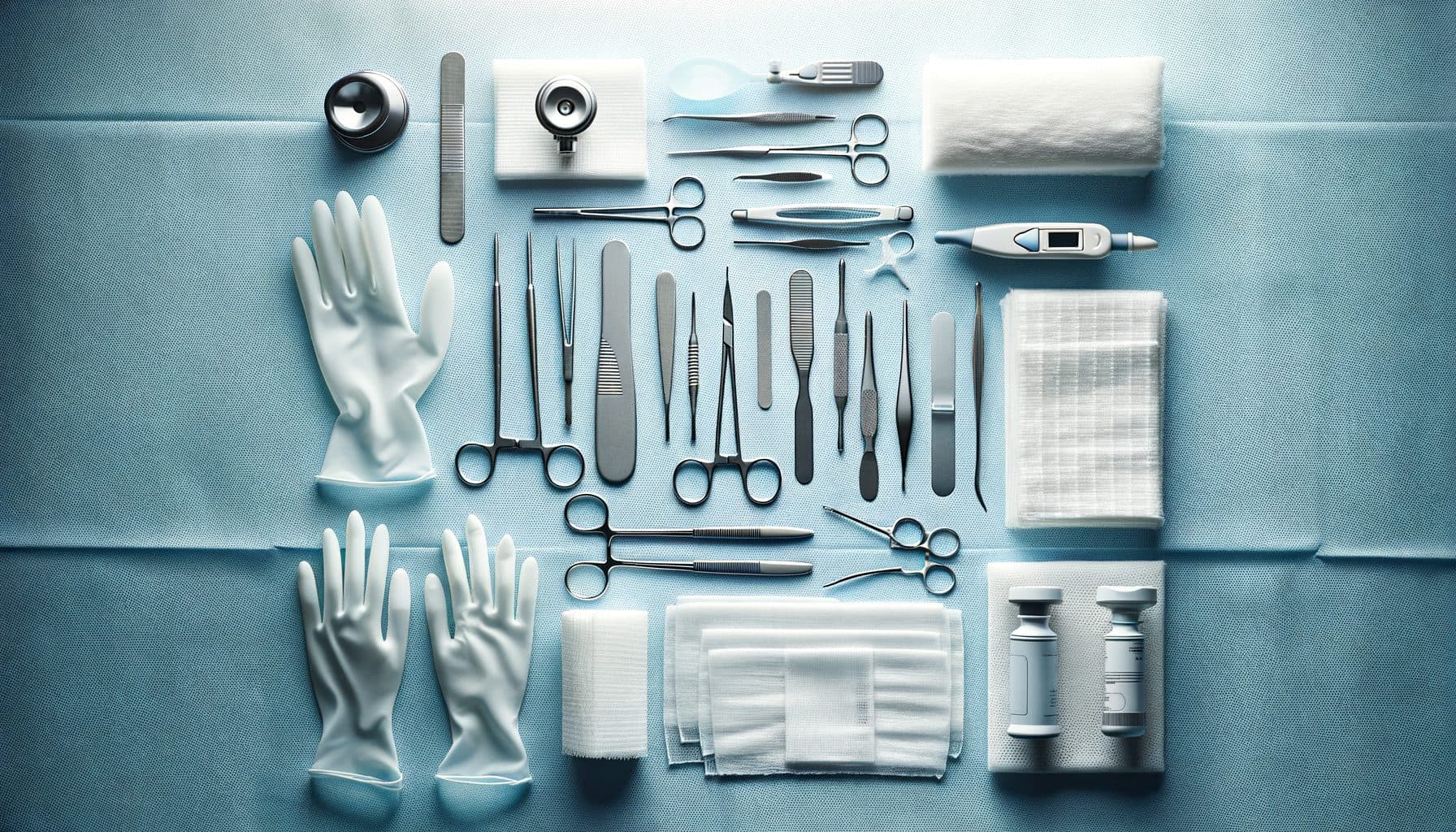
ไฝส่วนใหญ่ไม่ต้องการการรักษา อย่างไรก็ตาม หากไฝน่าสงสัยหรือทำให้เกิดความรำคาญ แพทย์ผิวหนังของคุณอาจแนะนำให้กำจัด การตัดผ่าตัดเกี่ยวข้องกับการตัดไฝออกพร้อมกับขอบเล็กน้อยของผิวหนังรอบข้างและปิดแผลด้วยไหม วิธีนี้เป็นวิธีที่ต้องการเมื่อสงสัยว่ามะเร็งผิวหนัง เนื่องจากช่วยให้มีการวิเคราะห์ทางพยาธิวิทยาอย่างครบถ้วน การตัดออกด้วยการโกนใช้มีดขนาดเล็กเพื่อโกนไฝออกที่ผิวหนังและมักใช้กับไฝที่ยกสูงและไม่เป็นอันตราย การกำจัดด้วยเลเซอร์อาจใช้สำหรับไฝที่แบนและไม่เป็นมะเร็ง แต่ไม่เหมาะสำหรับเลสชั่นที่น่าสงสัยเนื่องจากทำลายเนื้อเยื่อและป้องกันการตรวจชิ้นเนื้อ หลังจากการกำจัดใดๆ เนื้อเยื่อจะถูกส่งไปยังห้องปฏิบัติการพยาธิวิทยาเพื่อการตรวจสอบเพื่อยืนยันว่าไม่มีมะเร็ง
วิธีที่ AI Skin Scanning ช่วยคุณ
การตรวจสอบผิวหนังของคุณเป็นประจำเป็นหนึ่งในวิธีที่มีประสิทธิภาพที่สุดในการจับปัญหาที่อาจเกิดขึ้นในระยะเริ่มต้น Skinscanner ใช้การวิเคราะห์ภาพขั้นสูงที่ได้รับการฝึกฝนจากภาพทางการแพทย์หลายล้านภาพเพื่อตรวจสอบไฝของคุณสำหรับลักษณะที่น่ากังวล โดยการถ่ายภาพไฝของคุณเป็นประจำ คุณสามารถติดตามการเปลี่ยนแปลงเมื่อเวลาผ่านไป — ซึ่งเป็นสิ่งที่ยากที่จะทำด้วยตาเปล่าเพียงอย่างเดียว AI วิเคราะห์ความไม่สมมาตร ความไม่เรียบของขอบ การเปลี่ยนแปลงสี ขนาด และลักษณะอื่นๆ ที่แพทย์ผิวหนังมองหา แม้ว่าการสแกนด้วย AI จะไม่แทนที่การตรวจสอบทางการแพทย์ แต่ก็ทำหน้าที่เป็นเครื่องมือเสริมที่ทรงพลังซึ่งช่วยให้คุณตัดสินใจได้เมื่อการเยี่ยมชมแพทย์เป็นสิ่งที่เหมาะสม