

Lentigo Maligna Melanoma là gì?
Lentigo maligna melanoma (LMM) là một trong bốn phân loại chính của melanoma da, dạng ung thư da nguy hiểm nhất. Nó phát triển từ lentigo maligna, là một dạng melanoma tại chỗ, có nghĩa là các tế bào hắc tố bất thường bị giới hạn ở lớp ngoài cùng của da (biểu bì) và chưa xâm nhập vào các mô sâu hơn. Khi lentigo maligna tiến triển và các tế bào ác tính xuyên qua màng đáy vào lớp bì, nó trở thành lentigo maligna melanoma. Phân loại này chiếm khoảng 4-15% tổng số melanoma và được phân biệt bởi sự liên quan của nó với tổn thương do ánh nắng tích lũy mãn tính thay vì tiếp xúc mạnh mẽ ngắt quãng.

Ai có nguy cơ?
Melanoma lentigo maligna chủ yếu ảnh hưởng đến người lớn tuổi, với độ tuổi trung bình khi chẩn đoán khoảng 65 đến 70 tuổi. Nó phổ biến nhất ở những người có làn da sáng, mắt sáng và có lịch sử tiếp xúc với ánh nắng mặt trời đáng kể trong suốt cuộc đời, đặc biệt là những người đã dành nhiều năm làm việc hoặc vui chơi ngoài trời. Tình trạng này thường được chẩn đoán nhiều hơn ở nam giới so với nữ giới, có thể do sự khác biệt lịch sử trong việc tiếp xúc với ánh nắng mặt trời trong công việc. Những người có lịch sử tổn thương da liên quan đến ánh nắng khác như keratosis actinic, lentigo mặt trời và ung thư da không phải melanoma có nguy cơ cao hơn.

Hình dạng và Cách Nhận Biết
Lentigo maligna thường bắt đầu như một vết nâu hoặc nâu nhạt phẳng, có hình dạng không đều trên da đã tiếp xúc với ánh nắng mặt trời mãn tính, phổ biến nhất trên mặt, tai, cổ hoặc da đầu. Theo thời gian, tổn thương dần dần mở rộng và có thể phát triển các đường viền ngày càng không đều và biến đổi màu sắc, bao gồm các sắc thái nâu đậm, đen, hồng, hoặc thậm chí là các khu vực mất sắc tố nơi hệ miễn dịch đã tấn công khối u. Bề mặt vẫn phẳng trong giai đoạn in situ, có thể kéo dài nhiều năm hoặc thậm chí hàng thập kỷ. Nếu tổn thương phát triển thành một thành phần nốt nhô lên, điều này có thể chỉ ra sự tiến triển thành melanoma lentigo maligna xâm lấn.!!

Nguy Cơ Xâm Lấn
Mối quan tâm chính với lentigo maligna là khả năng tiến triển từ một tổn thương in situ thành một melanoma xâm lấn. Trong khi giai đoạn in situ có thể kéo dài nhiều năm, với một số tổn thương vẫn không xâm lấn trong một thập kỷ hoặc lâu hơn, không có cách nào đáng tin cậy để dự đoán tổn thương nào sẽ tiến triển. Các nghiên cứu cho thấy khoảng 5 đến 50 phần trăm các trường hợp lentigo maligna cuối cùng sẽ phát triển thành một thành phần xâm lấn nếu không được điều trị, mặc dù phạm vi rộng này phản ánh sự không chắc chắn trong tài liệu. Khi xâm lấn xảy ra, melanoma tiếp cận các mạch máu và kênh bạch huyết, tạo ra khả năng lan rộng di căn.
Chẩn Đoán
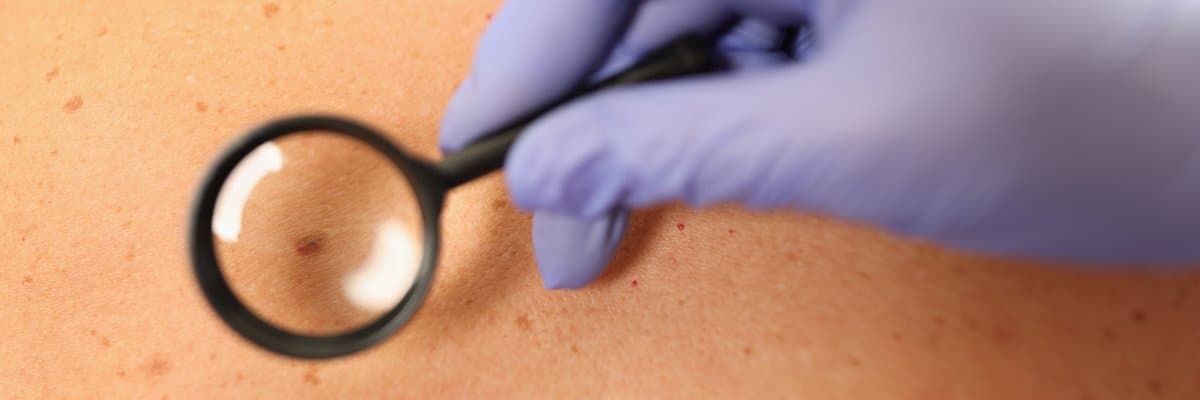
Chẩn đoán lentigo maligna và melanoma lentigo maligna yêu cầu sự kết hợp giữa khám lâm sàng và phân tích mô bệnh học. Dermoscopy, một kỹ thuật sử dụng một dụng cụ phóng đại đặc biệt để kiểm tra các cấu trúc da không nhìn thấy bằng mắt thường, có thể tiết lộ các mẫu đặc trưng như lỗ chân lông có sắc tố không đối xứng, cấu trúc vòng hạt, và cấu trúc hình thoi. Một cuộc sinh thiết là cần thiết để chẩn đoán chính xác, và sinh thiết cắt hoặc sinh thiết cạo rộng được ưa chuộng để đảm bảo lấy mẫu mô đầy đủ. Bác sĩ bệnh lý đánh giá mẫu sinh thiết để xác định xem các tế bào hắc tố có bị giới hạn trong biểu bì hay đã xâm lấn vào trung bì.
Các Phương Pháp Điều Trị
Cắt bỏ phẫu thuật là phương pháp điều trị tiêu chuẩn vàng cho cả lentigo maligna và melanoma lentigo maligna. Đối với bệnh in situ, thường được khuyến nghị cắt bỏ rộng với các biên độ từ 5 đến 10 milimét, mặc dù việc đạt được các biên độ rõ ràng có thể gặp khó khăn do các đường viền không rõ ràng thường thấy ở những tổn thương này. Phẫu thuật Mohs hoặc các kỹ thuật cắt theo giai đoạn ngày càng được sử dụng, đặc biệt cho các tổn thương trên mặt nơi việc bảo tồn mô là quan trọng. Đối với melanoma lentigo maligna xâm lấn, các biên độ cắt được xác định bởi độ dày Breslow của khối u, và sinh thiết hạch bạch huyết sentinel có thể được khuyến nghị cho các khối u sâu hơn.
Tiên Lượng và Tỷ Lệ Sống
Tiên lượng cho u ác tính lentigo maligna phụ thuộc rất nhiều vào giai đoạn mà nó được chẩn đoán. Khi được phát hiện ở giai đoạn in situ, tỷ lệ chữa trị với phẫu thuật cắt bỏ thích hợp là xuất sắc, gần như đạt 100 phần trăm.!! Đối với u ác tính lentigo maligna xâm lấn, tiên lượng thường tương đương với các phân loại u ác tính khác có độ dày và giai đoạn tương tự, với các khối u mỏng có tiên lượng tốt hơn đáng kể.
Tỷ lệ sống sót sau năm năm cho các u ác tính lentigo maligna mỏng là rất cao. Tuy nhiên, tỷ lệ tái phát tại chỗ có thể cao hơn so với các phân loại u ác tính khác do khó khăn trong việc đạt được các rìa phẫu thuật rõ ràng trên làn da bị tổn thương do ánh nắng mặt trời mãn tính.

Theo dõi và Phát hiện Sớm
Với bản chất phát triển chậm của lentigo maligna, việc theo dõi thường xuyên mang lại cơ hội tuyệt vời cho việc phát hiện sớm trước khi xâm lấn xảy ra. Bất kỳ ai có tiền sử tiếp xúc với ánh nắng mặt trời đáng kể, đặc biệt là người lớn tuổi có làn da sáng, nên thực hiện các cuộc tự kiểm tra thường xuyên, chú ý đến bất kỳ vết bẩn phẳng, có sắc tố không đều nào trên làn da tiếp xúc với ánh nắng. Các cuộc kiểm tra da chuyên nghiệp với dermoscopy đặc biệt có giá trị trong việc phát hiện những thay đổi tinh vi mà có thể không rõ ràng với mắt không được đào tạo. Skinscanner có thể là một công cụ quý giá để theo dõi các tổn thương có sắc tố theo thời gian, giúp bạn ghi lại những thay đổi về kích thước, hình dạng hoặc màu sắc mà nên thúc đẩy bạn đến gặp bác sĩ da liễu.