

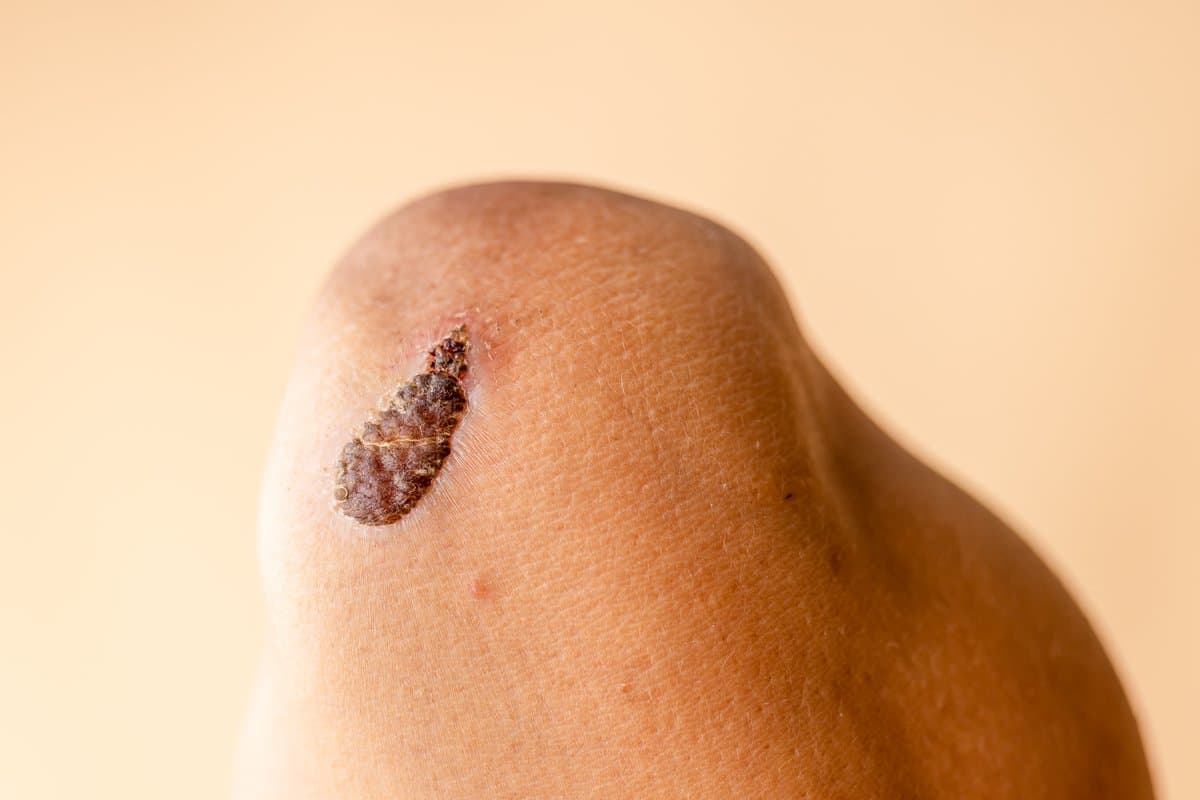
What Keloids Are and Why They Develop
A keloid is a type of raised scar that extends beyond the boundaries of the original wound, caused by an overproduction of collagen during the healing process. Unlike normal scars that eventually flatten and fade, keloids continue to grow and thicken over time, sometimes becoming significantly larger than the injury that triggered them. They can develop after any type of skin trauma including surgical incisions, acne, piercings, burns, insect bites, and even minor scratches.
In some cases, keloids form spontaneously without any identifiable trigger. Keloids are firm, rubbery, and raised, with a smooth, shiny surface that may be pink, red, brown, or darker than the surrounding skin depending on skin tone. They can be itchy, tender, or painful, and some people experience a burning or prickling sensation.
Common locations include the earlobes, shoulders, upper chest, upper back, and jawline, though they can develop anywhere on the body. Keloids are significantly more common in people with darker skin tones, with the highest prevalence in people of African, Asian, and Hispanic descent, suggesting a strong genetic component to the excessive healing response.!! The exact mechanism behind keloid formation involves an imbalance in wound healing where fibroblasts produce excessive amounts of collagen and extracellular matrix proteins without the normal signals to stop.
Growth factors, genetic predisposition, and altered immune responses all play a role. A family history of keloids is one of the strongest predictors that you may develop them. Keloids differ from hypertrophic scars, which also appear raised but remain within the borders of the original wound and often improve over time without treatment.
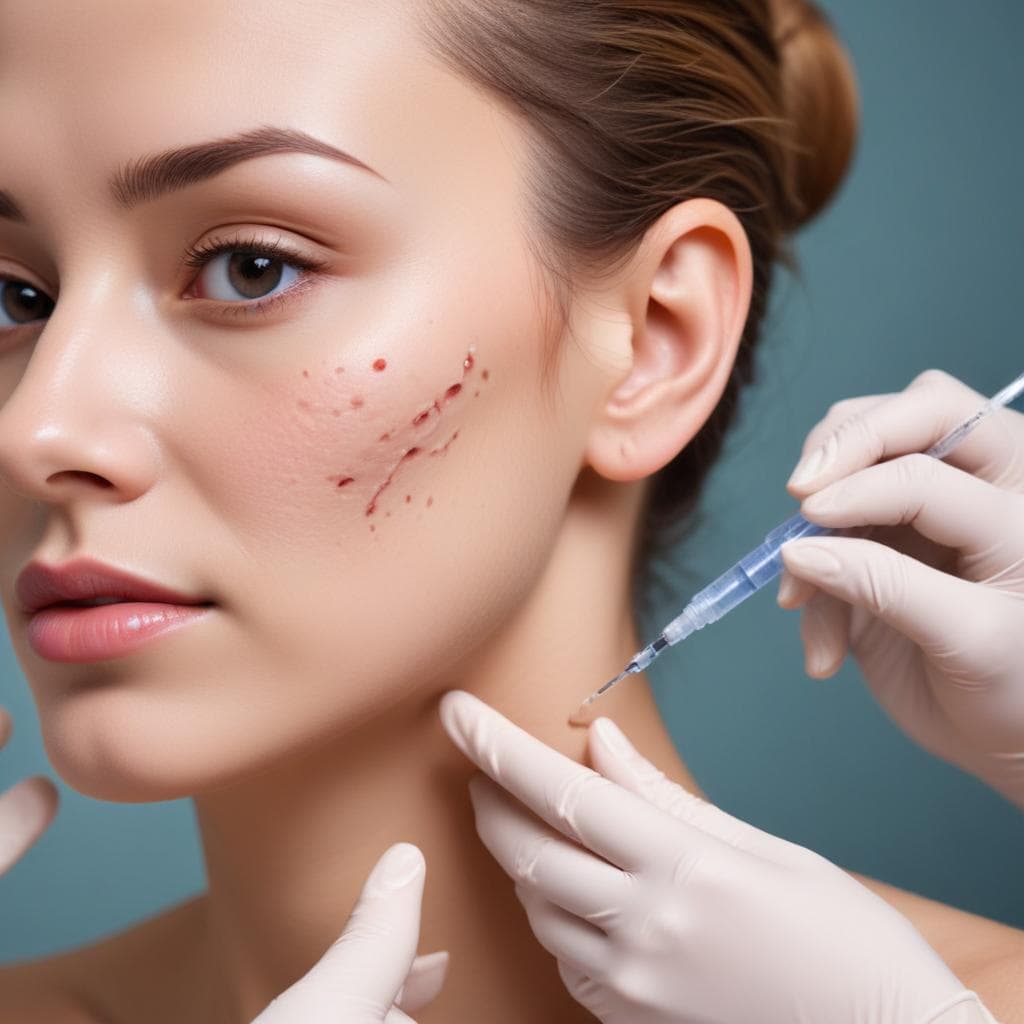
Treatment Options and Prevention Strategies
Treating keloids is challenging because no single treatment works for everyone, and keloids have a high recurrence rate after removal. A multimodal approach combining several treatments typically produces the best outcomes. Corticosteroid injections are the most commonly used first-line treatment, where triamcinolone acetonide is injected directly into the keloid every four to six weeks.
This reduces collagen production, softens the scar, and can flatten and shrink the keloid over several sessions. Silicone-based treatments, available as sheets or gel, are another evidence-based option that work by hydrating the scar and creating an occlusive environment that modulates collagen production. They are most effective when used consistently for at least three months.
For larger or resistant keloids, surgical excision combined with adjunctive therapy offers the best results. Surgery alone has a recurrence rate of 50 to 80 percent, but when combined with immediate steroid injections, radiation therapy, or pressure therapy, recurrence drops significantly. Cryotherapy, which freezes the keloid tissue, can be effective for smaller keloids and is sometimes combined with steroid injections.
Prevention is far more effective than treatment for keloid-prone individuals: avoid unnecessary piercings, elective surgeries, and skin trauma whenever possible, and use silicone sheets or gel immediately on any new wound to reduce keloid risk.!! Laser therapy using pulsed dye lasers can reduce redness and itching, while fractional lasers may help soften keloid tissue. Pressure earrings are specifically designed for keloid prevention after earlobe surgery. Skinscanner helps you photograph and track keloid progression over time, documenting size changes and treatment response so you have an objective record for consultations with your dermatologist.
