What Is Kaposi Sarcoma?
Kaposi sarcoma (KS) is a cancer that develops from the cells lining blood vessels and lymphatic vessels, leading to distinctive lesions on the skin and sometimes internal organs. It is caused by infection with human herpesvirus 8 (HHV-8), also known as Kaposi sarcoma-associated herpesvirus. Unlike many cancers, KS is unique in that its development is closely tied to the state of the immune system. The condition gained widespread attention in the 1980s as one of the first recognized manifestations of AIDS, but it exists in several forms that affect different populations.
The Four Types of Kaposi Sarcoma
Classic Kaposi sarcoma occurs primarily in older men of Mediterranean, Eastern European, or Middle Eastern descent and tends to progress slowly with lesions mainly on the legs. Endemic or African Kaposi sarcoma occurs in parts of Sub-Saharan Africa independently of HIV infection and can affect younger individuals, sometimes with aggressive lymph node involvement. Iatrogenic or transplant-associated Kaposi sarcoma develops in people taking immunosuppressive medications, particularly organ transplant recipients, and may improve if immunosuppression can be reduced. AIDS-associated Kaposi sarcoma, historically the most common and aggressive form, occurs in people with HIV whose immune systems are severely compromised, though its incidence has decreased dramatically with the advent of effective antiretroviral therapy.
Appearance and Symptoms
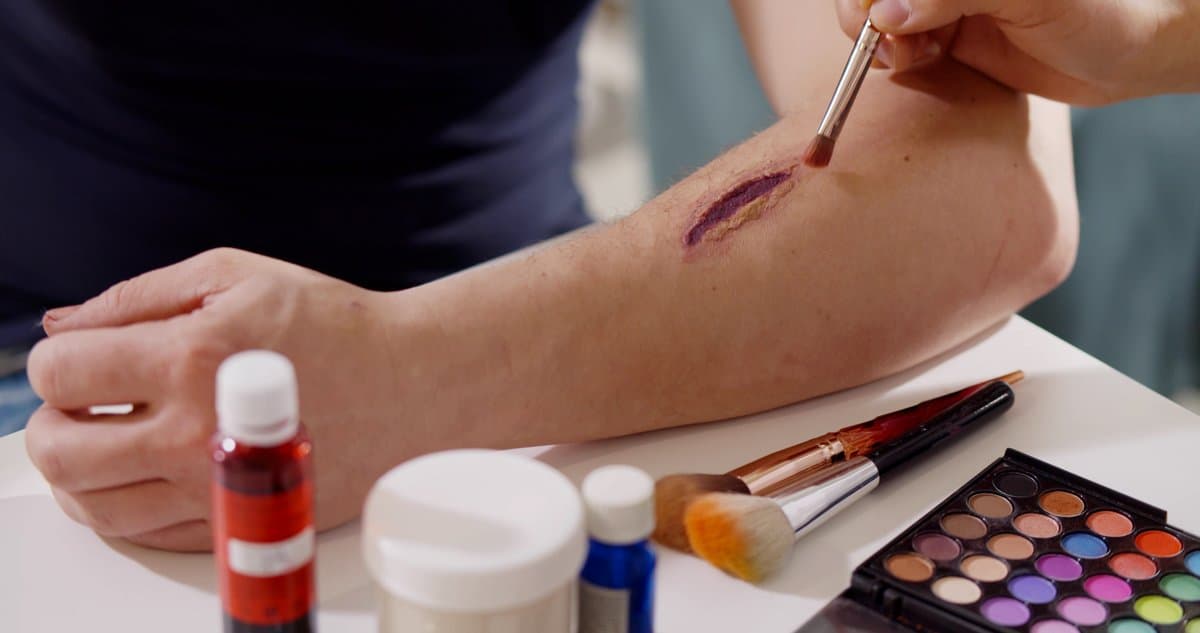
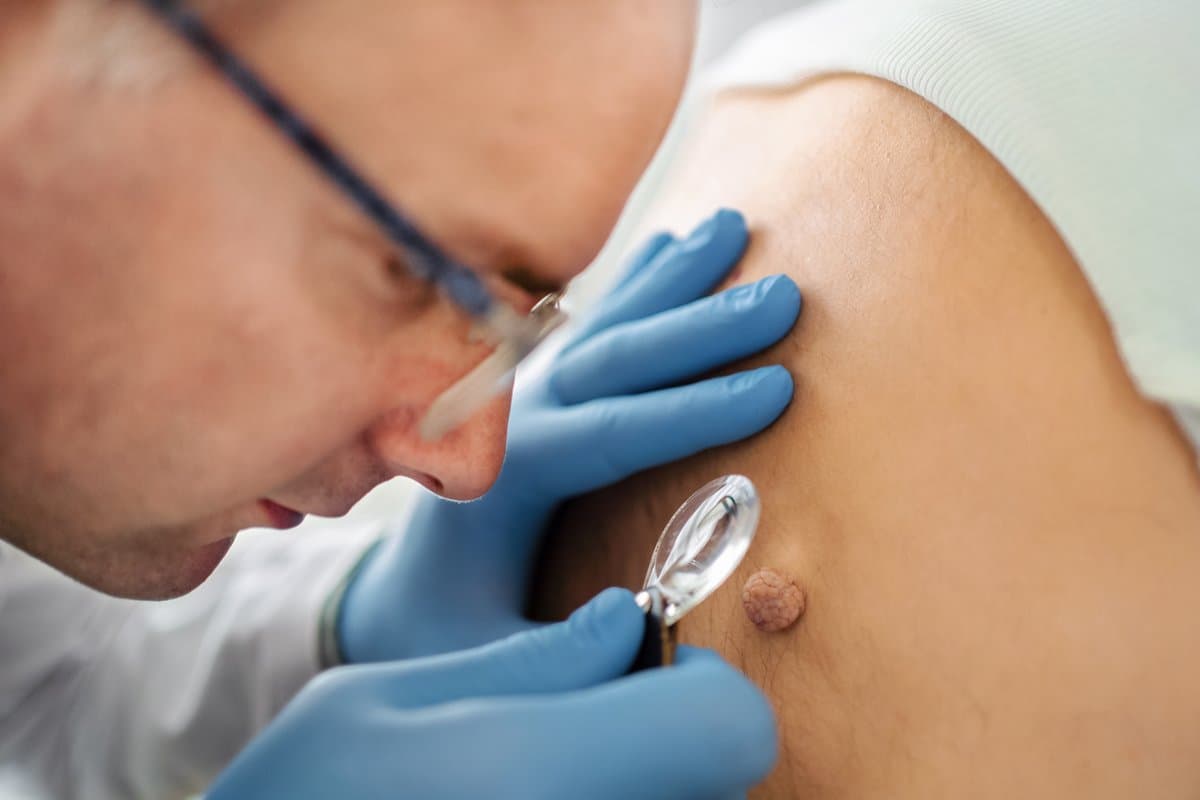
Kaposi sarcoma lesions typically appear as flat or slightly raised patches, plaques, or nodules on the skin that are red, purple, or brown in color. The lesions are usually painless and may appear on the legs, face, genitals, or inside the mouth. In darker skin tones, the lesions may appear dark brown or black rather than the classic purple hue. When KS involves internal organs such as the lungs, liver, or gastrointestinal tract, it can cause symptoms like breathing difficulties, bleeding, or abdominal discomfort, which can be life-threatening.!!
Diagnosis
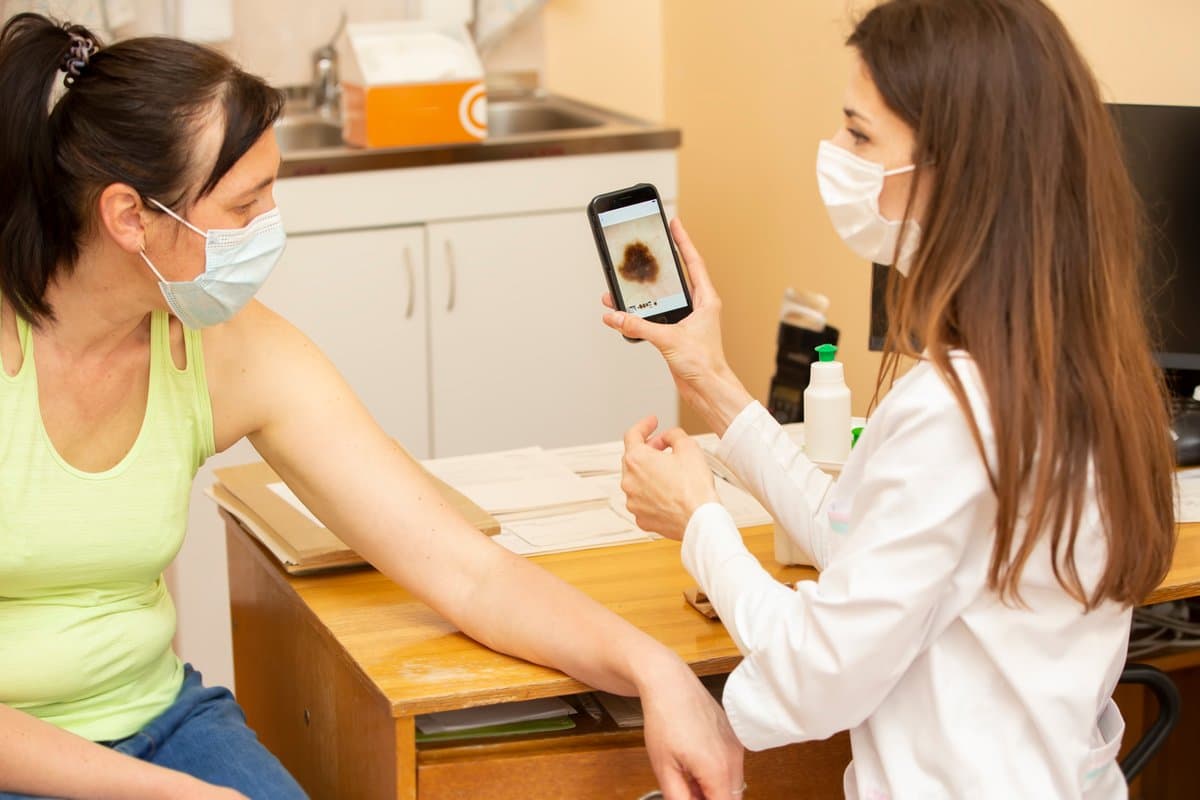
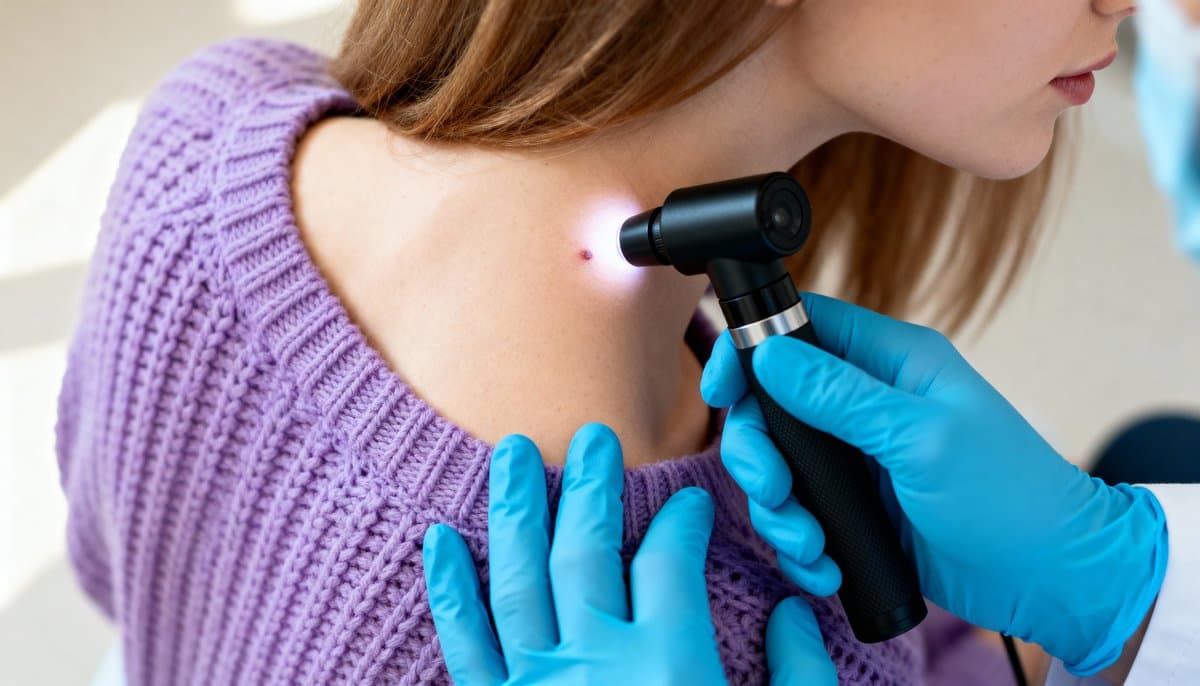
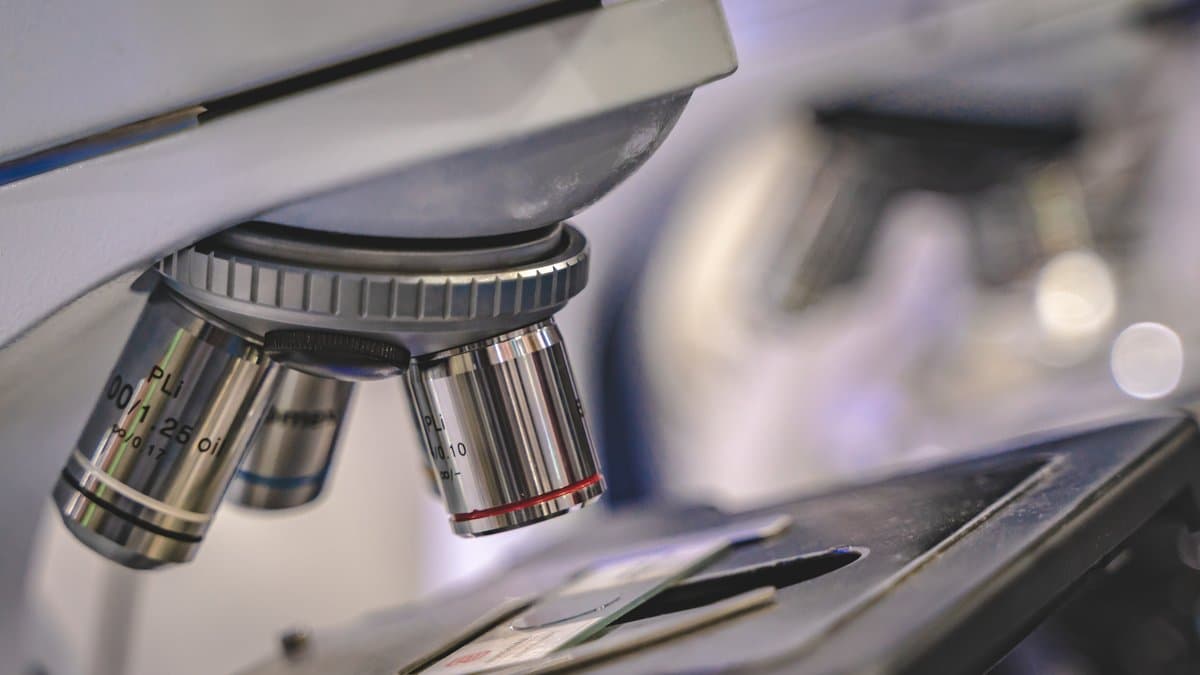
Diagnosing Kaposi sarcoma begins with a thorough physical examination and a review of the patient's medical history, including HIV status and any immunosuppressive medications. A skin biopsy of a suspicious lesion is essential for definitive diagnosis, as the characteristic spindle-shaped cells and abnormal blood vessel formation confirm the condition under microscopic examination. Testing for HHV-8 can support the diagnosis, and HIV testing is recommended for anyone presenting with KS. If internal involvement is suspected, imaging studies such as CT scans and endoscopy may be performed to assess the extent of the disease.
Treatment Approaches
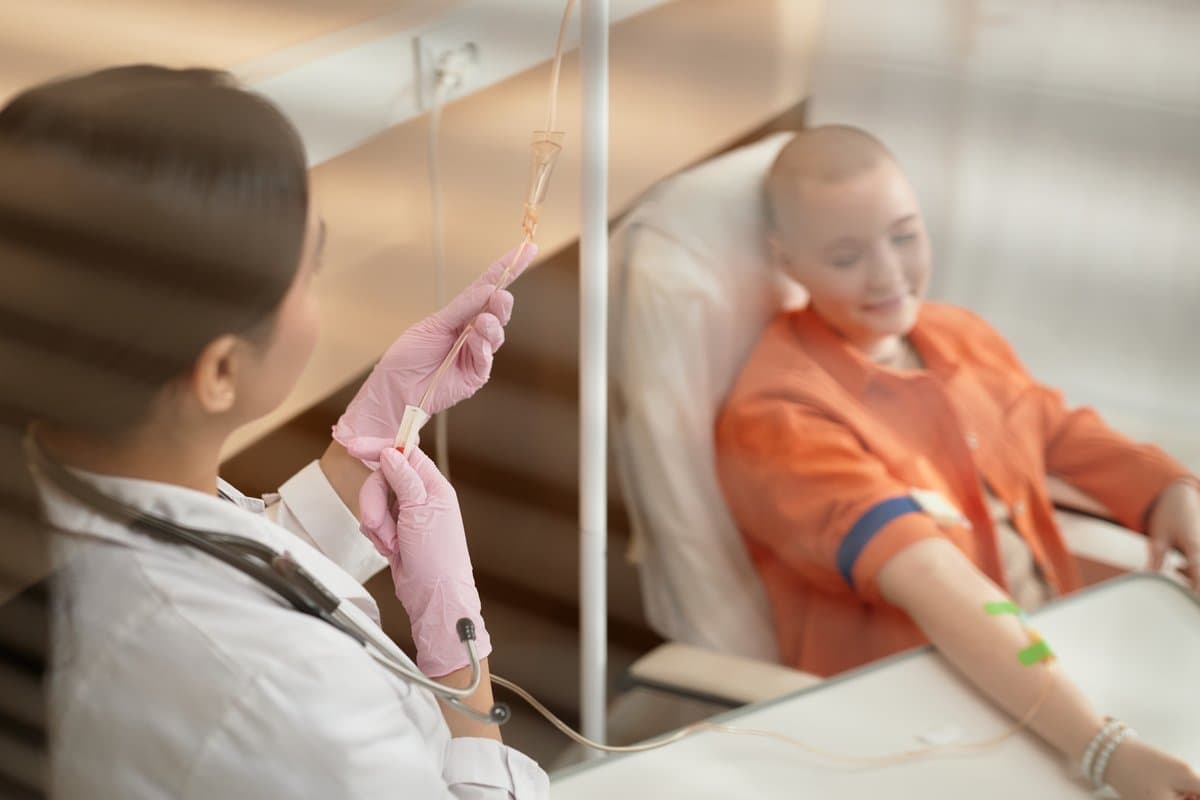
Treatment for Kaposi sarcoma depends on the type, extent of the disease, and the patient's immune status. For AIDS-associated KS, initiating or optimizing antiretroviral therapy is the most important first step, as restoring immune function can lead to significant improvement or even complete remission. Localized skin lesions may be treated with radiation therapy, cryotherapy, topical retinoids, or surgical excision. For more widespread or organ-involving disease, systemic chemotherapy with agents like liposomal doxorubicin or paclitaxel is commonly used, and newer immunotherapy approaches are being investigated.
Prognosis and Outlook
The prognosis for Kaposi sarcoma varies considerably depending on the type and the patient's overall immune health. Classic KS typically follows an indolent course over many years and rarely threatens life. AIDS-associated KS, once a leading cause of death in people with HIV, now has a much better prognosis thanks to effective antiretroviral therapy, with many patients achieving complete remission.
Transplant-associated KS may resolve if immunosuppressive therapy can be safely reduced or modified. Early detection and appropriate management of immune status remain the most important factors influencing outcomes.

The Critical Link to Immune Status
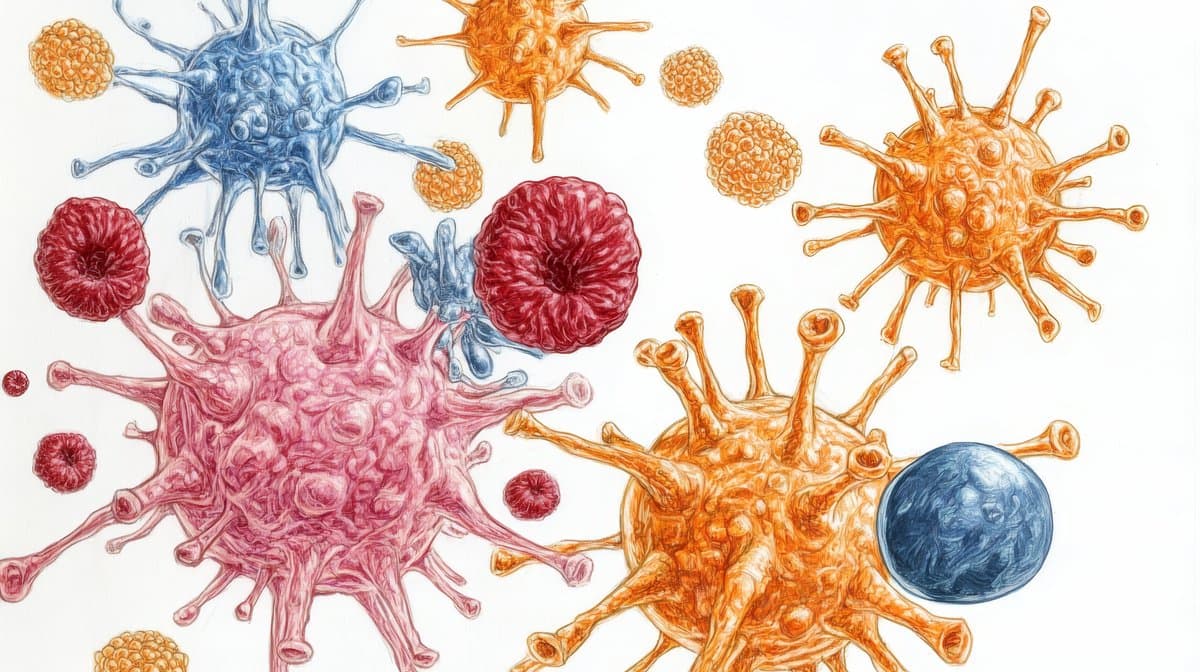
The development and progression of Kaposi sarcoma are intimately linked to the health of the immune system. While HHV-8 infection is necessary for KS to develop, a functioning immune system typically keeps the virus in check and prevents cancer formation. Immune suppression, whether from HIV, medications, or aging, allows HHV-8 to drive the formation of KS lesions.!! This is why restoring immune function through antiretroviral therapy or reducing immunosuppressive medications is often the most effective treatment strategy.
Monitoring Skin Changes
For individuals at risk of Kaposi sarcoma, regular skin monitoring is essential for early detection and timely intervention. New skin lesions that are persistently purple, red, or brown and do not resolve should be evaluated by a healthcare professional. Skinscanner can help you track skin changes over time, making it easier to notice new or evolving lesions that may require medical attention. While no digital tool can replace a professional diagnosis, consistent monitoring serves as a valuable first line of awareness that can lead to earlier treatment and better outcomes.