

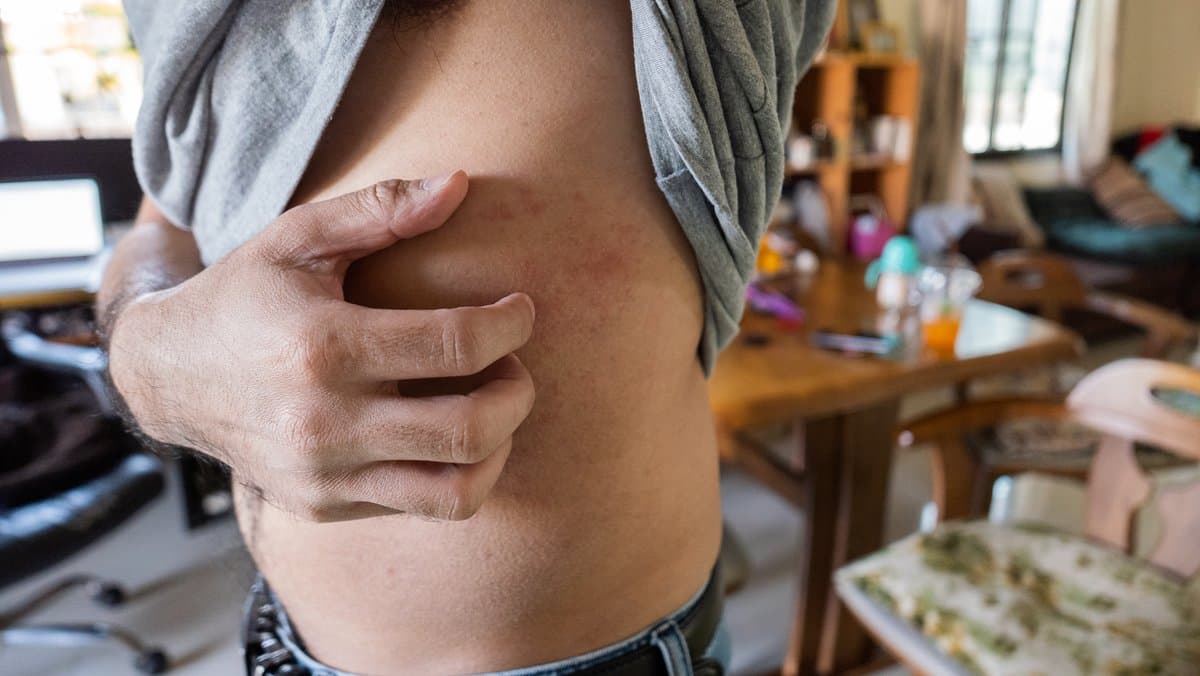
Contagious Rashes vs Non-Contagious Rashes
When a rash appears on your skin, one of the first questions most people ask is whether they can spread it to family, friends, or coworkers. The answer depends entirely on the cause of the rash, and the visual appearance alone does not always make the distinction obvious. Contagious rashes are caused by infectious agents including bacteria, viruses, fungi, and parasites.
Bacterial rashes like impetigo produce honey-colored crusted sores that spread easily through direct contact and shared items. Fungal infections including ringworm, athlete's foot, and jock itch are contagious through skin contact or contaminated surfaces. Viral rashes from conditions like chickenpox, shingles, measles, and molluscum contagiosum spread through respiratory droplets or direct contact with lesions.
Scabies, caused by a microscopic mite that burrows into the skin, spreads through prolonged skin-to-skin contact and causes intense itching, especially at night. Non-contagious rashes are far more common and include eczema, psoriasis, contact dermatitis, hives, rosacea, and most drug rashes. These conditions are driven by immune system dysfunction, allergic responses, or environmental triggers rather than infectious agents.
Eczema and psoriasis are two of the most commonly feared-to-be-contagious conditions, but they are entirely immune-mediated and pose absolutely zero risk of transmission to other people.!! Heat rash, seborrheic dermatitis, and pityriasis rosea are additional examples of rashes that can look alarming but cannot be passed to others. Autoimmune conditions like lupus can produce striking facial rashes that prompt concern from others, but these too are completely non-communicable.

How to Determine If Your Rash Could Spread
Several clues can help you assess whether a rash is likely contagious. Consider the context: did the rash appear after contact with someone who was visibly ill, or after touching an unfamiliar animal? Did it start after visiting a shared space like a gym locker room, swimming pool, or hotel?
Context suggesting exposure to a potential source makes contagion more likely. Examine the rash characteristics. Rashes with pus, oozing, or honey-colored crusting are more likely bacterial and contagious.
Blisters filled with clear fluid, particularly in clusters, suggest viral infections. Circular, expanding rings with scaly borders point to fungal infection. Tiny burrow tracks between the fingers, on the wrists, or around the waistline suggest scabies.
However, many contagious rashes lack these classic features, and some non-contagious conditions can mimic them closely. If your rash appeared after close contact with someone who had a similar rash, or if multiple people in your household develop the same symptoms within days or weeks of each other, the rash is very likely contagious and warrants medical evaluation.!! For practical purposes, until you know whether a rash is contagious, basic precautions are sensible.
Avoid sharing towels, bedding, and personal items. Wash your hands frequently, especially after touching the affected area. Cover the rash with clothing or a bandage when possible.
These measures protect others without requiring you to isolate unnecessarily. Skinscanner can help you identify your rash by comparing it against common patterns of both contagious and non-contagious conditions, giving you an informed starting point while you decide whether professional evaluation is needed.
